

Search

A concrete cantilevered building against blue sky and green landscaping

Museum gallery with art from China

A museum interior space with paintings and concrete walls and stairs

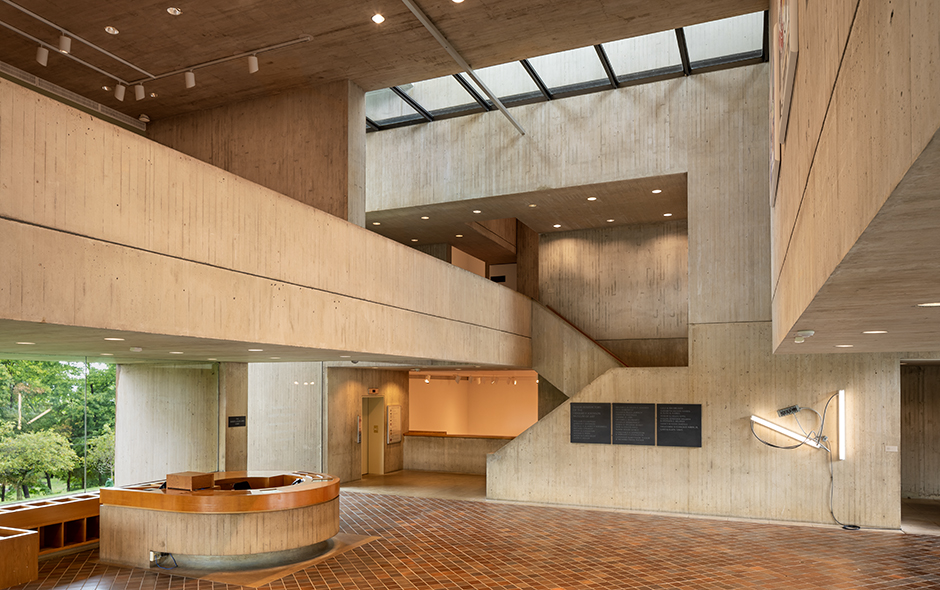
A concrete-walled lobby with windows, a tiled floor, and a circular desk

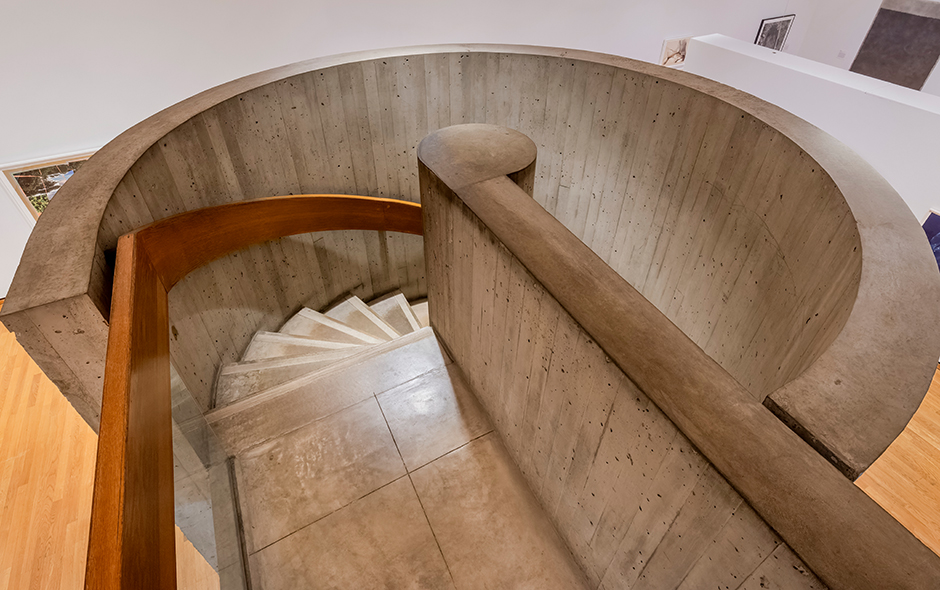
The top of a concrete spiral staircase with a wooden railing

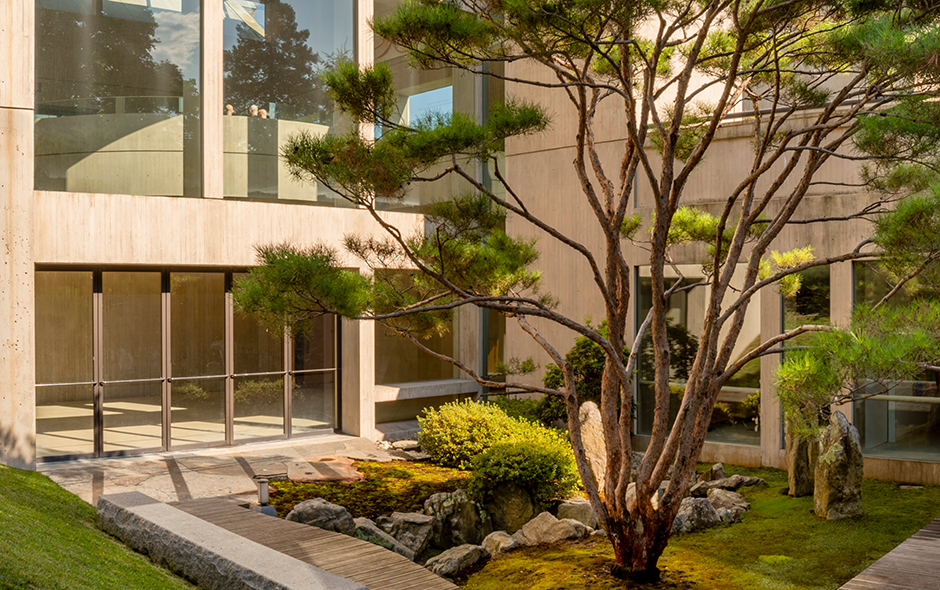
A tall tree is the focal point of a garden in between two concrete buildings

About arrow_back

Admission for everyone is always free! Check here for current hours and more.

A concrete cantilevered building against blue sky and green landscaping

Collections arrow_back

The Johnson Museum holds more than 40,000 works in its collection from around the world.

Museum gallery with art from China

Exhibitions arrow_back

Check out what’s on view this season at the Museum and look back through our history.

A museum interior space with paintings and concrete walls and stairs

Events arrow_back

Free events for everyone, plus special programs for students, families, and more!

A concrete-walled lobby with windows, a tiled floor, and a circular desk

Learn arrow_back

The Johnson Museum actively contributes to the intellectual life of our campus and community.

The top of a concrete spiral staircase with a wooden railing

Support arrow_back

Help the Johnson Museum continue its legacy by making a gift today.

A tall tree is the focal point of a garden in between two concrete buildings

Roman

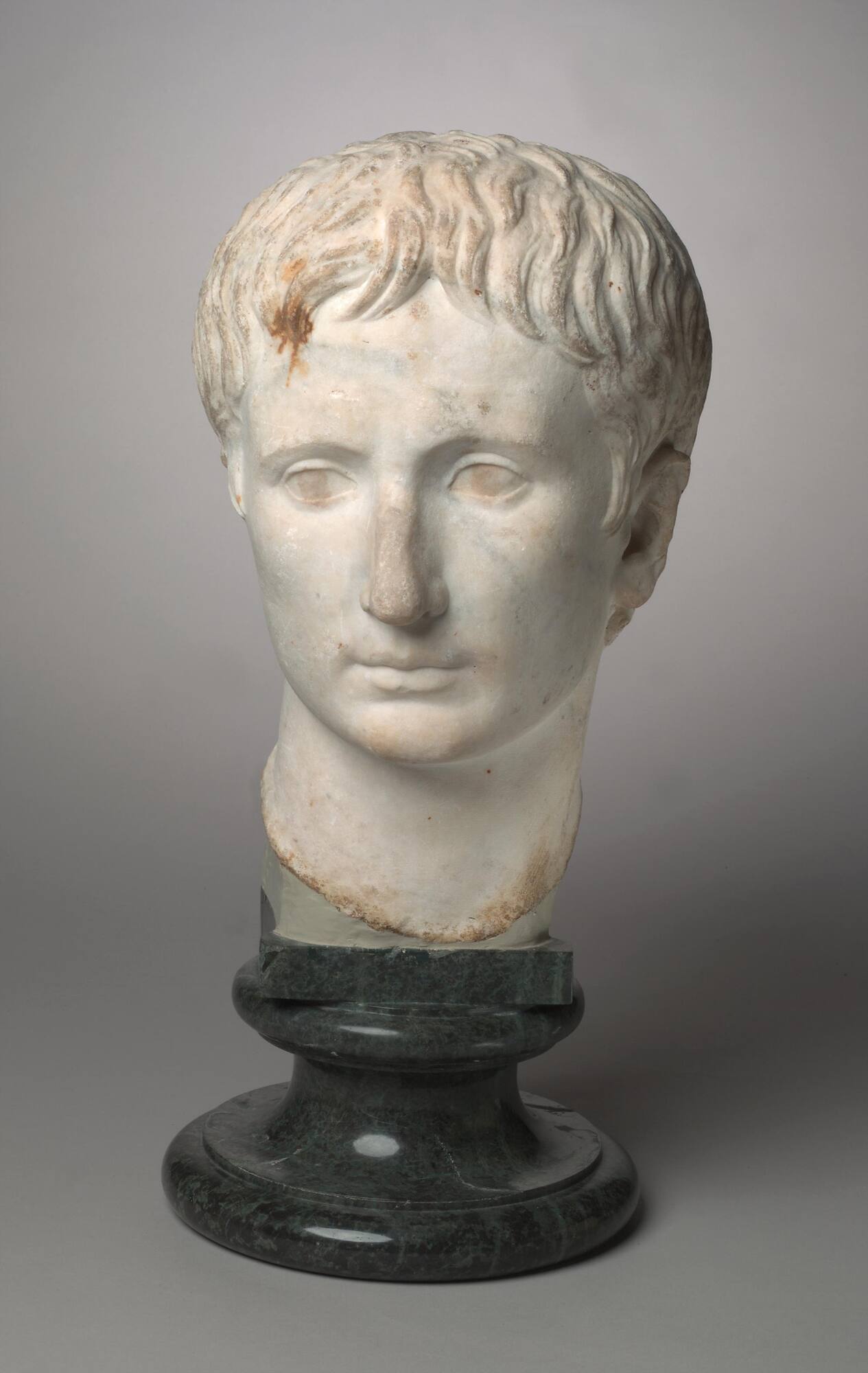
Head of Caesar Augustus

View All Works

Object Details

Culture

Roman

Date

ca. 1-50 A. D.

Medium

Marble with traces of polychrome

Dimensions

Height: 21 1/2 inches (54.6 cm)

Credit Line

Transfer from University Collections

Object
Number

68.277

Octavian Caesar, great-nephew to Julius Caesar (who was assassinated in 44 BCE), ruled Rome as its f(…)

Octavian Caesar, great-nephew to Julius Caesar (who was assassinated in 44 BCE), ruled Rome as its first emperor until his death in 14 CE, bringing stability and prosperity through innovative leadership and sharing of power with the Roman senate.

Born nine years after Augustus’s death, Pliny accordingly grew up in a world permeated by his legacy and likeness, and the Natural History is riddled with mentions of him. But Pliny also evenhandedly relates the hardships and setbacks Augustus endured, and even sneers at marital infidelities within the imperial family. About Augustus’s idiosyncrasies, Pliny remarks that “Rome is the only place in the whole world where there is a temple to a comet” which Augustus established after a “hairy star” (sidus crinitum) auspiciously appeared during the games for Venus Genetrix (2.93).

Portraits of Augustus were many and new ones were even made long after his death. This portrait is an example of the later, “Augustan” type, which derives its more idealized features from earlier Greek sculpture. Like all Roman marble sculpture, the portrait was originally painted to make it appear more lifelike. Vestiges of this color still remain in the eyes.

(Andrew C. Weislogel, “Wonder and Wakefulness: The Nature of Pliny the Elder,” exhibition organized by the Herbert F. Johnson Museum of Art, curated by Andrew C. Weislogel and Verity J. Platt, presented at the Johnson Museum January 21–June 11, 2023)
Create an account

Please take a moment to fill your information to create your account.

Reset Password

Lost your password? Please enter your email address. You will receive mail with link to set new password.

Save Artwork

Save the artwork in any of your exhibitions or create a new one.

You have not made any exhibitions.

Create New Exhibition

Create New Exhibition