


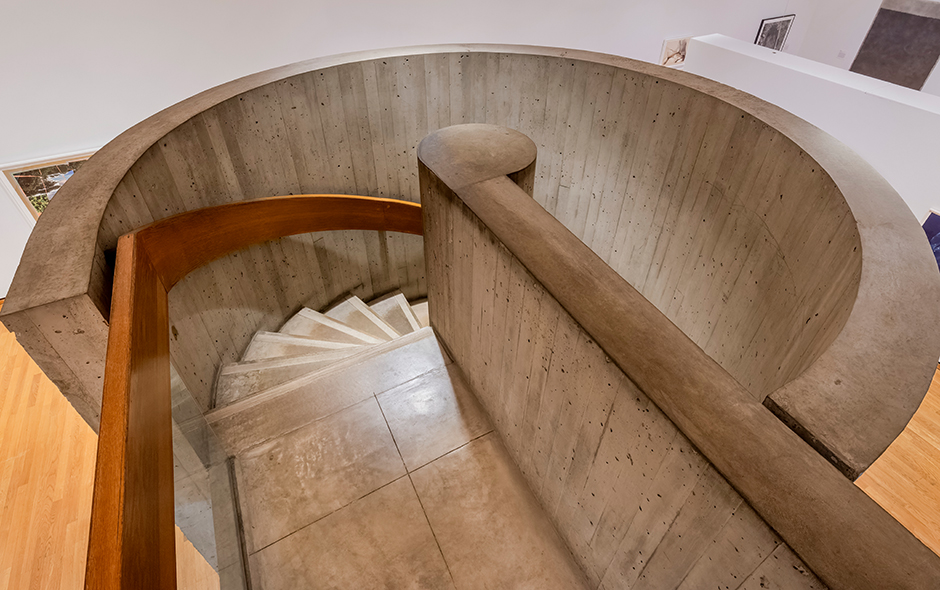

Homepage
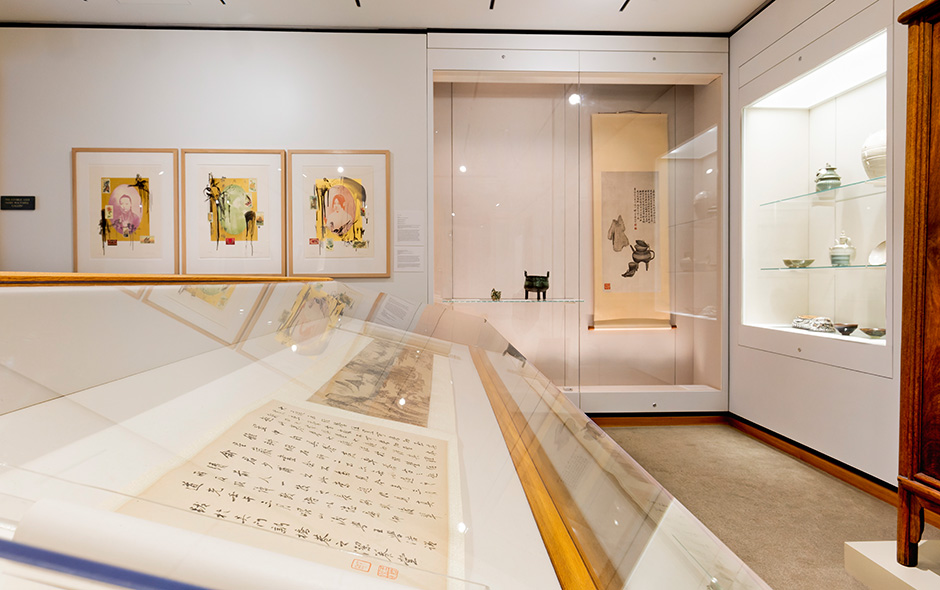
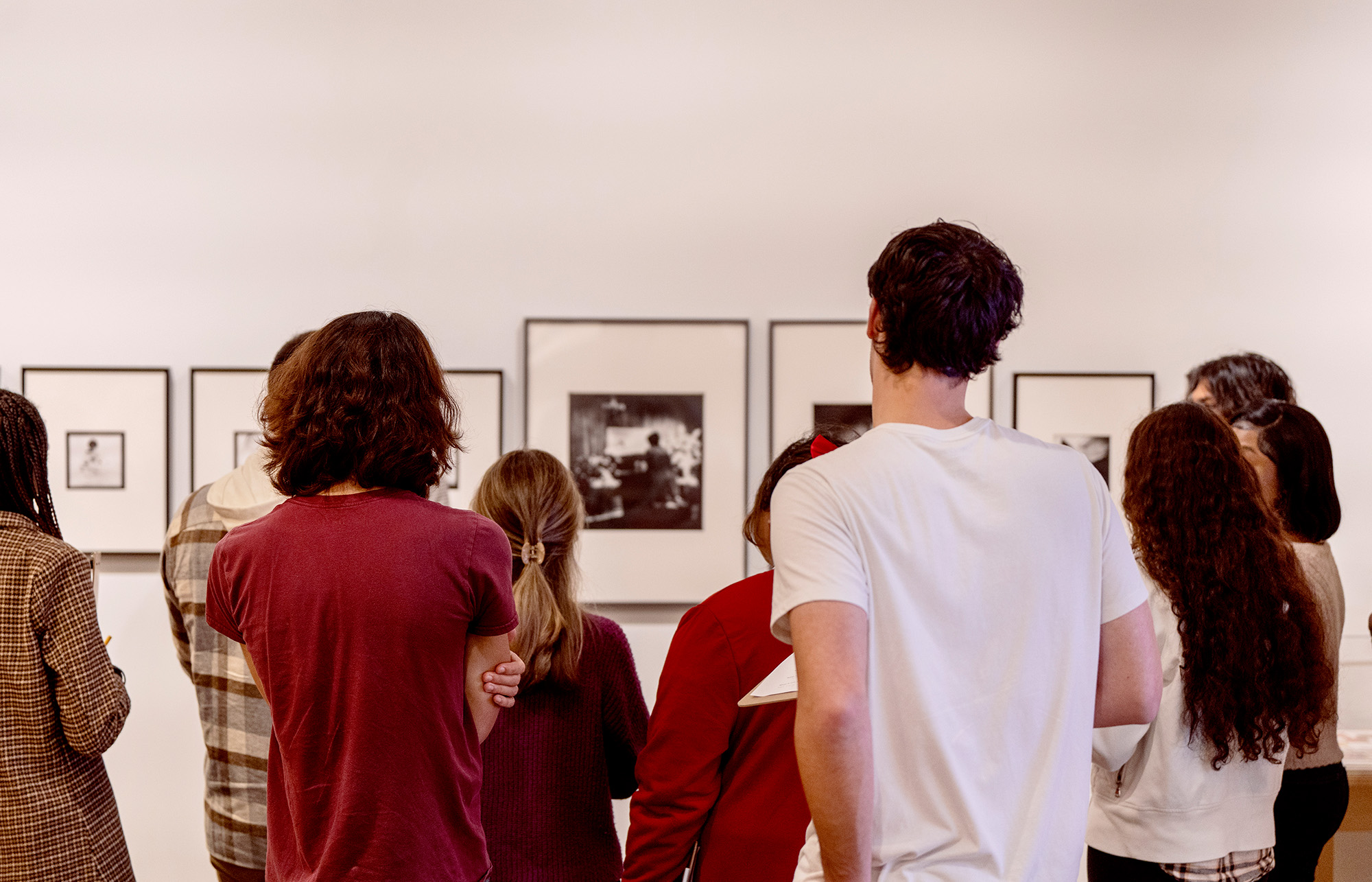
Connect Your Class with the Museum
We help design and lead class sessions in our permanent collection galleries and classrooms
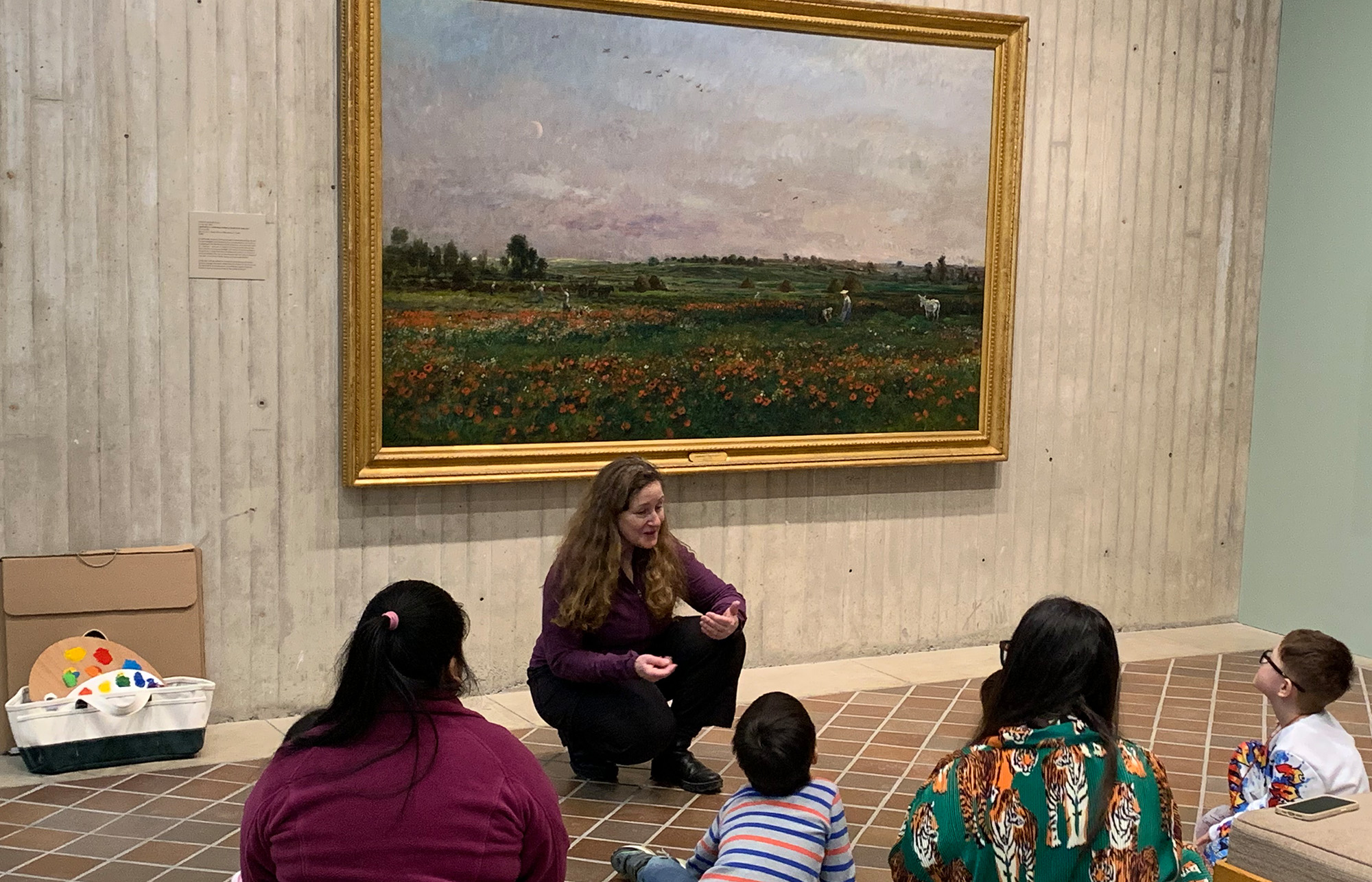
A World of Art for All Ages
Teach with us at the Museum, in your classroom, or at home
For Art, For All
Your support enables exciting exhibitions, engaging educational programs, and free admission
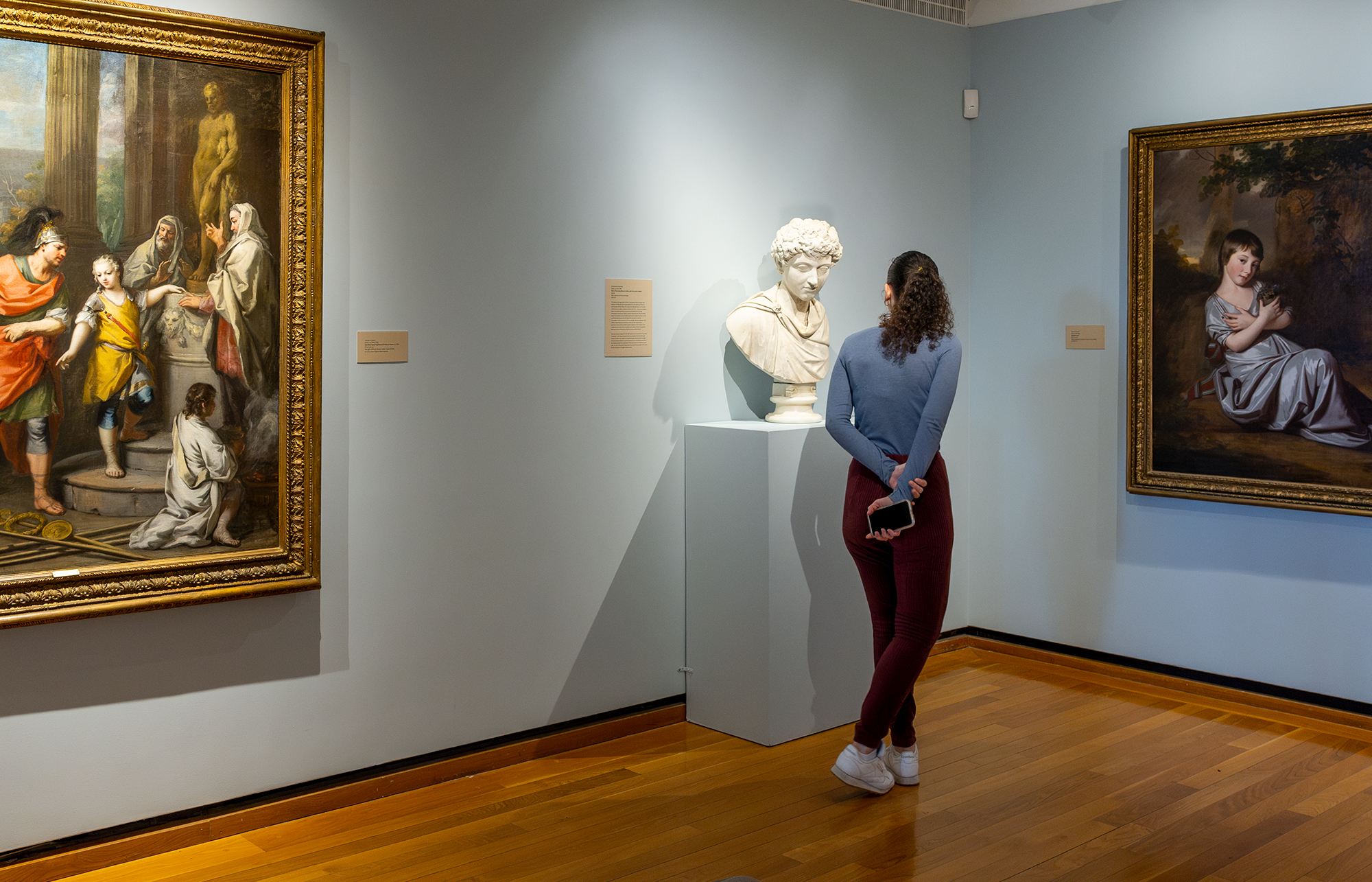
Exhibitions
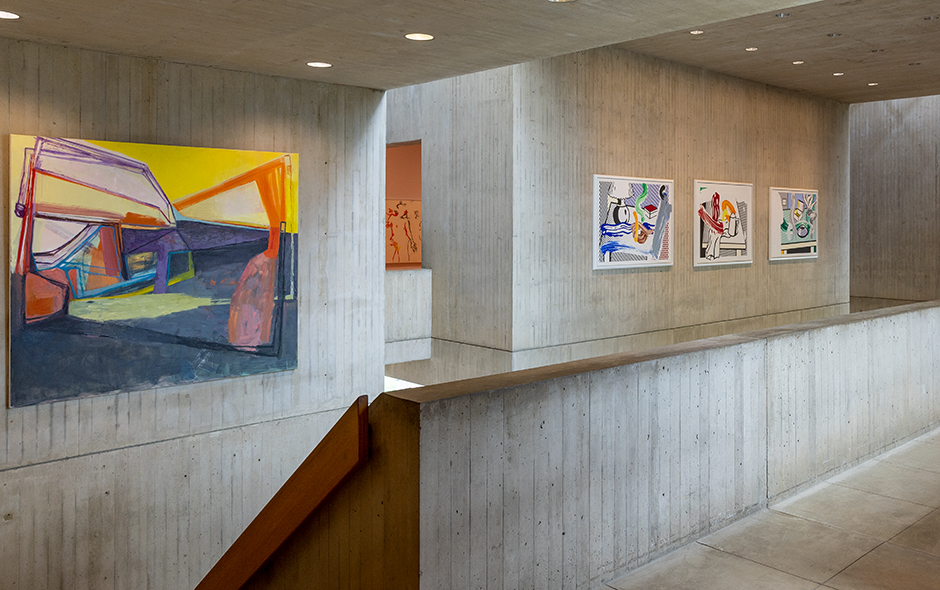
Contemporary Peruvian art, American photography, and a seminal short film by Ana Mendieta are on view this fall.
Sep 12, 2026–Dec 20, 2026

Anastasia Samoylova: Atlantic Coast
Anastasia Samoylova embarks on a photographic journey from Florida to Maine, inspired by Berenice Abbott’s 1954 project documenting US Route 1.
Aug 28, 2026–Feb 7, 2027
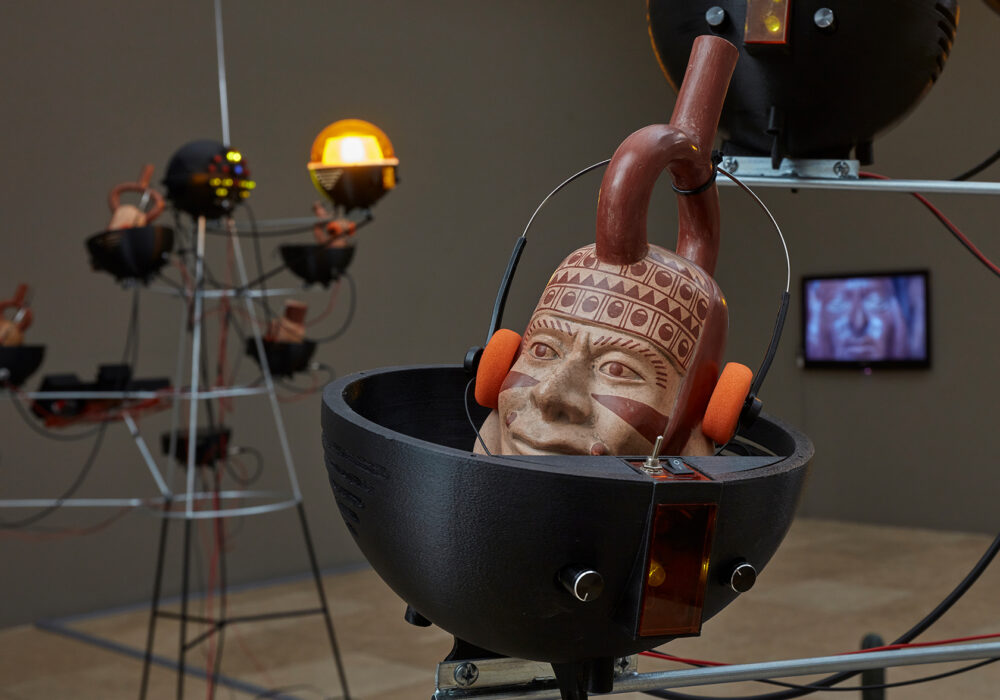
Fernando “Huanchaco” Gutiérrez: Checán Stereo
Peruvian artist Fernando “Huanchaco” Gutierrez reconnects past and present to explore the complexities of displaying ancient art.
Jul 18, 2026–Dec 6, 2026
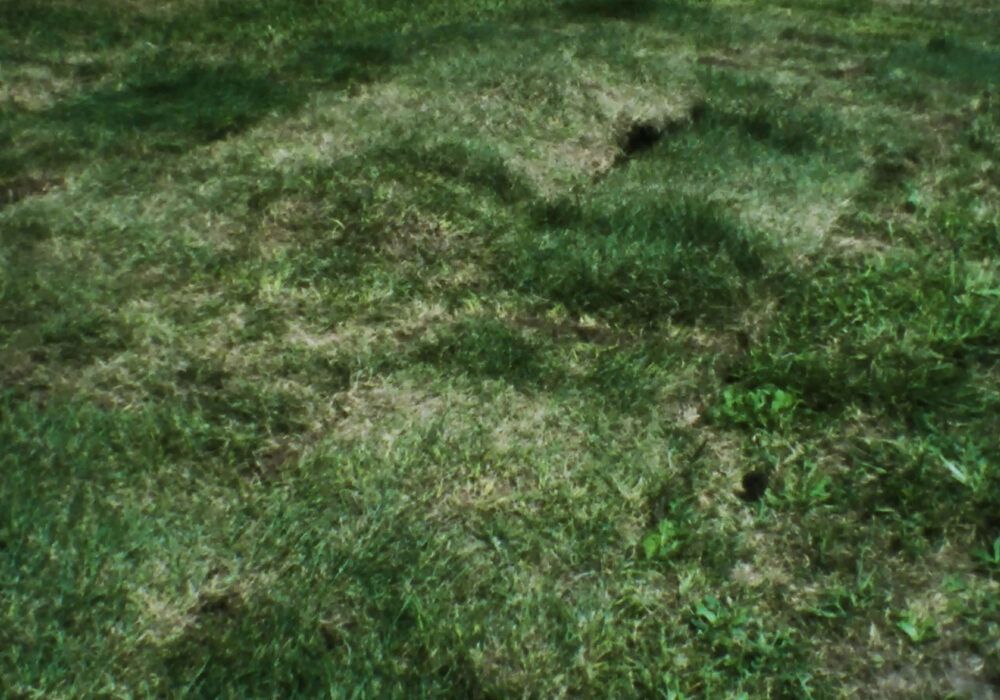
Ana Mendieta: Grass Breathing
This seminal 1974 short film exemplifies the artist’s pioneering exploration of body, land, and identity.
Upcoming
Events
Check here for artist talks and lectures, family programs, student workshops, and more events all year long, free and open to everyone.
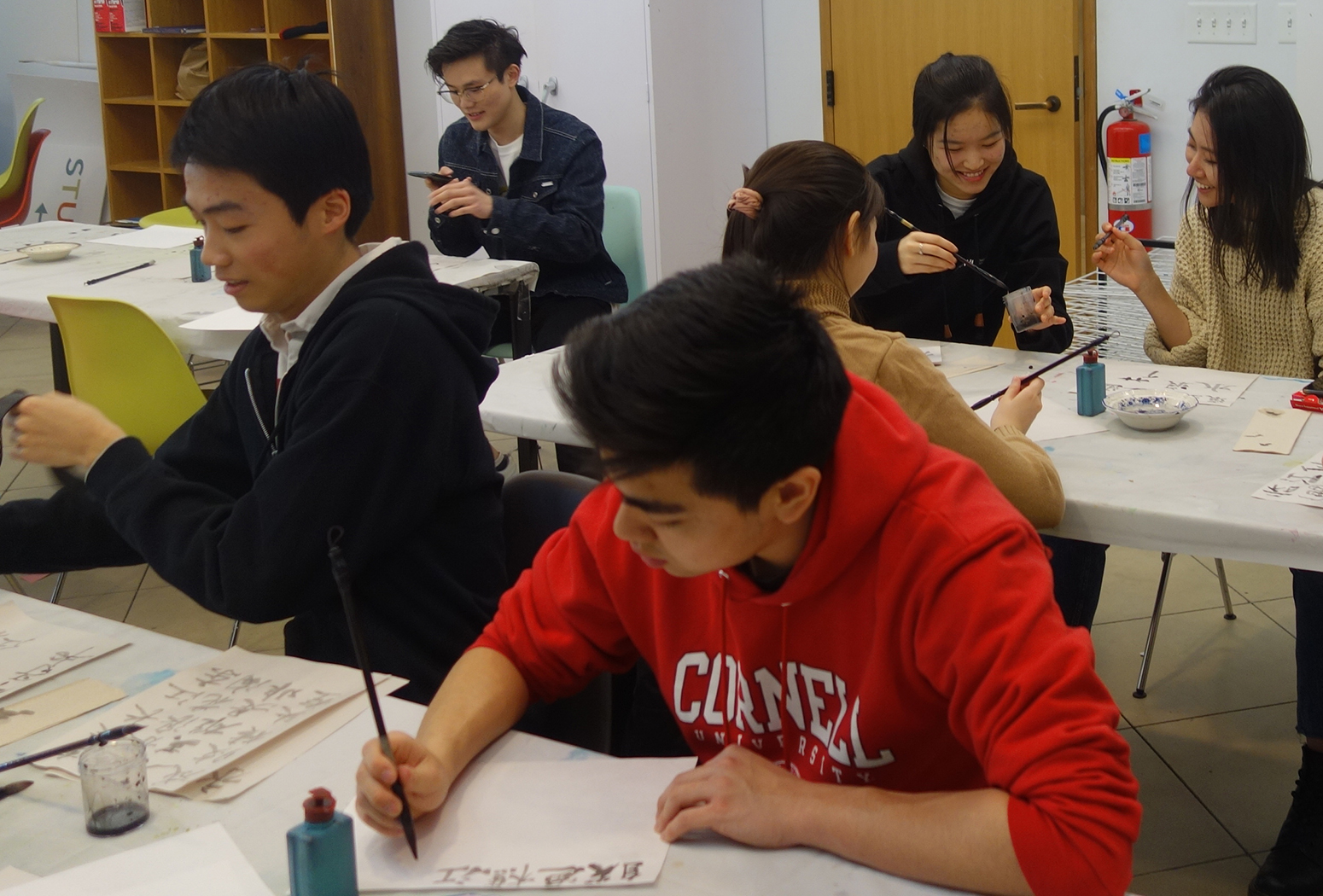
Learn with Us
Engage with our educational resources for Cornell, Ithaca, and the region.
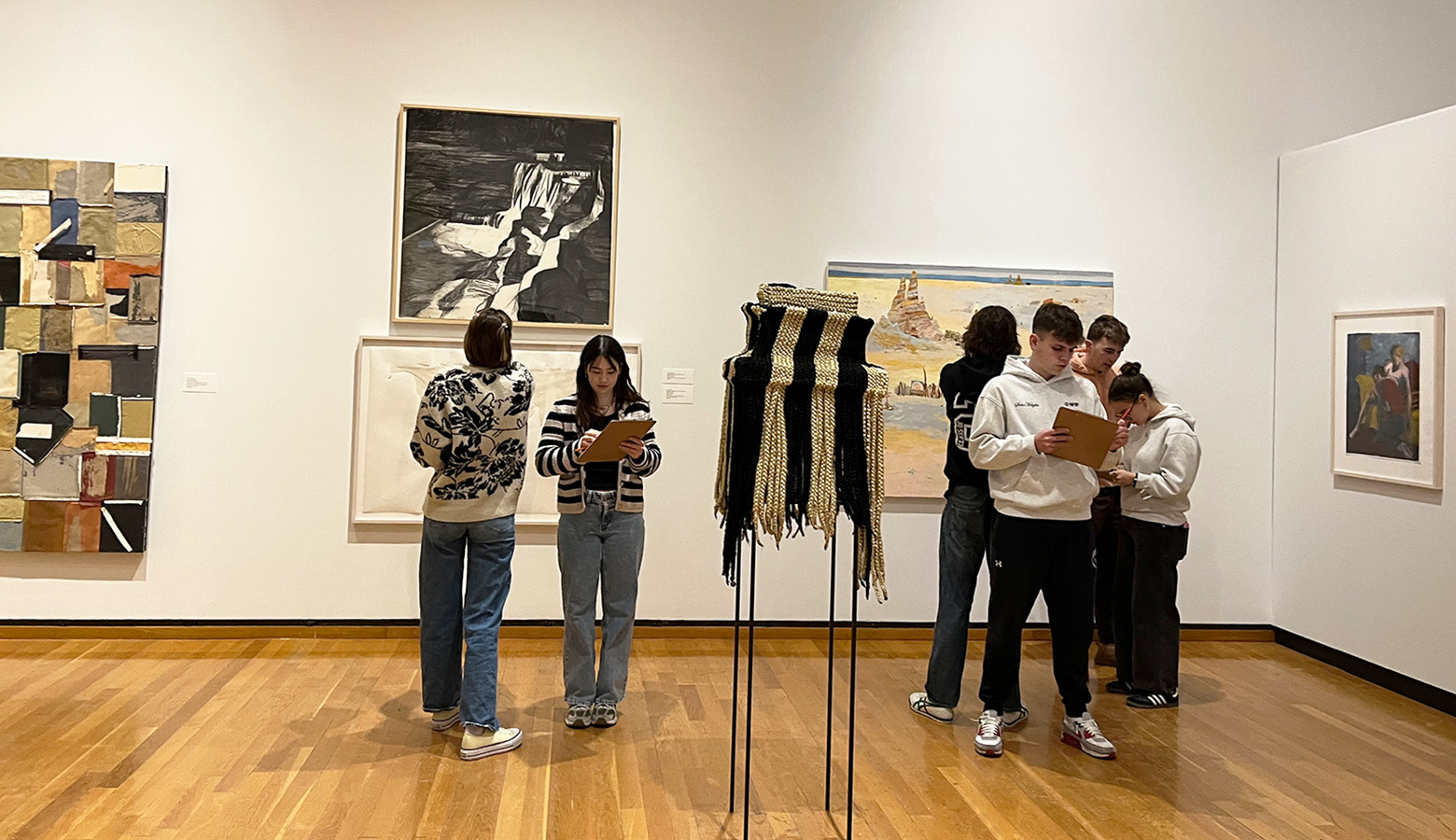
Plan Your Class
The Johnson Museum of Art hosts hundreds of Cornell class sessions from more than 50 departments and programs every academic year.
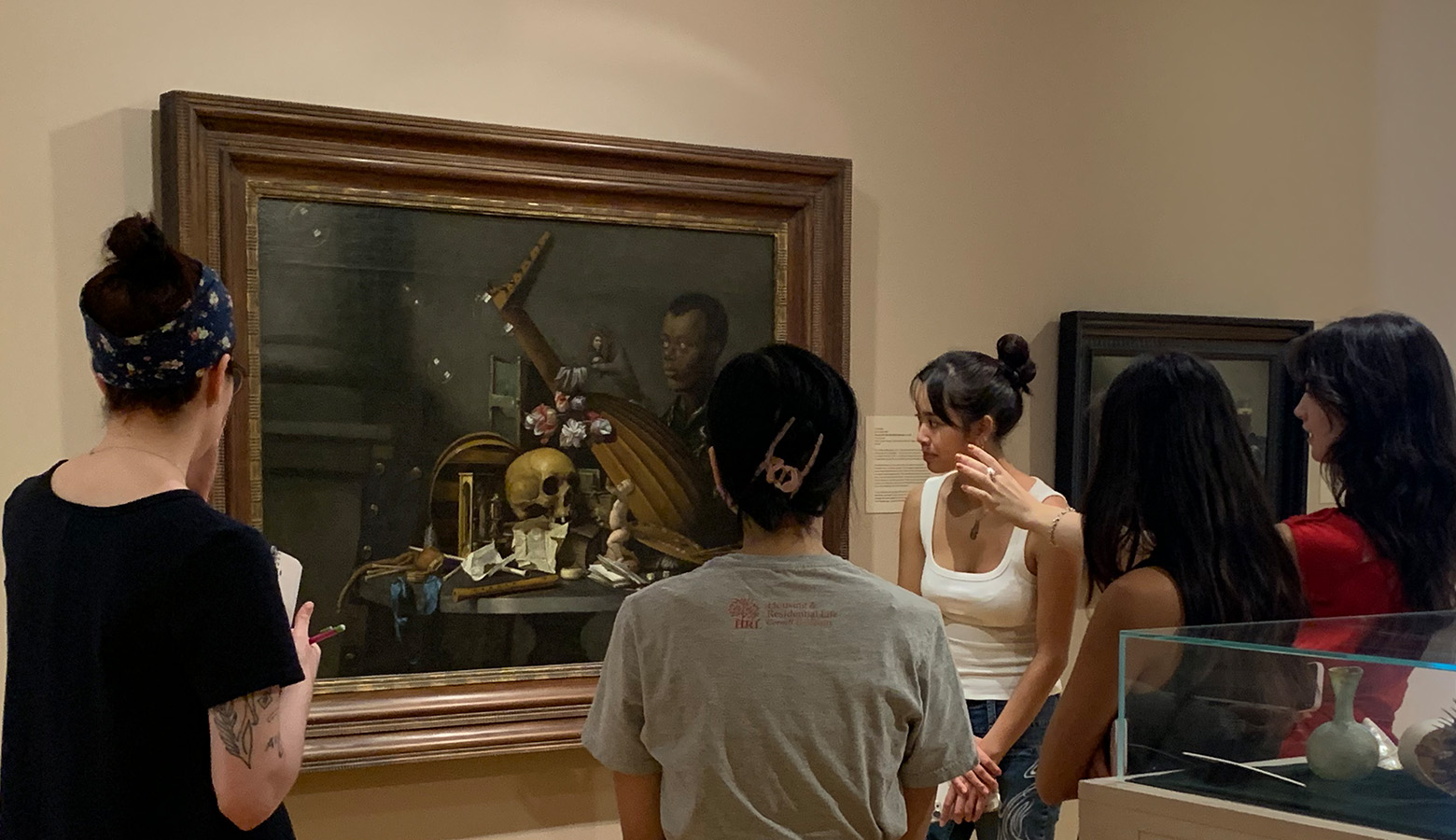
Student Resources
Learn more about Museum internship opportunities, tours and workshops available for student groups, and more information for our student audience.
Johnson Kids
Visit this special spot for projects and inspiration that families can share together throughout the year.
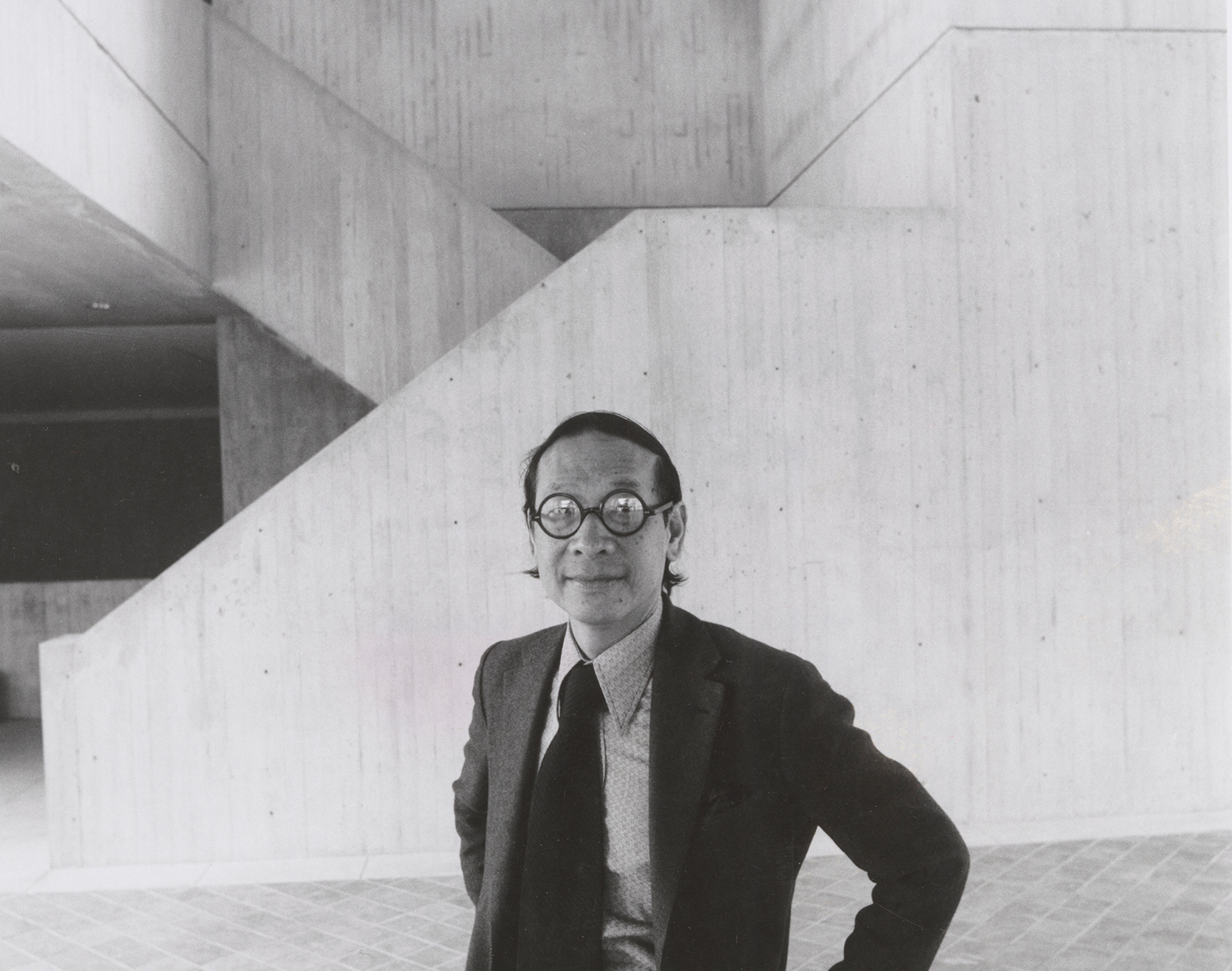
About the Museum
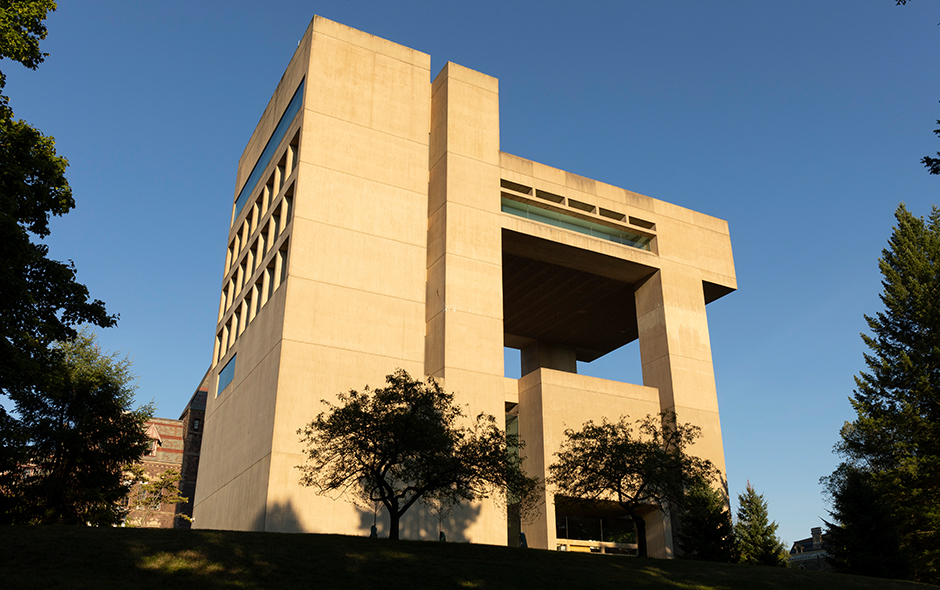
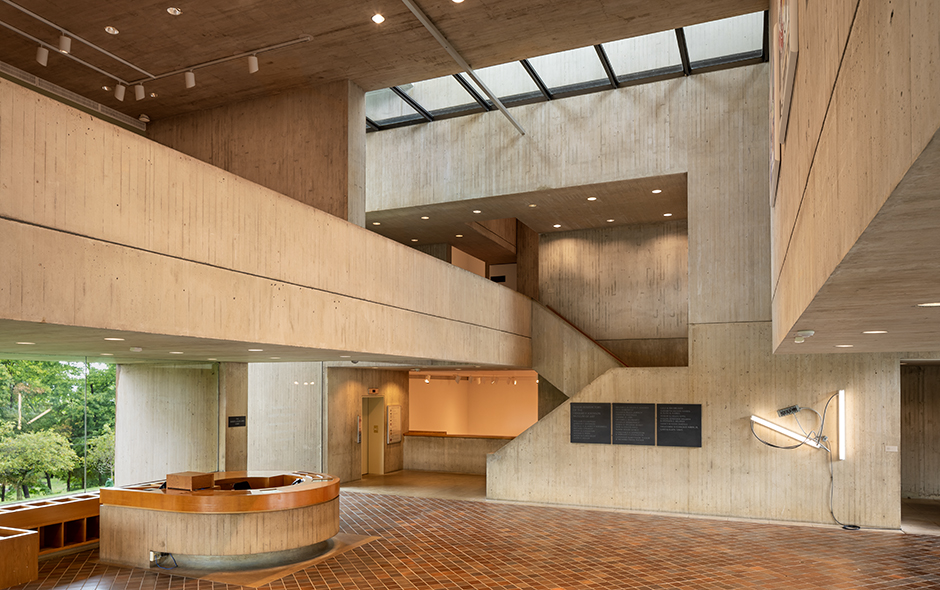
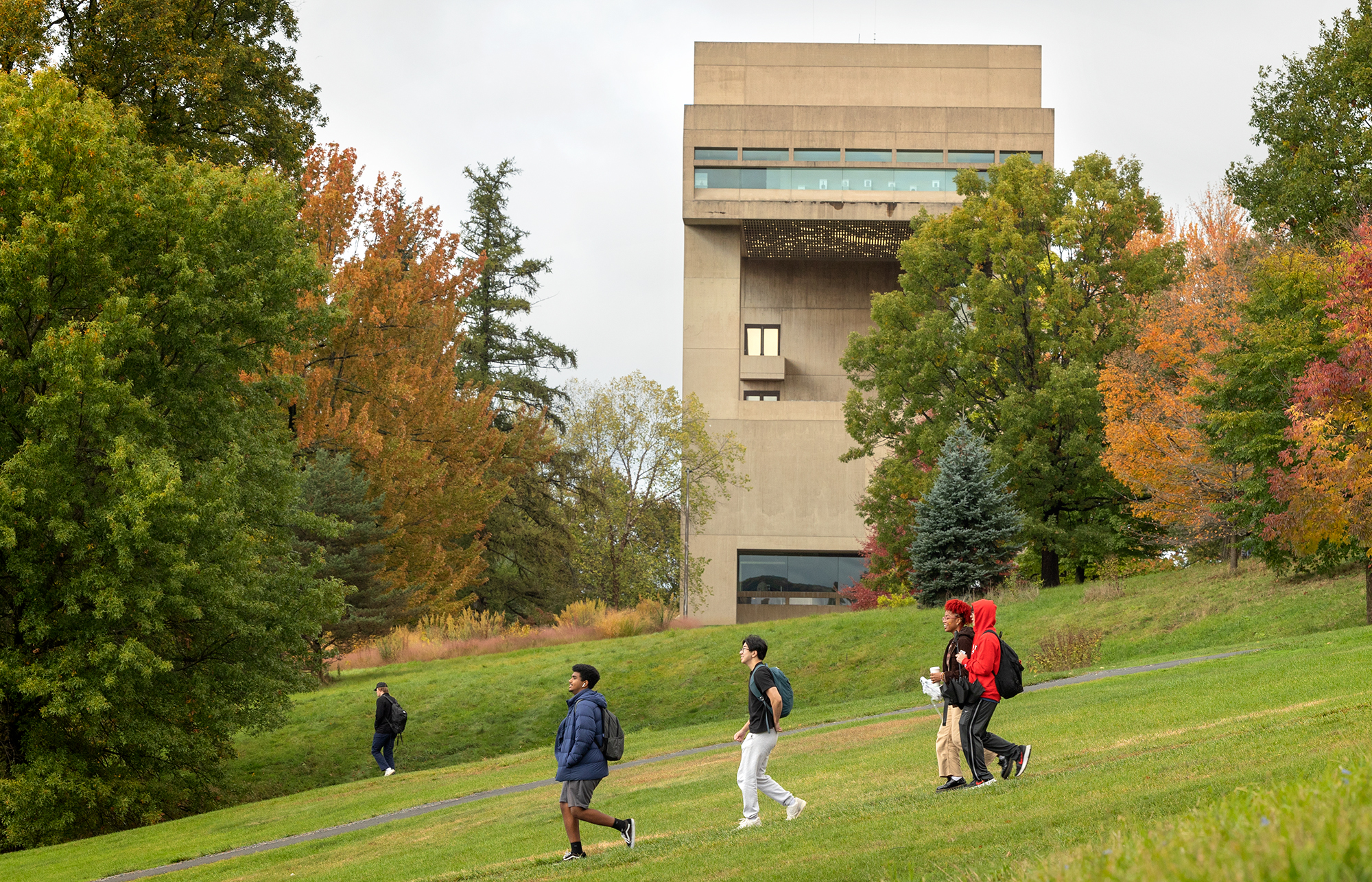
The Herbert F. Johnson Museum of Art at Cornell University opened in 1973 and has always been open to all without charge. Designed by I. M. Pei & Partners, the Museum is named for Herbert F. Johnson, Class of 1922.
Land Acknowledgment
Cornell University is located on the traditional homelands of the Gayogo̱hó:nǫɁ (the Cayuga Nation). The Gayogo̱hó:nǫɁ are members of the Haudenosaunee Confederacy, an alliance of six sovereign Nations with a historic and contemporary presence on this land. The Confederacy precedes the establishment of Cornell University, New York state, and the United States of America. We acknowledge the painful history of Gayogo̱hó:nǫɁ dispossession, and honor the ongoing connection of Gayogo̱hó:nǫɁ people, past and present, to these lands and waters.
This land acknowledgment has been reviewed and approved by the traditional Gayogo̱hó:nǫɁ leadership.