

Search

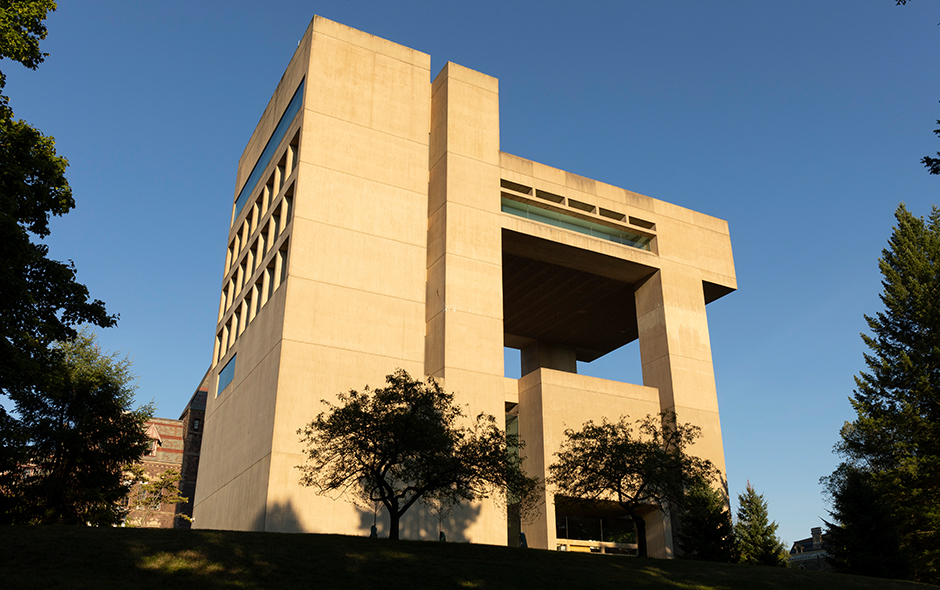
A concrete cantilevered building against blue sky and green landscaping

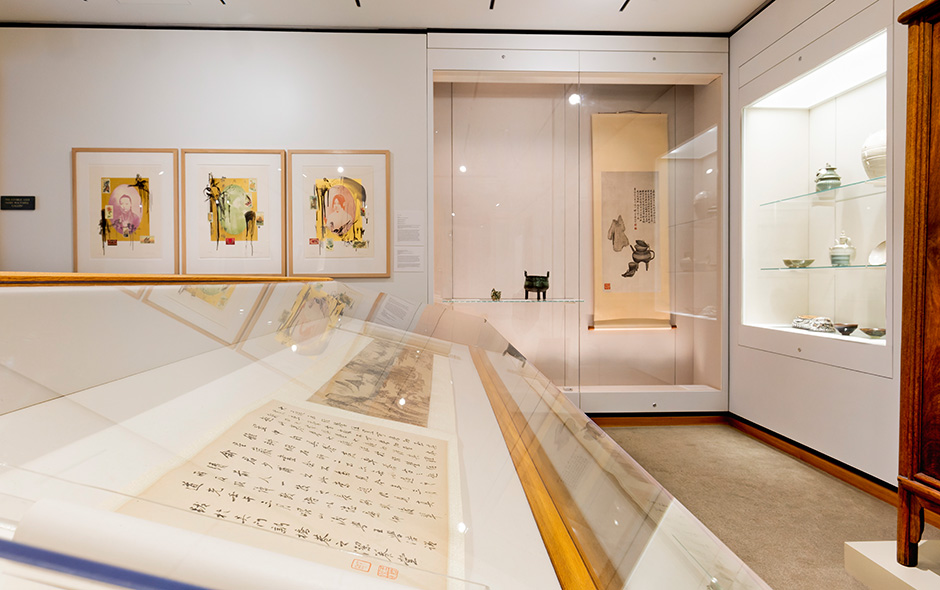
Museum gallery with art from China

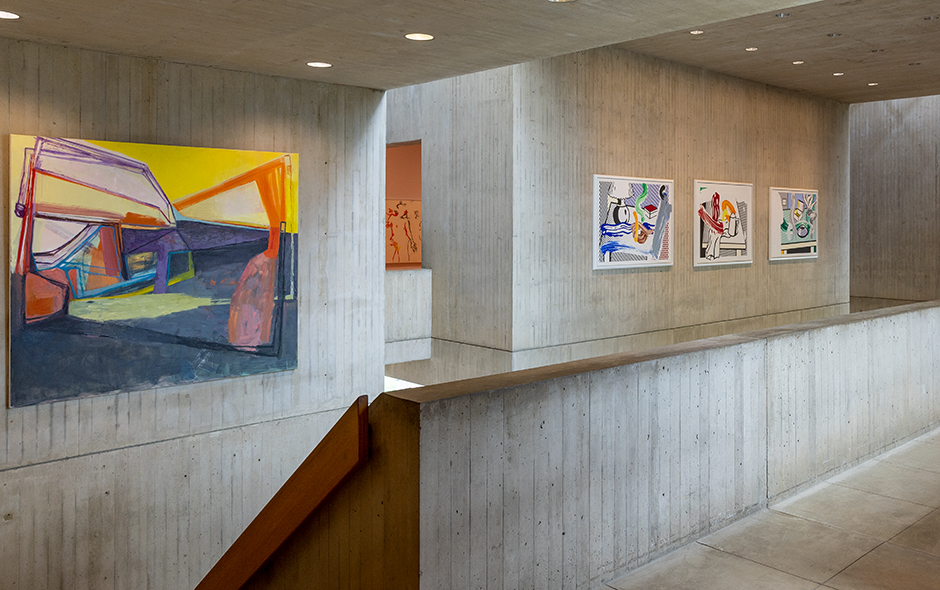
A museum interior space with paintings and concrete walls and stairs

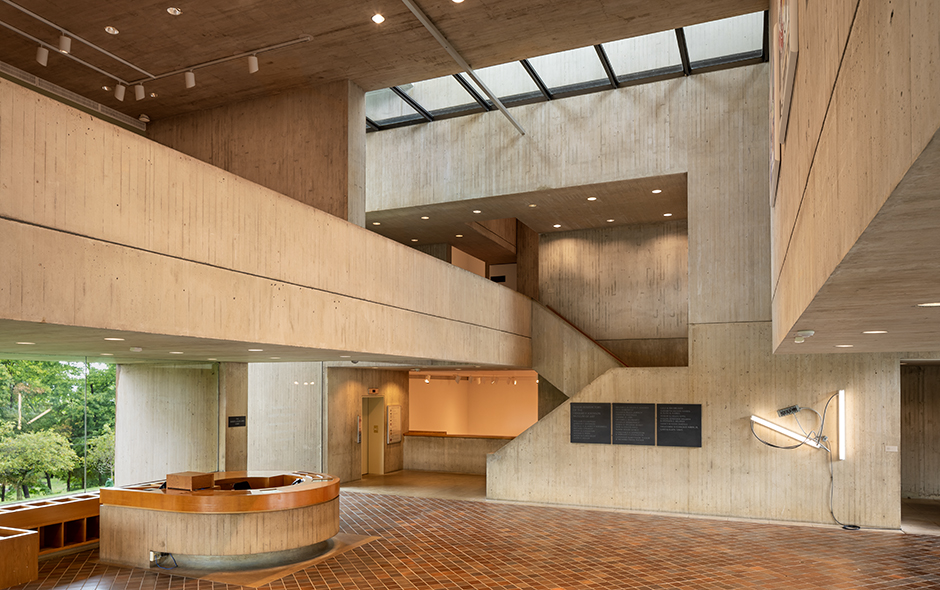
A concrete-walled lobby with windows, a tiled floor, and a circular desk

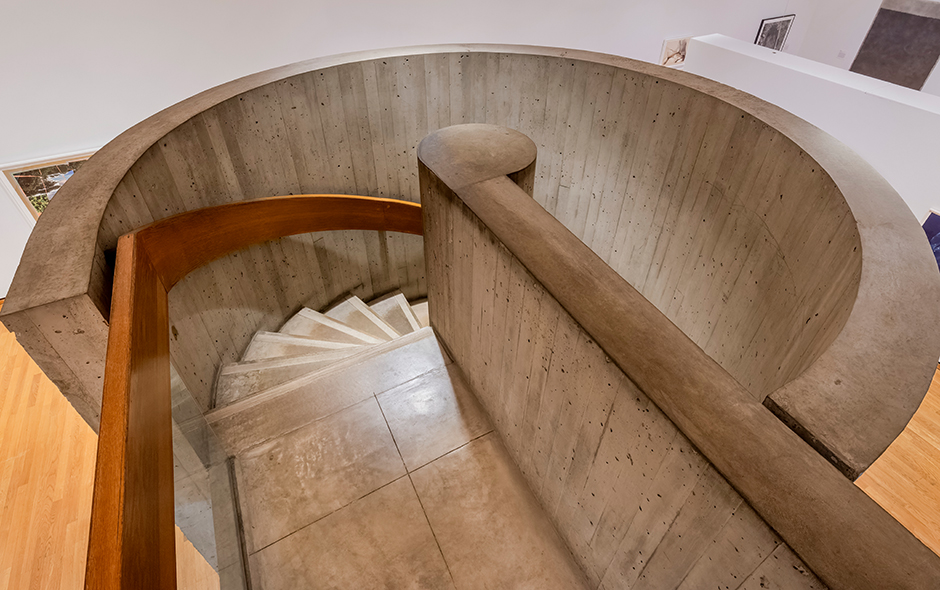
The top of a concrete spiral staircase with a wooden railing

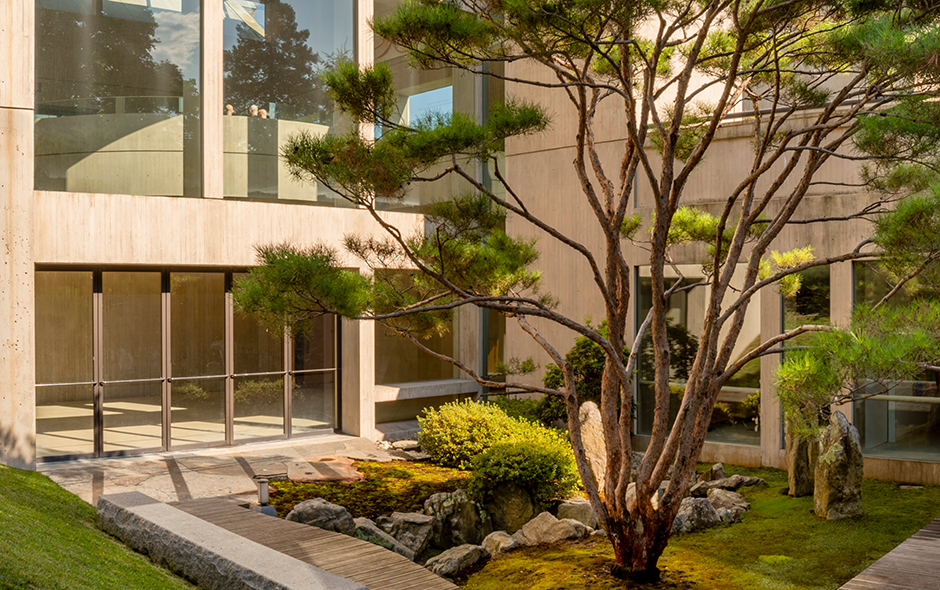
A tall tree is the focal point of a garden in between two concrete buildings

About arrow_back

Admission for everyone is always free! Check here for current hours and more.

A concrete cantilevered building against blue sky and green landscaping

Collections arrow_back

The Johnson Museum holds more than 40,000 works in its collection from around the world.

Museum gallery with art from China

Exhibitions arrow_back

Check out what’s on view this season at the Museum and look back through our history.

A museum interior space with paintings and concrete walls and stairs

Events arrow_back

Free events for everyone, plus special programs for students, families, and more!

A concrete-walled lobby with windows, a tiled floor, and a circular desk

Learn arrow_back

The Johnson Museum actively contributes to the intellectual life of our campus and community.

The top of a concrete spiral staircase with a wooden railing

Support arrow_back

Help the Johnson Museum continue its legacy by making a gift today.

A tall tree is the focal point of a garden in between two concrete buildings

Katsukawa Shunsho

(Japanese, 1726–1793)

Taira no Kanemori, from the series Nishiki hyakunin isshu azuma-ori (Eastern Brocade of One Hundred Poems by One Hundred Poets)

View All Works

Object Details

Artist

Katsukawa Shunsho

Date

1775

Medium

Color woodblock print

Dimensions

Sheet: 10 7/16 × 7 1/4 inches (26.5 × 18.4 cm)

Credit Line

Gift of Mark and Kyoko Selden

Object
Number

2015.063.037

Each page in this anthology of Japan’s one hundred greatest poets combines a portrait and a poem. (…)

Each page in this anthology of Japan’s one hundred greatest poets combines a portrait and a poem. Saigyo (1118–1190), though born into a samurai family, renounced his life of privilege to became a Buddhist priest-poet. Between his numerous travels around Japan, he lived in a simple grass hut near the Shingon Buddhist temples of Mount Koya. References to the moon appear frequently in Saigyo’s poetry; here the moon becomes a conduit for feelings of loss: Nageke tote Should I blame the moonTsuki ya wa mono o For bringing forth this sadness,Omowasuru As if it pictured grief?Kakochi gao naru Lifting up my troubled face,Waga namida kana I regard it through my tears.(“Moon,” curated by Ellen Avril and presented at the Johnson Museum August 25, 2018-January 13, 2019)

Discover More

Create an account

Please take a moment to fill your information to create your account.

Reset Password

Lost your password? Please enter your email address. You will receive mail with link to set new password.

Save Artwork

Save the artwork in any of your exhibitions or create a new one.

You have not made any exhibitions.

Create New Exhibition

Create New Exhibition