

Search

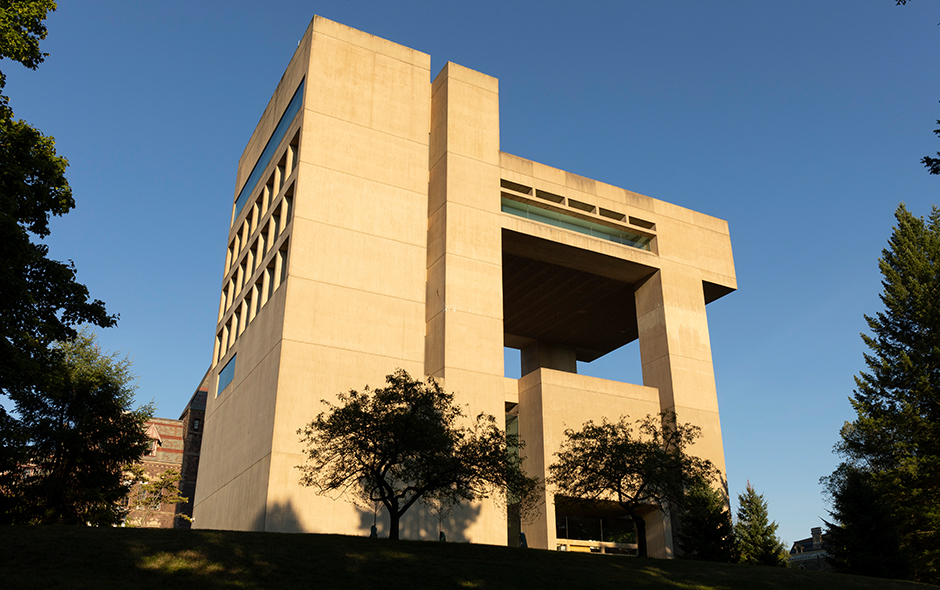
A concrete cantilevered building against blue sky and green landscaping

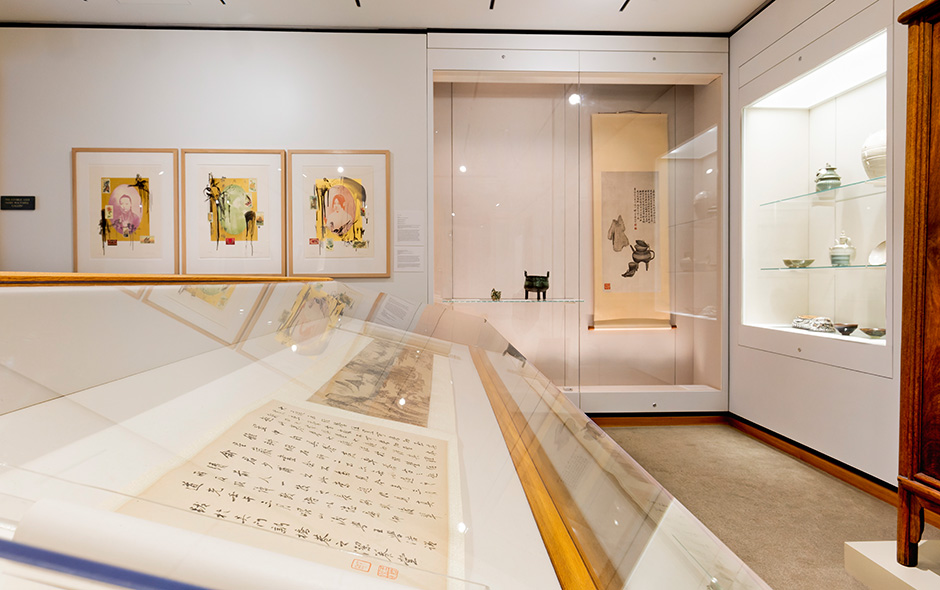
Museum gallery with art from China

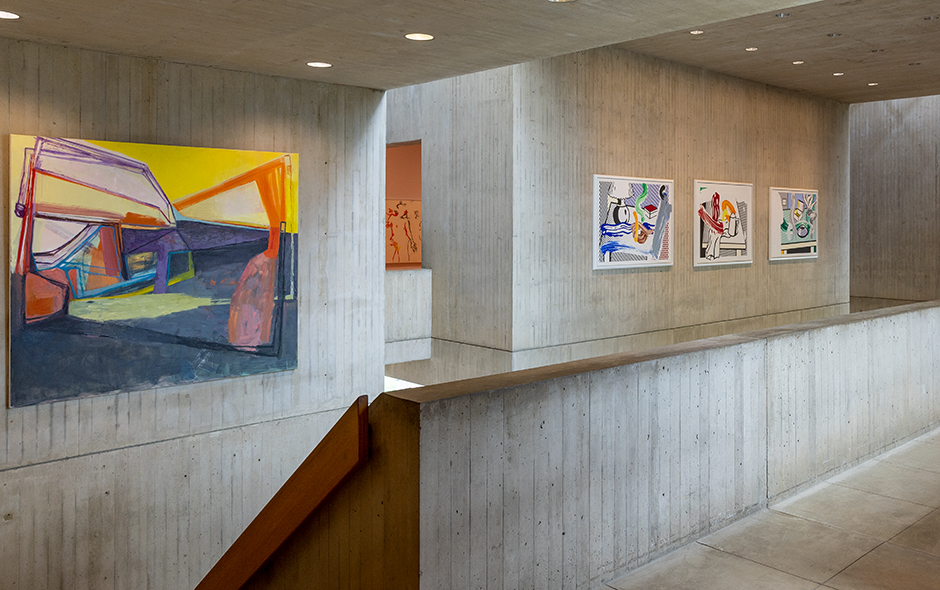
A museum interior space with paintings and concrete walls and stairs

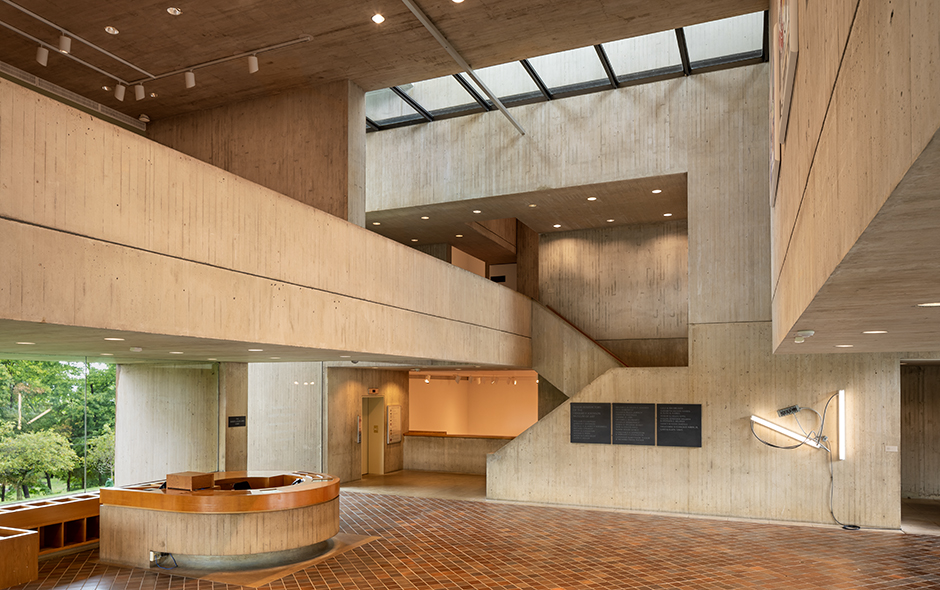
A concrete-walled lobby with windows, a tiled floor, and a circular desk

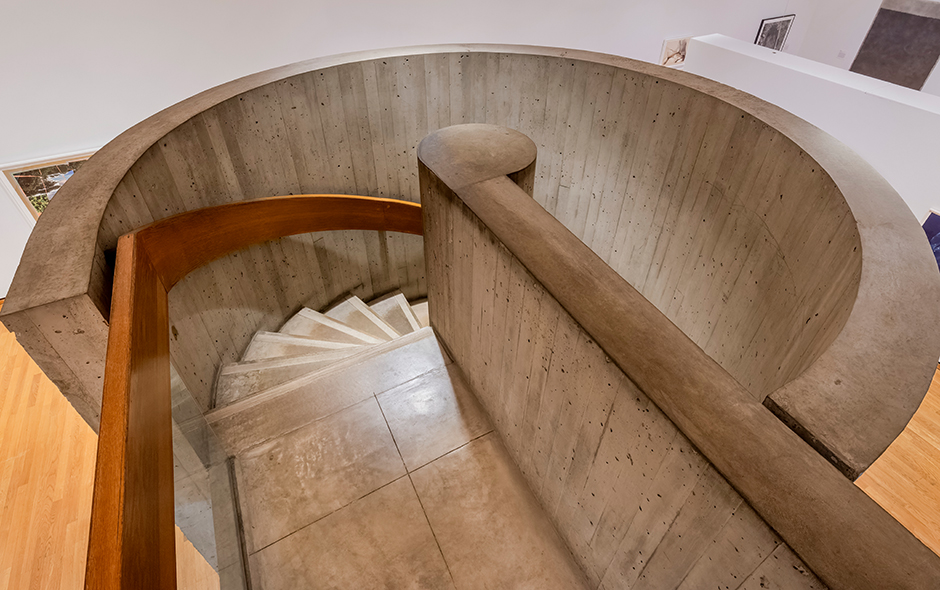
The top of a concrete spiral staircase with a wooden railing

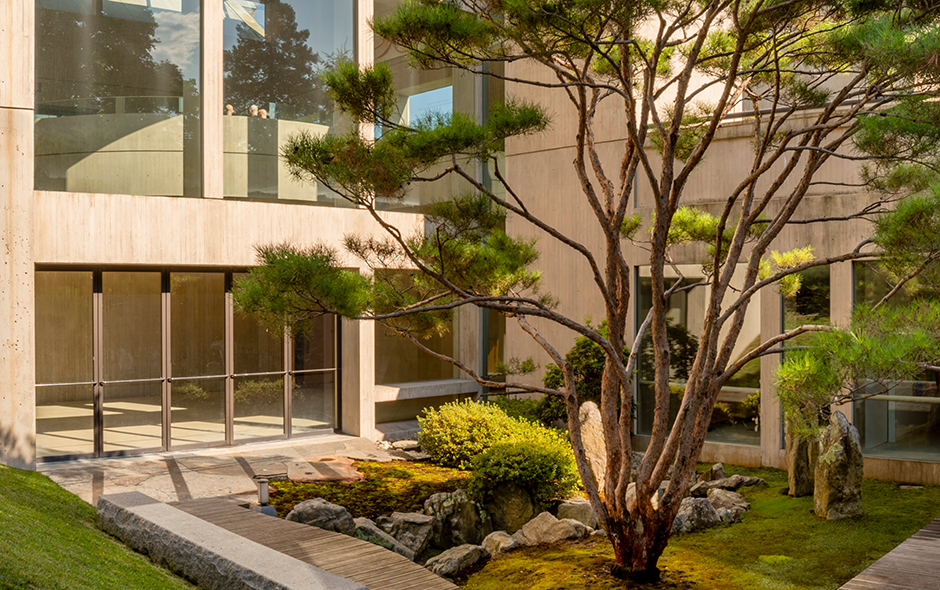
A tall tree is the focal point of a garden in between two concrete buildings

About arrow_back

Admission for everyone is always free! Check here for current hours and more.

A concrete cantilevered building against blue sky and green landscaping

Collections arrow_back

Questions?

Our online database is experiencing intermittent technical difficulties. You can email museum@cornell.edu if you need assistance with your research inquiry while we work to resolve the issue.


Museum gallery with art from China

Exhibitions arrow_back

Check out what’s on view this season at the Museum and look back through our history.

A museum interior space with paintings and concrete walls and stairs

Events arrow_back

Free events for everyone, plus special programs for students, families, and more!

A concrete-walled lobby with windows, a tiled floor, and a circular desk

Learn arrow_back

The Johnson Museum actively contributes to the intellectual life of our campus and community.

The top of a concrete spiral staircase with a wooden railing

Support arrow_back

Help the Johnson Museum continue its legacy by making a gift today.

A tall tree is the focal point of a garden in between two concrete buildings

Ichihara Shunko

(Japanese, active early 20th century)

Kannon Bosatsu

View All Works

Object Details

Artist

Ichihara Shunko

Date

1939

Medium

Hanging scroll: ink, colors and gold on silk

Dimensions

48 9/16 x 16 inches (123.4 x 40.7 cm)

Credit Line

Gift of Marjorie Henricksen

Object
Number

2008.100.003

Shunko has not been identified, but judging from the quality of this painting, he must have been an (…)

Shunko has not been identified, but judging from the quality of this painting, he must have been an artist of some reputation. The sweetness and sensuality of this image of Kannon is quite different, almost uncomfortably so, from earlier Japanese images of this bosatsu. In the early twentieth century an important theme in Japanese culture was the shared heritage of Asian cultures, expressed in the motto of Okakura Tenshin (Okakura Kakuzo), “Asia is one.” Tenshin had visited India in 1901 and had established a strong relationship with the Indian philosopher and critic Rabindranath Tagore (1861–1942). Within this context artists such as Arai Kanpo (1875–1945) and Asai Kanpa (1897–1985) traveled to India to study Indian art and visited the famous caves of Ajanta, where they made careful copies of the paintings there and heard lectures on Indian mythology. Tenshin encouraged two generations of artists to follow this pilgrimage route, resulting in a popular taste for Indian imagery in painting and sculpture in Japan. The softly swaying body in the “thrice bent” pose, the long arms hanging from the shoulders like the trunk of an elephant, and the gentle downward gaze of the eyes are typical of Buddhist imagery from Ajanta. This is combined with the Taisho era tendency to emphasize the fantastic in the creation of dreamy, visionary images. The dedication of the artist to the Buddhist faith is suggested by his dating of the image to the 2504th year after the birth of the Buddha.
Discover More

Create an account

Please take a moment to fill your information to create your account.

Reset Password

Lost your password? Please enter your email address. You will receive mail with link to set new password.

Save Artwork

Save the artwork in any of your exhibitions or create a new one.

You have not made any exhibitions.

Create New Exhibition

Create New Exhibition