


Search

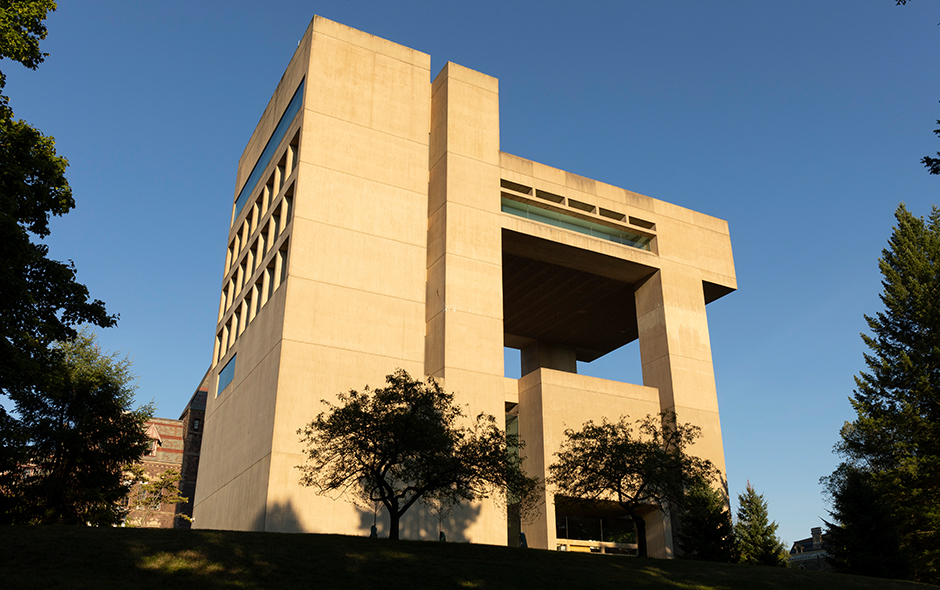
A concrete cantilevered building against blue sky and green landscaping

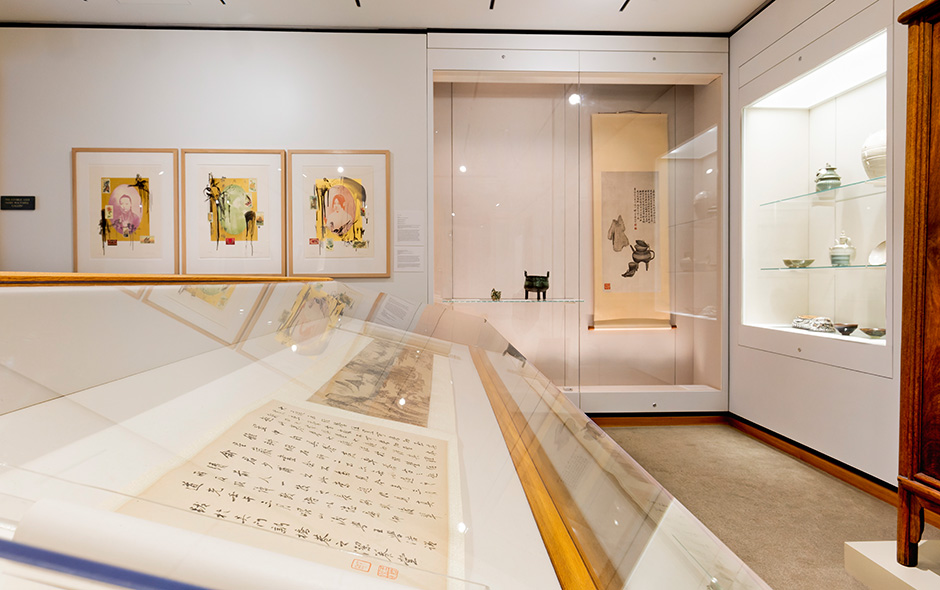
Museum gallery with art from China

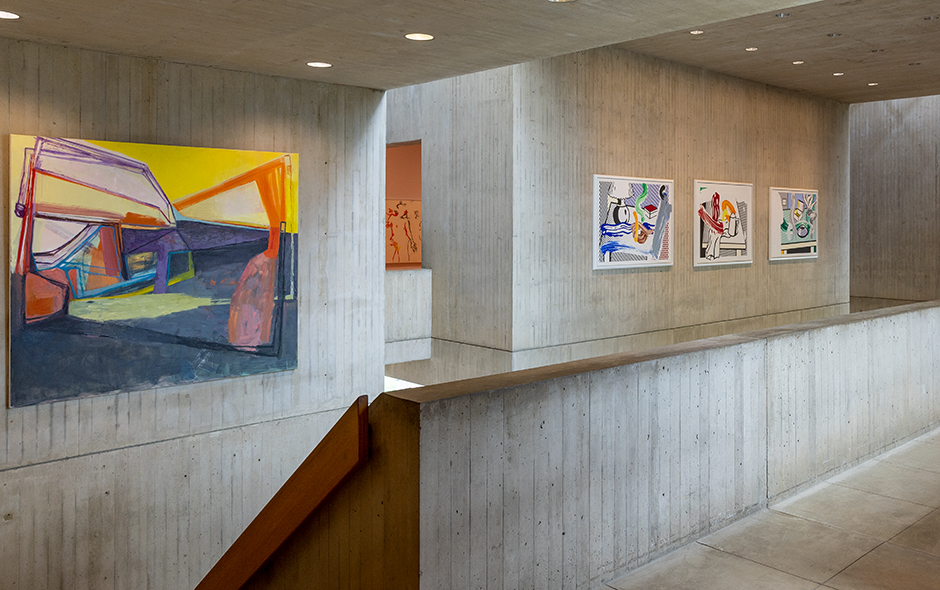
A museum interior space with paintings and concrete walls and stairs

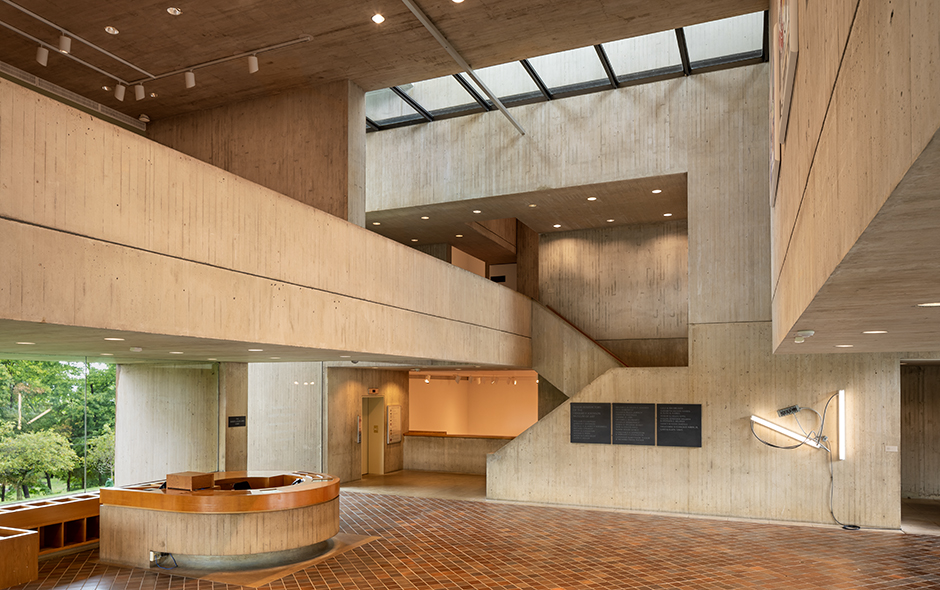
A concrete-walled lobby with windows, a tiled floor, and a circular desk

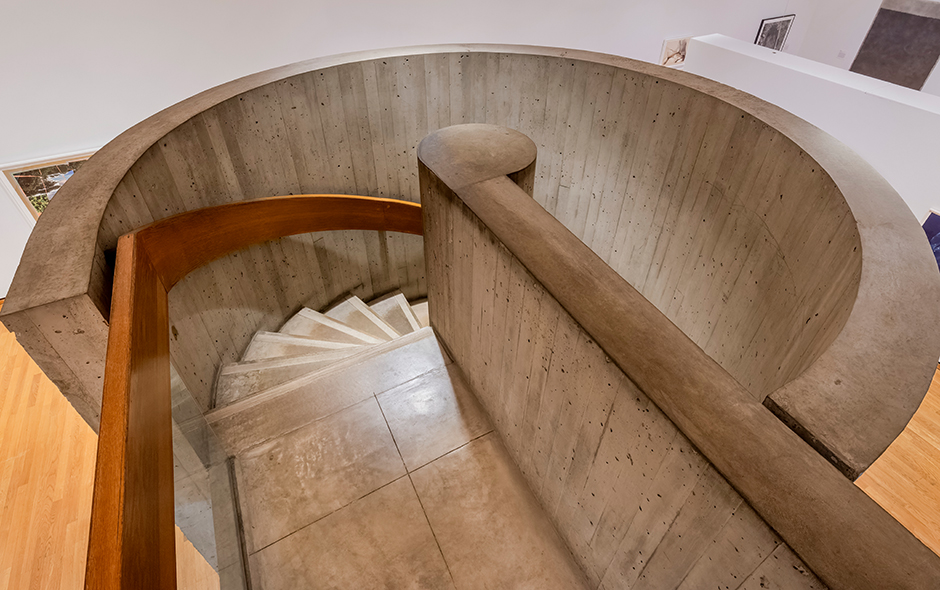
The top of a concrete spiral staircase with a wooden railing

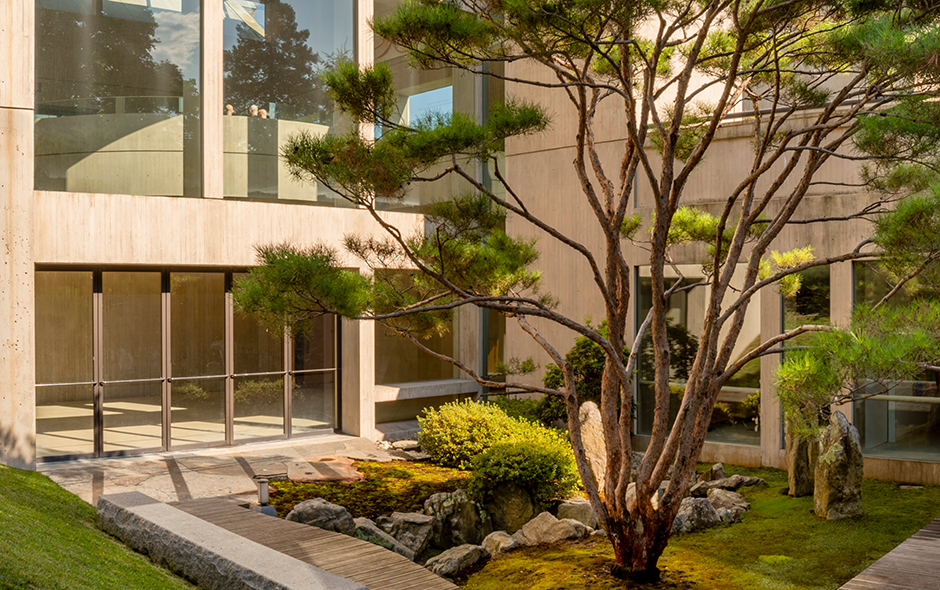
A tall tree is the focal point of a garden in between two concrete buildings

About arrow_back

Admission for everyone is always free! Check here for current hours and more.

A concrete cantilevered building against blue sky and green landscaping

Collections arrow_back

Questions?

Our online database is experiencing intermittent technical difficulties. You can email museum@cornell.edu if you need assistance with your research inquiry while we work to resolve the issue.


Museum gallery with art from China

Exhibitions arrow_back

Check out what’s on view this season at the Museum and look back through our history.

A museum interior space with paintings and concrete walls and stairs

Events arrow_back

Free events for everyone, plus special programs for students, families, and more!

A concrete-walled lobby with windows, a tiled floor, and a circular desk

Learn arrow_back

The Johnson Museum actively contributes to the intellectual life of our campus and community.

The top of a concrete spiral staircase with a wooden railing

Support arrow_back

Help the Johnson Museum continue its legacy by making a gift today.

A tall tree is the focal point of a garden in between two concrete buildings

Margaret Bourke-White

(American, 1904–1971)

[Miner mops up after explosion of vein in anthracite mine, Pennsylvania]

View All Works

Object Details

Artist

Margaret Bourke-White

Date

1931

Medium

Gelatin silver print

Dimensions

Image: 11 1/2 × 8 1/4 inches (29.2 × 21 cm)
Mat: 18 × 14 1/16 inches (45.7 × 35.7 cm)

Credit Line

Gift of Gary Davis, Class of 1976

Object
Number

2005.056.009

This photograph was taken after Bourke-White wrangled permission to descend three miles into a mines(…)

This photograph was taken after Bourke-White wrangled permission to descend three miles into a mineshaft. Her mine photographs were published in the Fortune story “Hard Coal” in February 1931. The superb quality of this print suggests that Oscar Graubner, Bourke-White’s darkroom technician, printed it. Even at this early date, Bourke-White insisted that the full negative always be printed—evident by the black line showing around the edges. Known as “printing black,” by the 1930s thanks to Bourke-White’s perfectionist standards this became standard operating procedure in LIFE photo labs then headed by Graubner. (“Margaret Bourke-White: From Cornell Student to Visionary Photojournalist,” curated by Stephanie Wiles and presented at the Johnson Museum January 24 – June 7, 2015)

Create an account

Please take a moment to fill your information to create your account.

Reset Password

Lost your password? Please enter your email address. You will receive mail with link to set new password.

Save Artwork

Save the artwork in any of your exhibitions or create a new one.

You have not made any exhibitions.

Create New Exhibition

Create New Exhibition