

Search

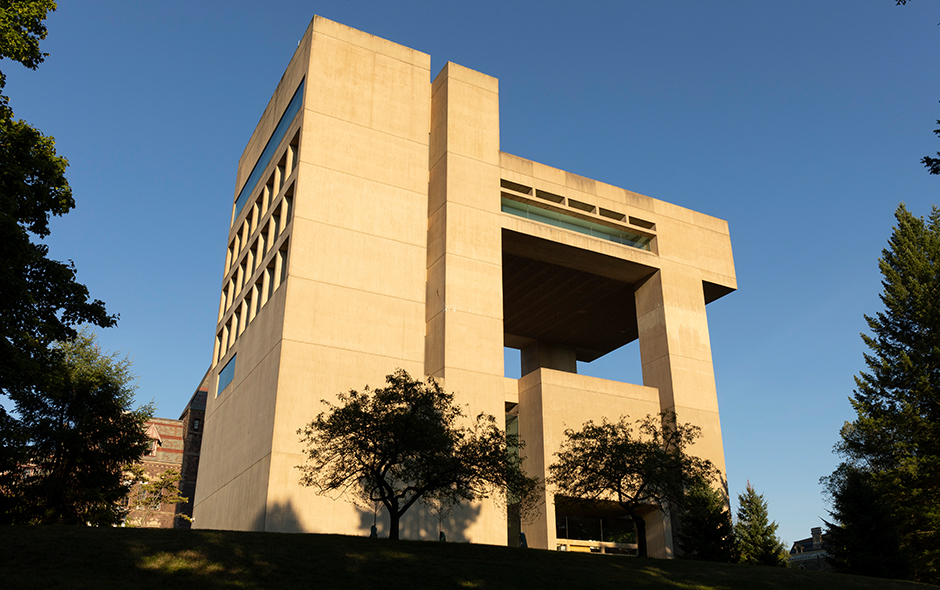
A concrete cantilevered building against blue sky and green landscaping

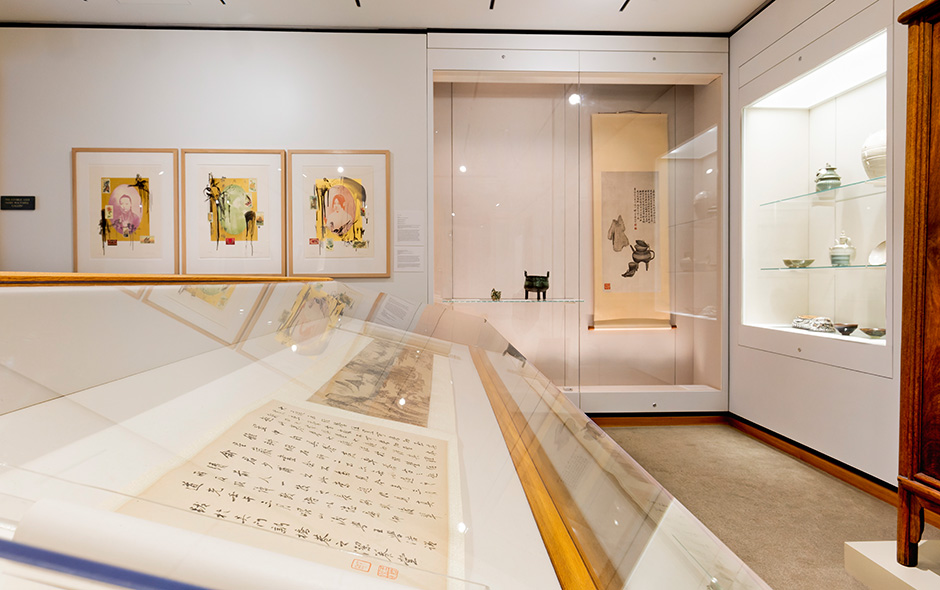
Museum gallery with art from China

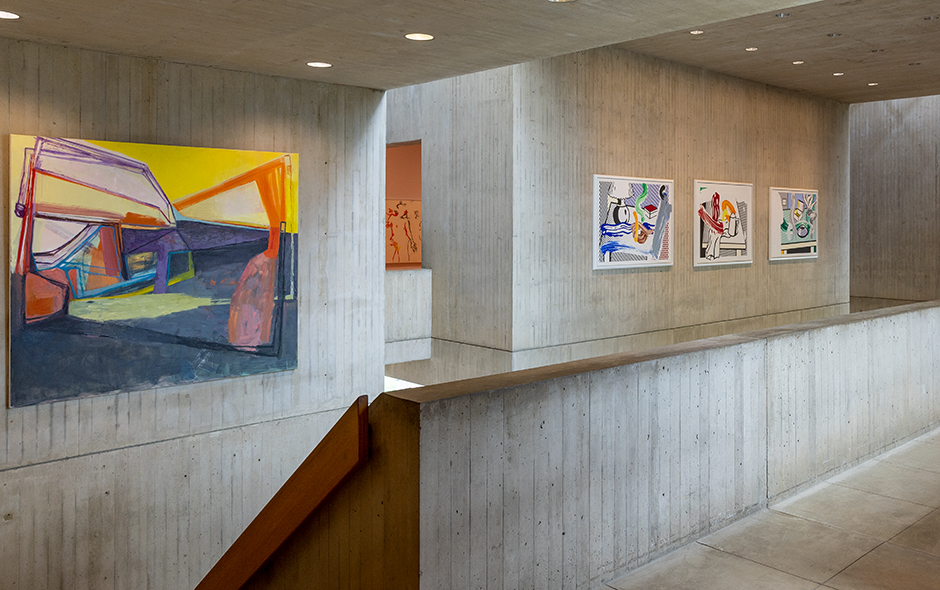
A museum interior space with paintings and concrete walls and stairs

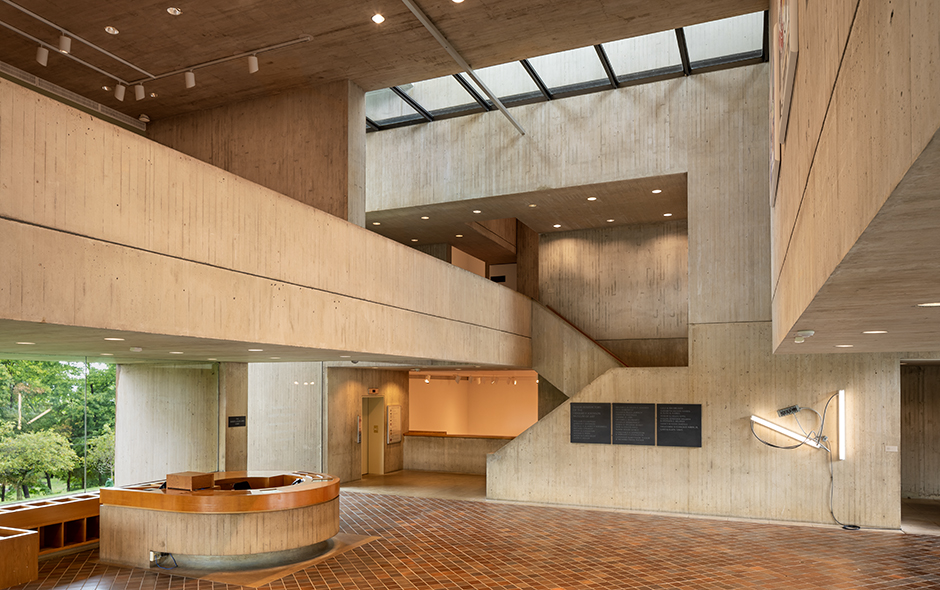
A concrete-walled lobby with windows, a tiled floor, and a circular desk

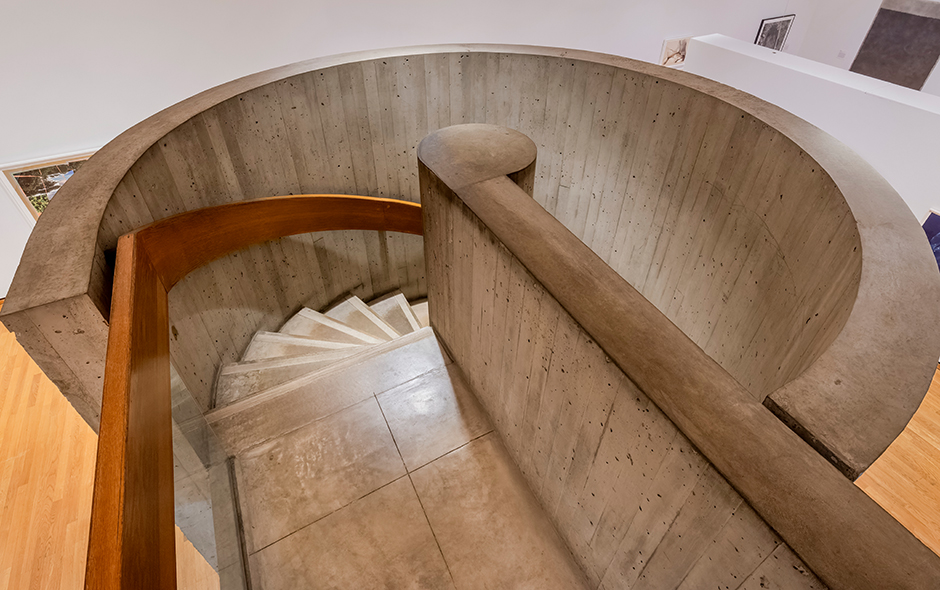
The top of a concrete spiral staircase with a wooden railing

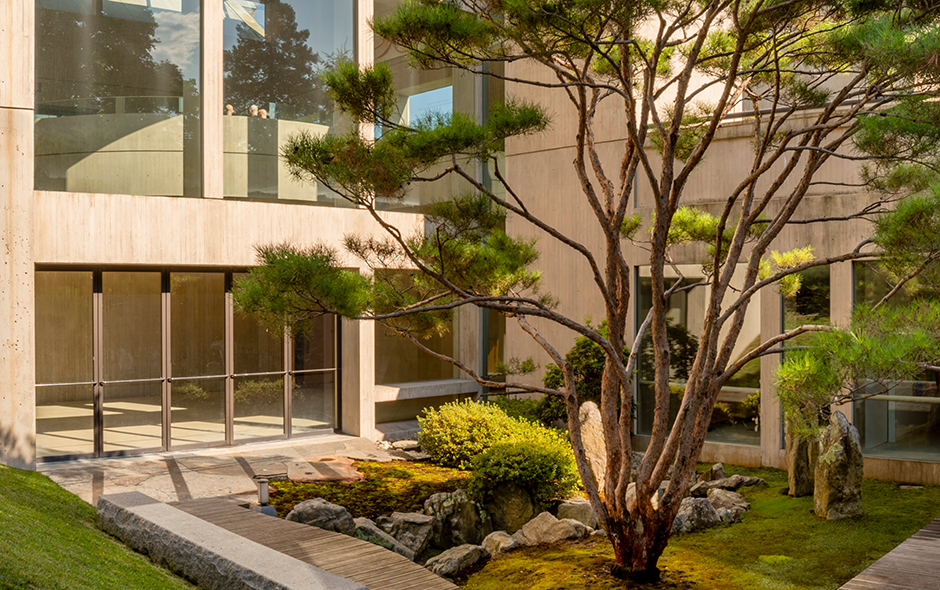
A tall tree is the focal point of a garden in between two concrete buildings

About arrow_back

Admission for everyone is always free! Check here for current hours and more.

A concrete cantilevered building against blue sky and green landscaping

Collections arrow_back

Questions?

Our online database is experiencing intermittent technical difficulties. You can email museum@cornell.edu if you need assistance with your research inquiry while we work to resolve the issue.


Museum gallery with art from China

Exhibitions arrow_back

Check out what’s on view this season at the Museum and look back through our history.

A museum interior space with paintings and concrete walls and stairs

Events arrow_back

Free events for everyone, plus special programs for students, families, and more!

A concrete-walled lobby with windows, a tiled floor, and a circular desk

Learn arrow_back

The Johnson Museum actively contributes to the intellectual life of our campus and community.

The top of a concrete spiral staircase with a wooden railing

Support arrow_back

Help the Johnson Museum continue its legacy by making a gift today.

A tall tree is the focal point of a garden in between two concrete buildings

Katsukawa Shuncho

(Japanese, 1781–1801)

An oiran courtesan with kamuro and shinzo attendants

View All Works

Object Details

Artist

Katsukawa Shuncho

Medium

Color woodblock print

Dimensions

14 9/16 × 9 13/16 inches (37 × 25 cm)

Credit Line

Gift of Robert J. Smith, PhD 1953, and Kazuko Smith

Object
Number

2005.044.044

The depiction of geisha in ukiyo-e prints and paintings, as well as in Meiji-period photographs, sho(…)

The depiction of geisha in ukiyo-e prints and paintings, as well as in Meiji-period photographs, show only one segment of Japanese society, and the popularity of these types of images, especially among foreigners, contributed to the development of stereotypes about Japanese women. Even among Japanese historical sources about women, most focused on the lives of the aristocracy.Sensitive to the need for a fuller, more nuanced understanding of the lives of Japanese women, Kazuko Smith, a retired Cornell lecturer in Japanese language, published Makiko’s Diary: A Merchant Wife in 1910 Kyoto, a translation into English of the diary of Nakano Makiko. About her, Kazuko wrote:Makiko was not in the least the kind of early twentieth-century Japanese woman you usually find in novels and films: passive, obedient, with no will of her own. Makiko had many duties and was subject to many restrictions—but that was in a time when women around the world were given secondary roles, with no part in public affairs, and did not enjoy equal opportunities with men. At that time the Japanese government was promoting as its ideal woman the “good wife/wise mother,” and Makiko strove to live up to that ideal. But there were moments when she was not entirely won over by it. At one point she wrote, rather plaintively, “Why do women have to cook all the time?” (“American Sojourns and the Collecting of Japanese Art,” curated by Ellen Avril and presented at the Johnson Museum June 25–December 18, 2016)

Discover More

Create an account

Please take a moment to fill your information to create your account.

Reset Password

Lost your password? Please enter your email address. You will receive mail with link to set new password.

Save Artwork

Save the artwork in any of your exhibitions or create a new one.

You have not made any exhibitions.

Create New Exhibition

Create New Exhibition