


Search

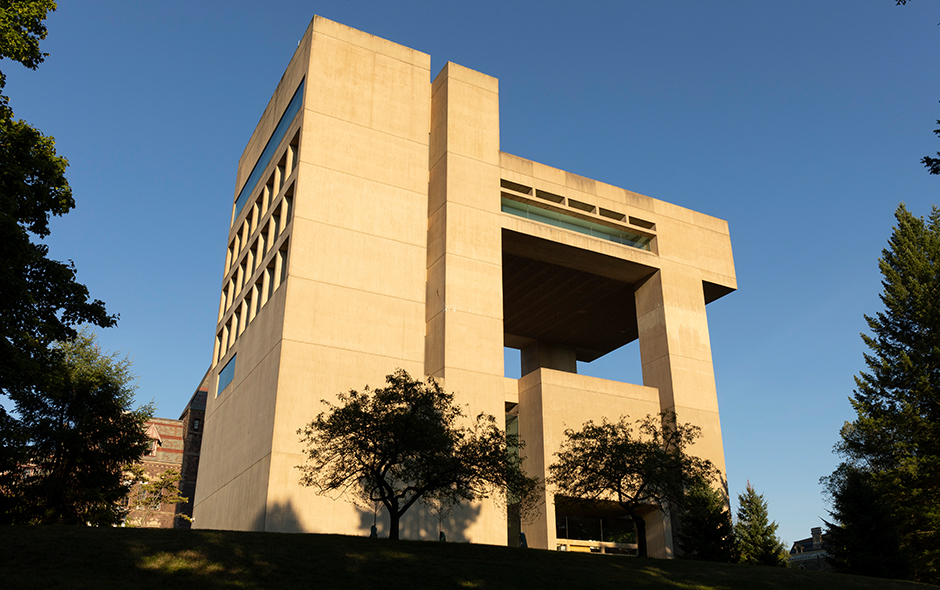
A concrete cantilevered building against blue sky and green landscaping

A large green wall with oil paintings in gold frames above a tiled floor

A museum interior space with paintings and concrete walls and stairs

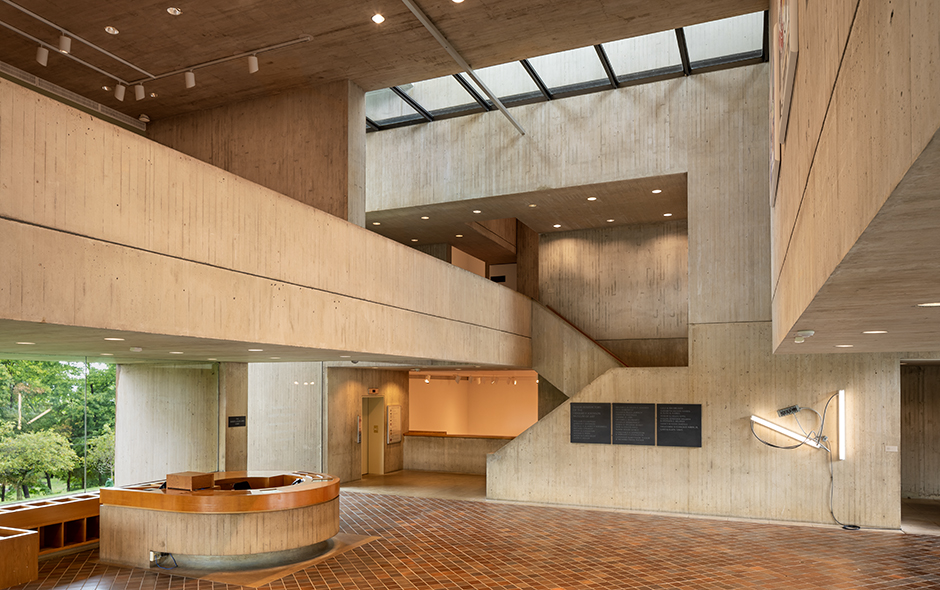
A concrete-walled lobby with windows, a tiled floor, and a circular desk

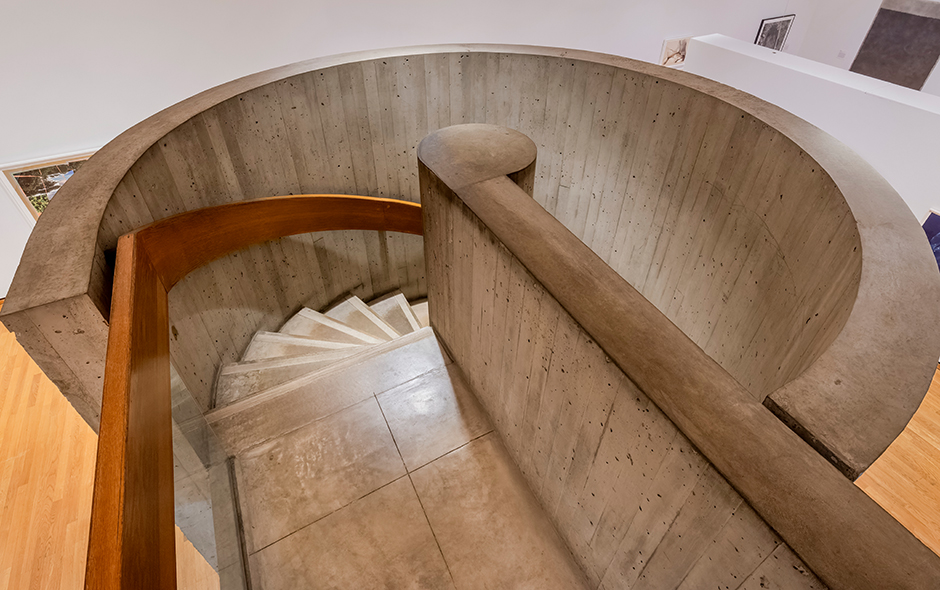
The top of a concrete spiral staircase with a wooden railing

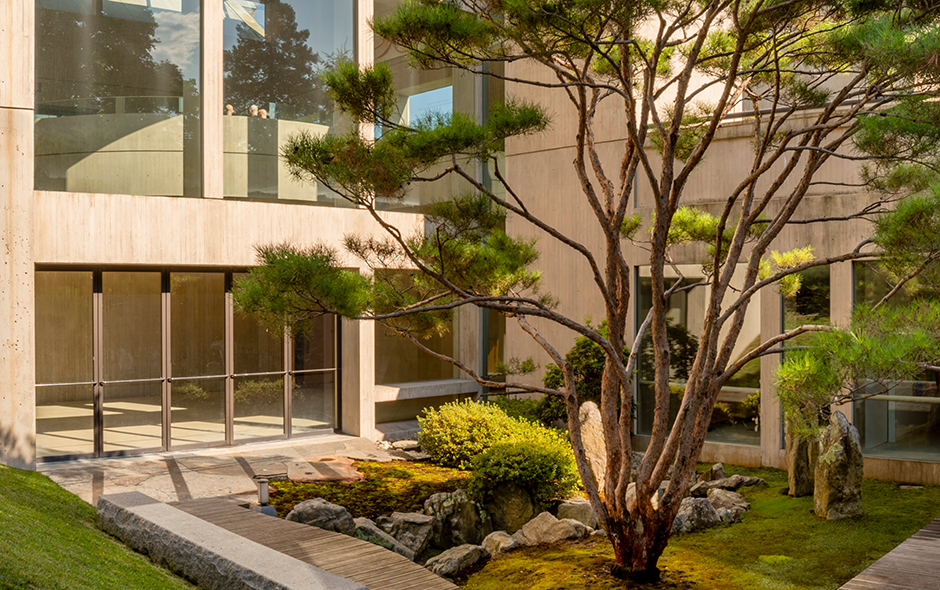
A tall tree is the focal point of a garden in between two concrete buildings

About arrow_back

Admission for everyone is always free! Check here for current hours and more.

A concrete cantilevered building against blue sky and green landscaping

Collections arrow_back

The Johnson Museum holds more than 40,000 works in its collection from around the world.

A large green wall with oil paintings in gold frames above a tiled floor

Exhibitions arrow_back

Check out what’s on view this season at the Museum and look back through our history.

A museum interior space with paintings and concrete walls and stairs

Events arrow_back

Free events for everyone, plus special programs for students, families, and more!

A concrete-walled lobby with windows, a tiled floor, and a circular desk

Learn arrow_back

The Johnson Museum actively contributes to the intellectual life of our campus and community.

The top of a concrete spiral staircase with a wooden railing

Support arrow_back

Help the Johnson Museum continue its legacy by making a gift today.

A tall tree is the focal point of a garden in between two concrete buildings

Huang Shen

(Chinese, 1687–1773)

Scholar and Servant

View All Works

Object Details

Artist

Huang Shen

Date

Late 17th century

Medium

Hanging scroll: ink and colors on paper

Dimensions

21 1/2 x 21 inches (54.6 x 53.3 cm)

Credit Line

Gift of Dr. and Mrs. Frederick Baekeland

Object
Number

79.092.005

Inscribed:The autumn sentiment in the old garden is subtly austere.Gazing at the yellow flowers, he (…)

Inscribed:The autumn sentiment in the old garden is subtly austere.Gazing at the yellow flowers, he is reminded of his integrity in his late years, like the fragrance of chrysanthemums.Playing the qin counted as one of the Four Arts (siyi) of Chinese scholars, along with qi (a Chinese chessboard game, also known by its Japanese name go), shu (calligraphy and books), and hua (painting). Prominent among literati associated with playing the qin was the poet Tao Qian (372-427), who made reference to the instrument in many of his poems. An exemplar of the scholar recluse, Tao Qian served as a government official, but then retired to the country, where his leisurely activities included cultivating chrysanthemums, drinking wine, writing poetry and playing the qin. The refined sounds of the zither’s silk strings were thought to contribute to one’s intimacy with nature, as well as to perfect the inner nature of the gentleman. Although he loved playing the qin, one day Tao Qian removed its strings, exclaiming “I have come to understand the deeper meaning of the qin. Why should I need the sound of the strings?”
Create an account

Please take a moment to fill your information to create your account.

Reset Password

Lost your password? Please enter your email address. You will receive mail with link to set new password.

Save Artwork

Save the artwork in any of your exhibitions or create a new one.

You have not made any exhibitions.

Create New Exhibition

Create New Exhibition