

Search

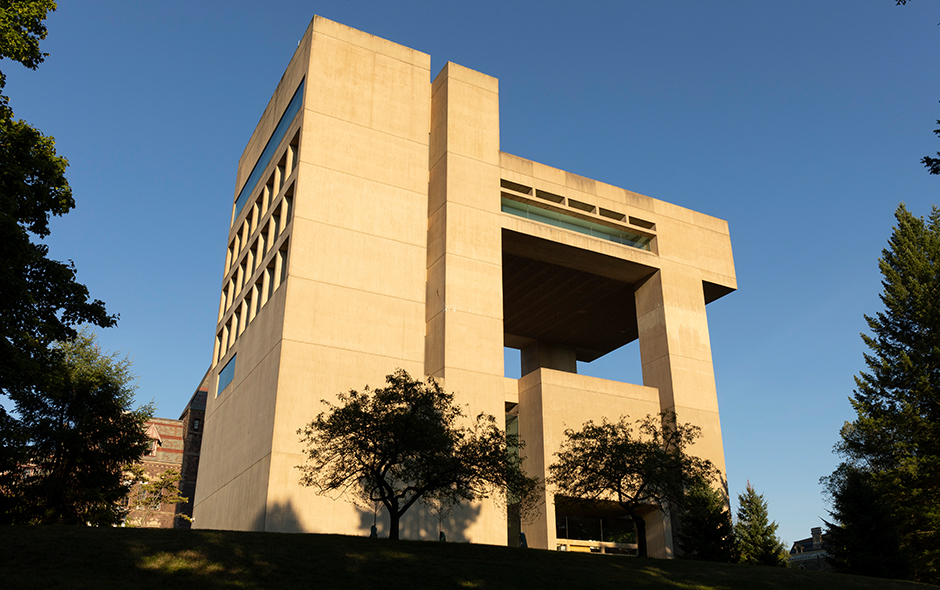
A concrete cantilevered building against blue sky and green landscaping

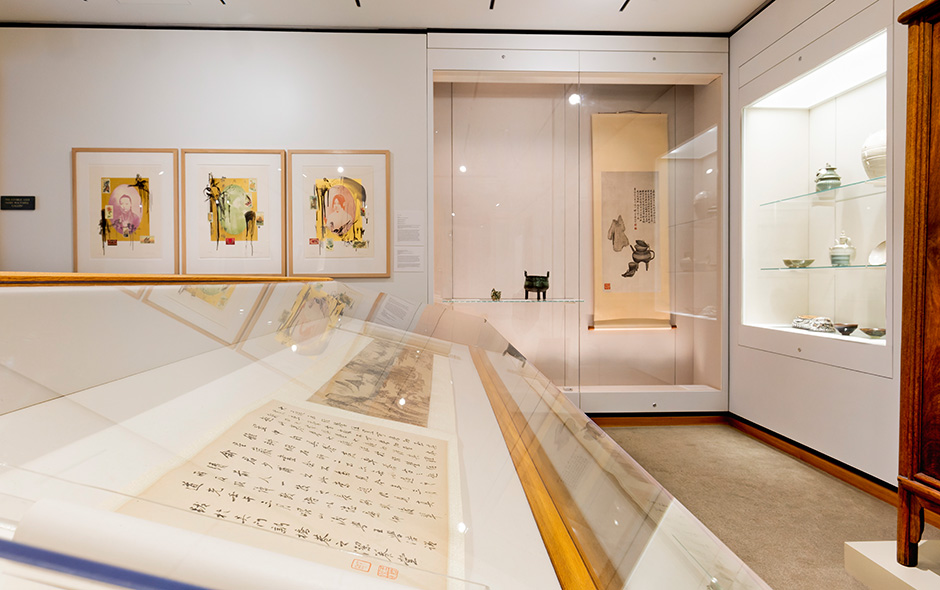
A large green wall with oil paintings in gold frames above a tiled floor

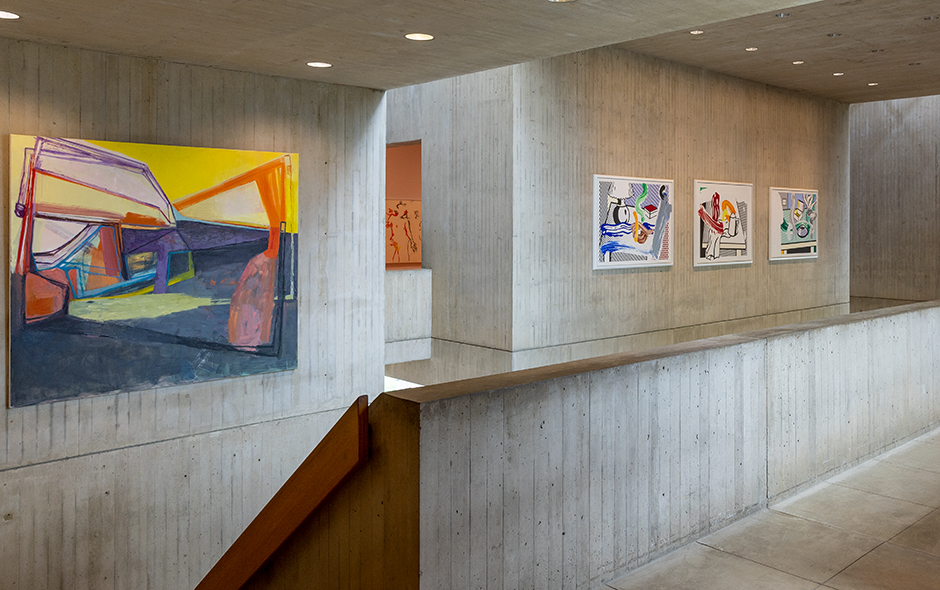
A museum interior space with paintings and concrete walls and stairs

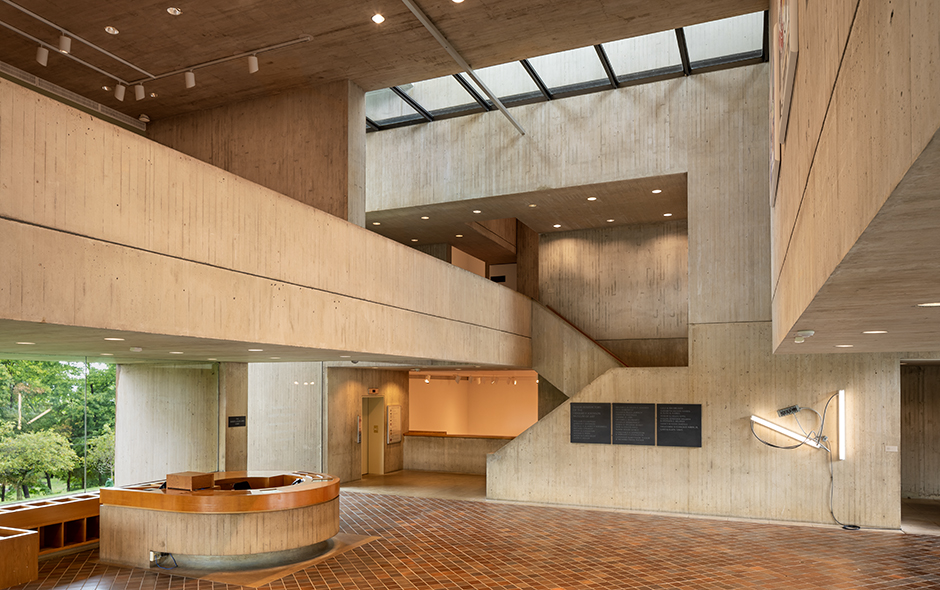
A concrete-walled lobby with windows, a tiled floor, and a circular desk

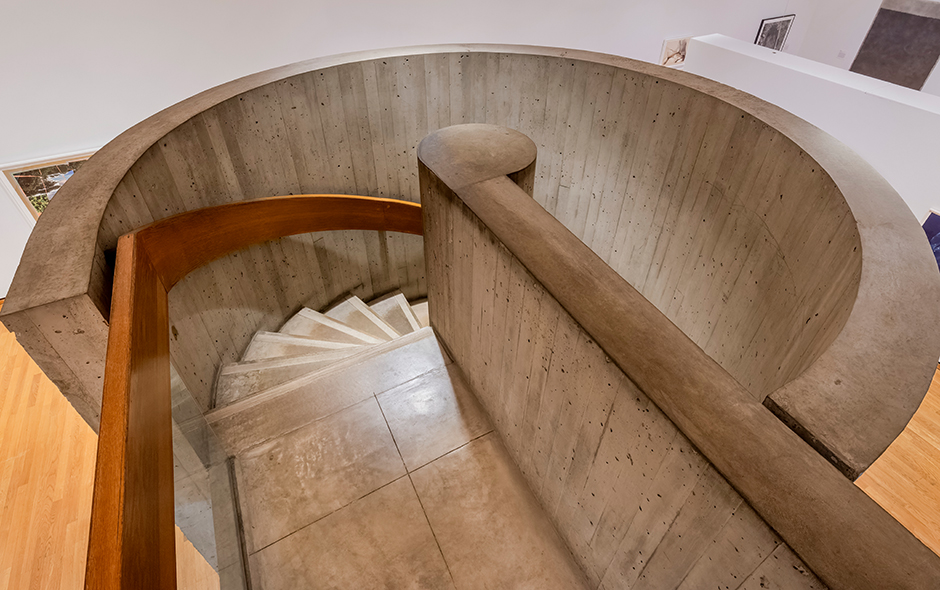
The top of a concrete spiral staircase with a wooden railing

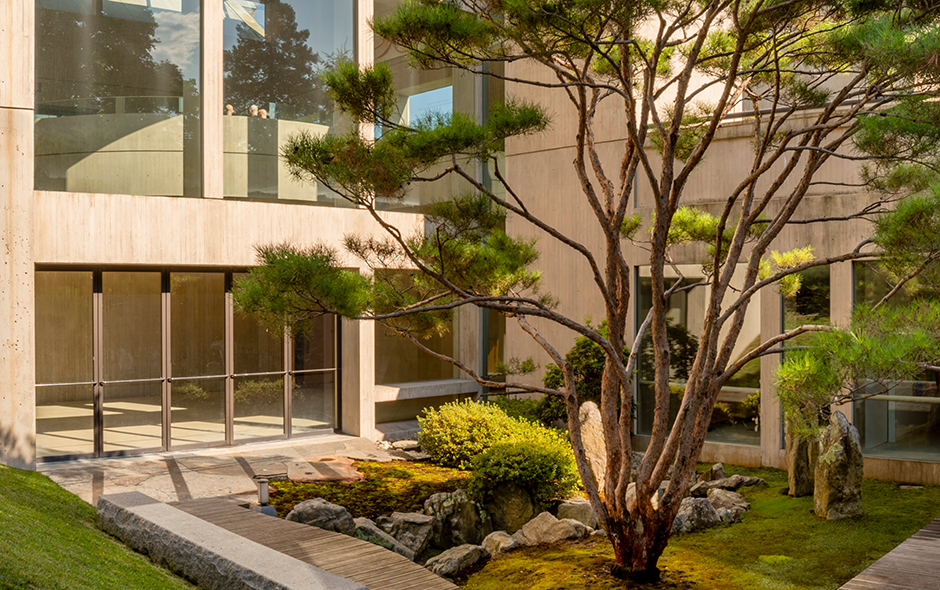
A tall tree is the focal point of a garden in between two concrete buildings

About arrow_back

Admission for everyone is always free! Check here for current hours and more.

A concrete cantilevered building against blue sky and green landscaping

Collections arrow_back

The Johnson Museum holds more than 40,000 works in its collection from around the world.

A large green wall with oil paintings in gold frames above a tiled floor

Exhibitions arrow_back

Check out what’s on view this season at the Museum and look back through our history.

A museum interior space with paintings and concrete walls and stairs

Events arrow_back

Free events for everyone, plus special programs for students, families, and more!

A concrete-walled lobby with windows, a tiled floor, and a circular desk

Learn arrow_back

The Johnson Museum actively contributes to the intellectual life of our campus and community.

The top of a concrete spiral staircase with a wooden railing

Support arrow_back

Help the Johnson Museum continue its legacy by making a gift today.

A tall tree is the focal point of a garden in between two concrete buildings

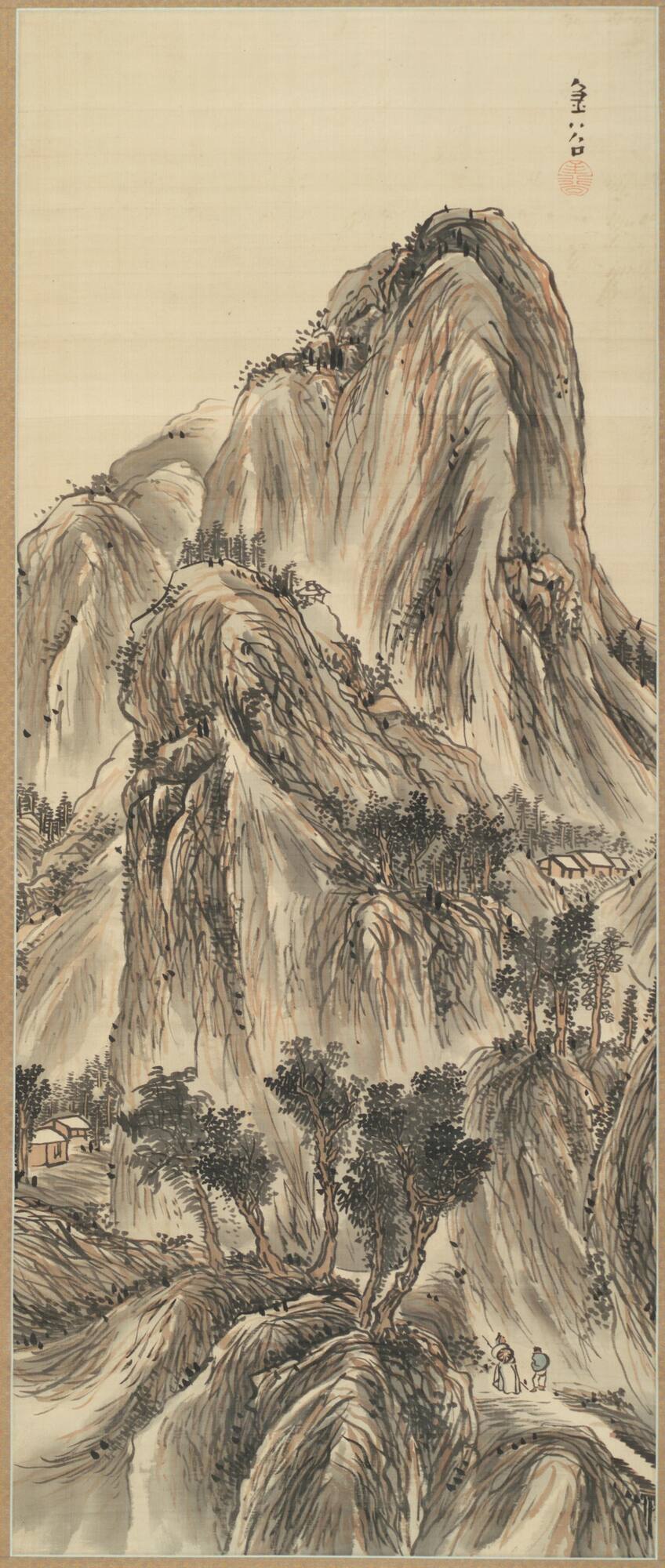
Yokoi Kinkoku

(Japanese, 1761–1832)

Mountain landscape with scholar and servant on a path
View All Works

Object Details

Artist

Yokoi Kinkoku

Date

Edo Period (1615-1868)

Medium

Hanging scroll: ink and colors on silk

Dimensions

Image: 47 1/2 × 19 5/8 inches (120.7 × 49.8 cm)

Credit Line

Gift of Dr. and Mrs. Frederick Baekeland

Object
Number

2000.136.001

Nanga painter and haiku poet Kinkoku was a Jodo (Pure Land) Buddhist monk by the age of nine, living(…)

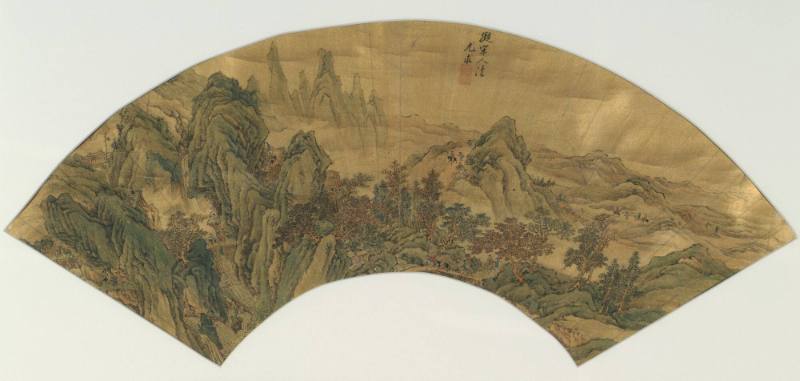
Nanga painter and haiku poet Kinkoku was a Jodo (Pure Land) Buddhist monk by the age of nine, living in a temple in Osaka and Tokyo before becoming head priest of Gokurakuji on Mount Kinkoku, from which he took his artistic name. After the temple was destroyed by fire in 1788, Kinkoku traveled as an itinerant priest and painter. He was a disciple of Yosa Buson (1716–1784). This landscape exemplifies the maturity of Kinkoku’s painting style when he turned to mountain subject matters after a pilgrimage to Mount Omine in 1804. The style of painting was probably influenced by his teacher Yosa Buson, who also painted a handscroll of The Pinnacles of Mount Omei based on a poem by Tang dynasty poet Li Ba. Although both the composition and brushworks of the painting clearly demonstrate its Chinese influences, especially the literati painting tradition of the Yuan and Ming periods, the bold use of both long and short hemp fiber strokes by Kinkoku created not only dramatic mountain surfaces and a splendid landscape, but also a unique personal style. (“Tradition, Transmission, and Transformation in East Asian Art,” curated by Cornell PhD student Yuhua Ding under the supervision of Ellen Avril and presented at the Johnson Museum January 23-June 12, 2016)
Discover More

Bamboo with Rocks

Kim Gyu-jin

Clouds over the Hillside

Charles Courtney Curran

Untitled

A. R. Ammons

#18

Bradley Walker Tomlin

Create an account

Please take a moment to fill your information to create your account.

Reset Password

Lost your password? Please enter your email address. You will receive mail with link to set new password.

Save Artwork

Save the artwork in any of your exhibitions or create a new one.

You have not made any exhibitions.

Create New Exhibition

Create New Exhibition