

Search

A concrete cantilevered building against blue sky and green landscaping

Museum gallery with art from China

A museum interior space with paintings and concrete walls and stairs

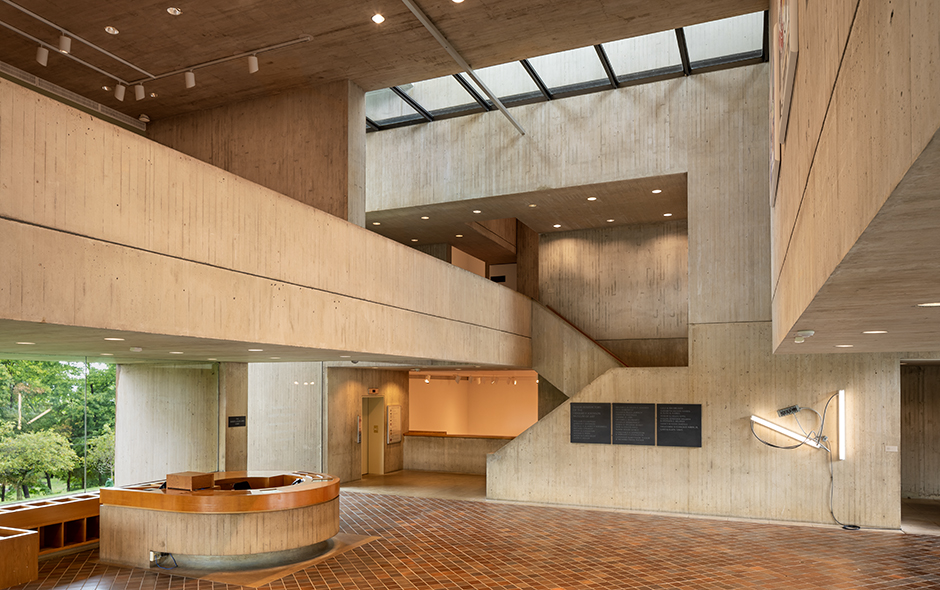
A concrete-walled lobby with windows, a tiled floor, and a circular desk

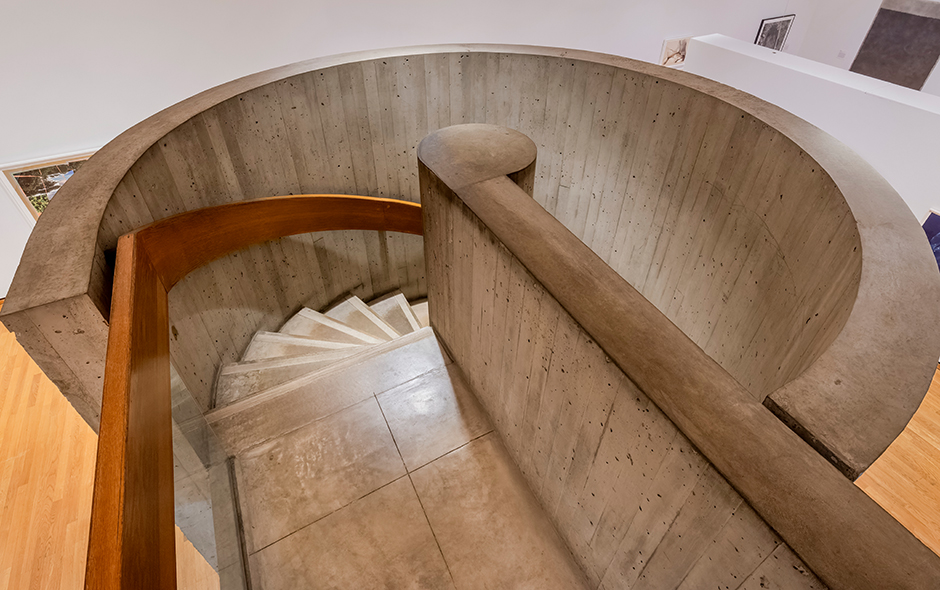
The top of a concrete spiral staircase with a wooden railing

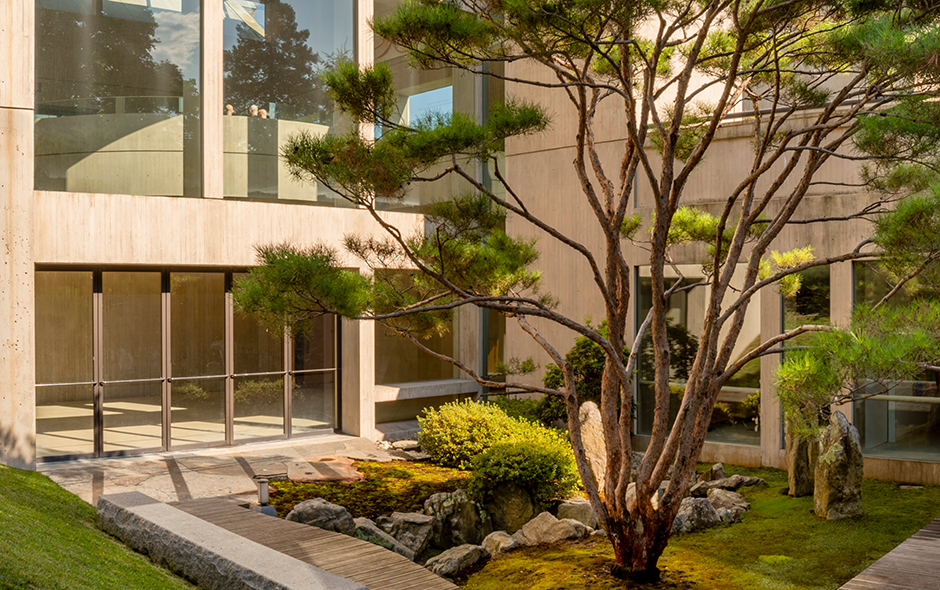
A tall tree is the focal point of a garden in between two concrete buildings

About arrow_back

Admission for everyone is always free! Check here for current hours and more.

A concrete cantilevered building against blue sky and green landscaping

Collections arrow_back

Questions?

Our online database is experiencing intermittent technical difficulties. You can email museum@cornell.edu if you need assistance with your research inquiry while we work to resolve the issue.


Museum gallery with art from China

Exhibitions arrow_back

Check out what’s on view this season at the Museum and look back through our history.

A museum interior space with paintings and concrete walls and stairs

Events arrow_back

Free events for everyone, plus special programs for students, families, and more!

A concrete-walled lobby with windows, a tiled floor, and a circular desk

Learn arrow_back

The Johnson Museum actively contributes to the intellectual life of our campus and community.

The top of a concrete spiral staircase with a wooden railing

Support arrow_back

Help the Johnson Museum continue its legacy by making a gift today.

A tall tree is the focal point of a garden in between two concrete buildings

Huang Binhong

(Chinese, 1864–1955)

Ink Landscape

View All Works

Object Details

Artist

Huang Binhong

Date

1943

Medium

Hanging scroll: ink on paper

Dimensions

28 1/2 × 16 inches (72.4 × 40.6 cm)

Credit Line

Gift Dr. and Mrs. Frederick Baekeland

Object
Number

2000.136.004

Huang Binhong was one of the most influential Chinese artists of the twentieth century, excelling at(…)

Huang Binhong was one of the most influential Chinese artists of the twentieth century, excelling at both landscape and flower painting. In landscape he was influenced by the seventeenth century individualists Kuncan (1612-1673) and Shitao (1642-1707), but developed his own unique style. Huang also advocated for the central role of Chinese traditional arts—literati painting in particular—in guiding the general direction of China’s modernization during the late nineteenth and early twentieth century. This painting reflects Huang’s early style. As an anti-Manchu activist Huang was strongly influenced by Ming loyalist artists, especially the Xin’an school of painters, who used simple, desolate brushwork and noble-minded, picturesque scenes to convey an unbending and refined spirit. By contrast, Huang’s later work goes beyond such Han nationalism, to encourage a universal literati reform that expresses a freer, more individual style. The later mode was characterized by application of massive and intricate brushwork, strong contrasts of dark and light, and the use of vigorous, wet ink strokes in complex compositions. (“Debating Art: Chinese Intellectuals at the Crossroads,” curated by Yuhua Ding, with assistance by Elizabeth Emrich, and presented at the Johnson Museum February 2-July 8, 2018)
Discover More

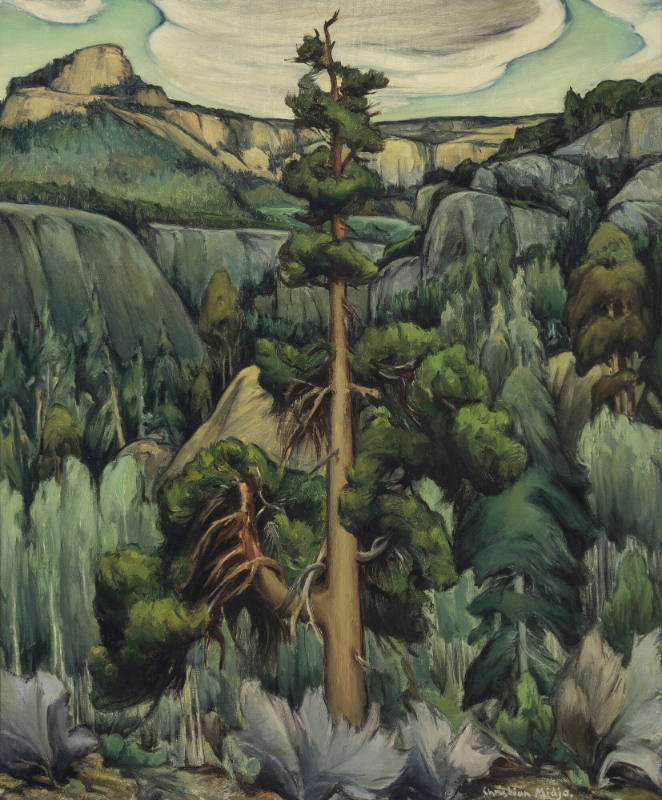
Evergreen

Christian Martinius Susseg Midjo

Sonnets #IX

C. Ronald Bechtle

Create an account

Please take a moment to fill your information to create your account.

Reset Password

Lost your password? Please enter your email address. You will receive mail with link to set new password.

Save Artwork

Save the artwork in any of your exhibitions or create a new one.

You have not made any exhibitions.

Create New Exhibition

Create New Exhibition