

Search

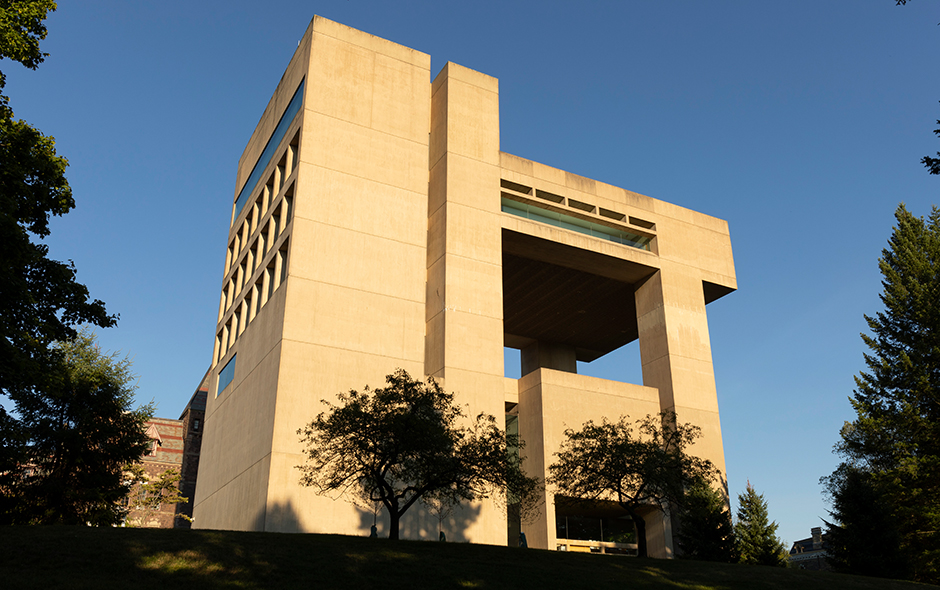
A concrete cantilevered building against blue sky and green landscaping

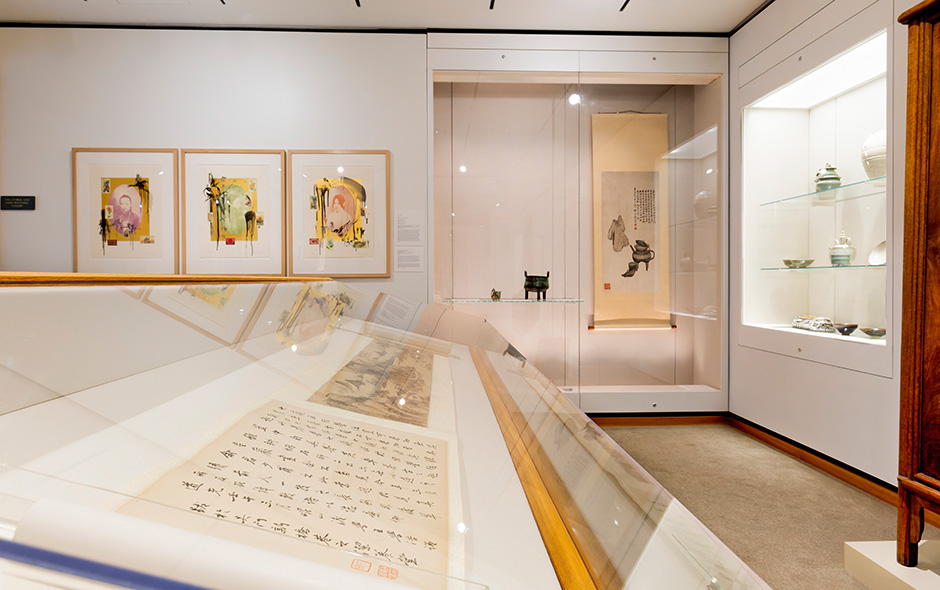
Museum gallery with art from China

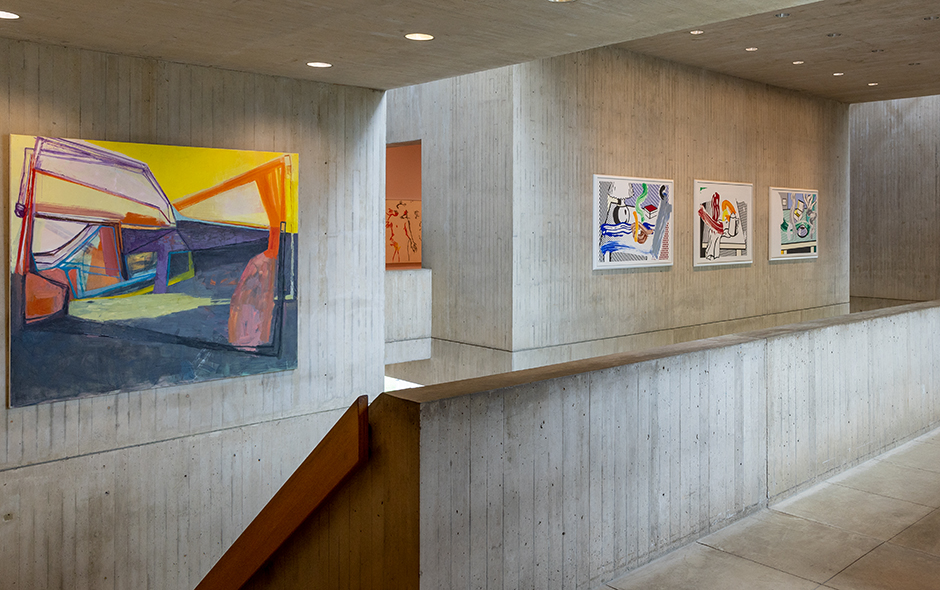
A museum interior space with paintings and concrete walls and stairs

A concrete-walled lobby with windows, a tiled floor, and a circular desk

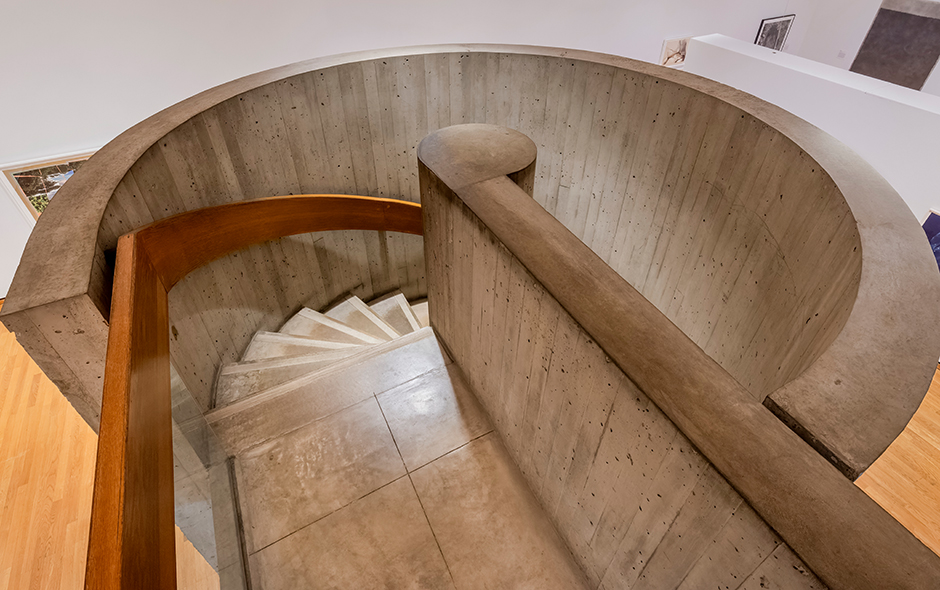
The top of a concrete spiral staircase with a wooden railing

A tall tree is the focal point of a garden in between two concrete buildings

About arrow_back

Admission for everyone is always free! Check here for current hours and more.

A concrete cantilevered building against blue sky and green landscaping

Collections arrow_back

Questions?

Our online database is experiencing intermittent technical difficulties. You can email museum@cornell.edu if you need assistance with your research inquiry while we work to resolve the issue.


Museum gallery with art from China

Exhibitions arrow_back

Check out what’s on view this season at the Museum and look back through our history.

A museum interior space with paintings and concrete walls and stairs

Events arrow_back

Free events for everyone, plus special programs for students, families, and more!

A concrete-walled lobby with windows, a tiled floor, and a circular desk

Learn arrow_back

The Johnson Museum actively contributes to the intellectual life of our campus and community.

The top of a concrete spiral staircase with a wooden railing

Support arrow_back

Help the Johnson Museum continue its legacy by making a gift today.

A tall tree is the focal point of a garden in between two concrete buildings

Albrecht Dürer

(German, 1471–1528)

The Four Horsemen of the Apocalypse, from the Apocalypse (1498 German edition)

View All Works

Object Details

Artist

Albrecht Dürer

Date

1496-98

Medium

Woodcut on laid paper

Dimensions

Image/Sheet: 11 1/8 x 15 1/2 inches (28.3 x 39.4 cm)

Credit Line

Acquired through the Herbert F. Johnson, Class of 1922, Endowment

Object
Number

82.038.005

Apprenticed to the Nuremberg illustrator and publisher Michael Wolgemut in the 1480’s, Dürer quic(…)

Apprenticed to the Nuremberg illustrator and publisher Michael Wolgemut in the 1480’s, Dürer quickly learned the techniques of woodcut book illustration. His Apocalypse series is certainly indebted to similar series found in the Cologne Bible of 1497 and the Koberger Bible of 1493, but shows a new grandness of conception. Rather than combining text and illustration on the same sheet, Dürer placed the text on the reverse of his folio-sized sheets, composing a unified collection of multifaced narratives that encapsulates the prophecy, bringing it vividly to life even to those unable to read the texts.

The best-known of Dürer’s Apocalypse woodcuts, The Four Horseman illustrates the point in St. John’s prophecy when four figures representing power over humanity, including the emaciated Death at lower left, appear as ghastly riders laying waste to the earth and its inhabitants. Dürer’s compelling composition, as well as his rhythmic use of sinuous and curving lines learned from his study of the engravings of Martin Schongauer, engraves this riveting scene on our eye, just as it must have done so to viewers five hundred years ago. Although in 1500 the Armageddon presaged in these vivid prints did not arrive, Dürer managed successfully to reprint the series in 1511.

(From “A Handbook of the Collection: Herbert F. Johnson Museum of Art,” 1998)

Discover More

Create an account

Please take a moment to fill your information to create your account.

Reset Password

Lost your password? Please enter your email address. You will receive mail with link to set new password.

Save Artwork

Save the artwork in any of your exhibitions or create a new one.

You have not made any exhibitions.

Create New Exhibition

Create New Exhibition