


Search

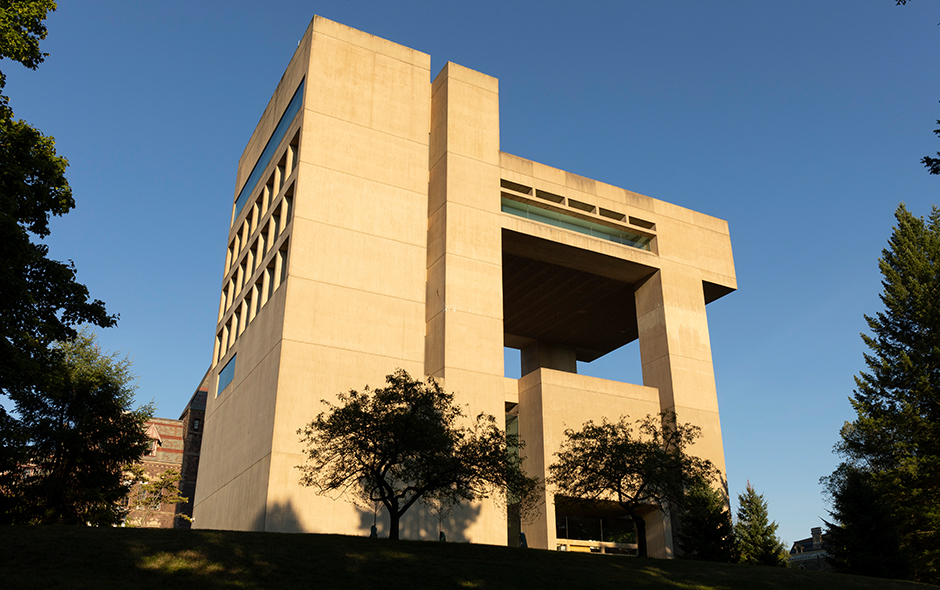
A concrete cantilevered building against blue sky and green landscaping

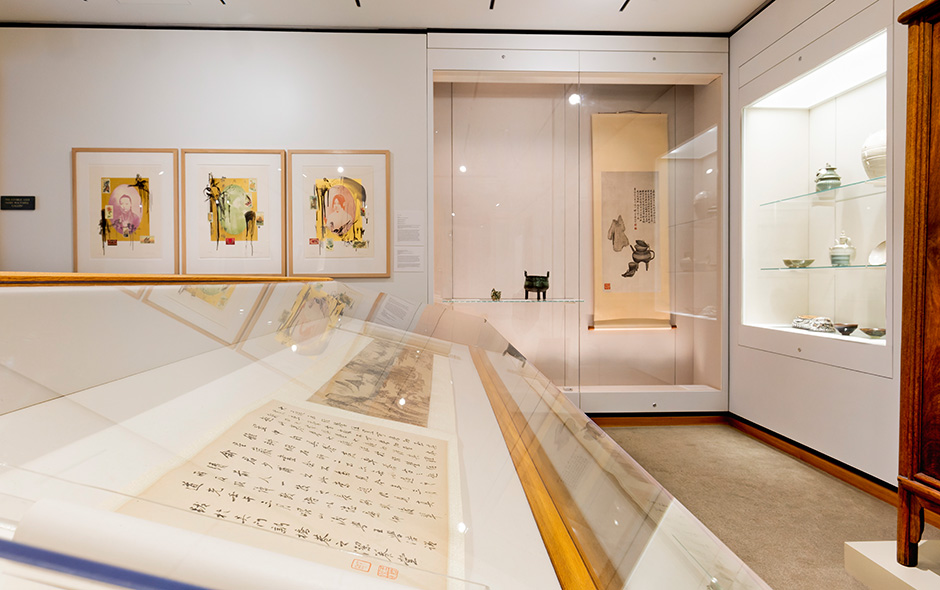
Museum gallery with art from China

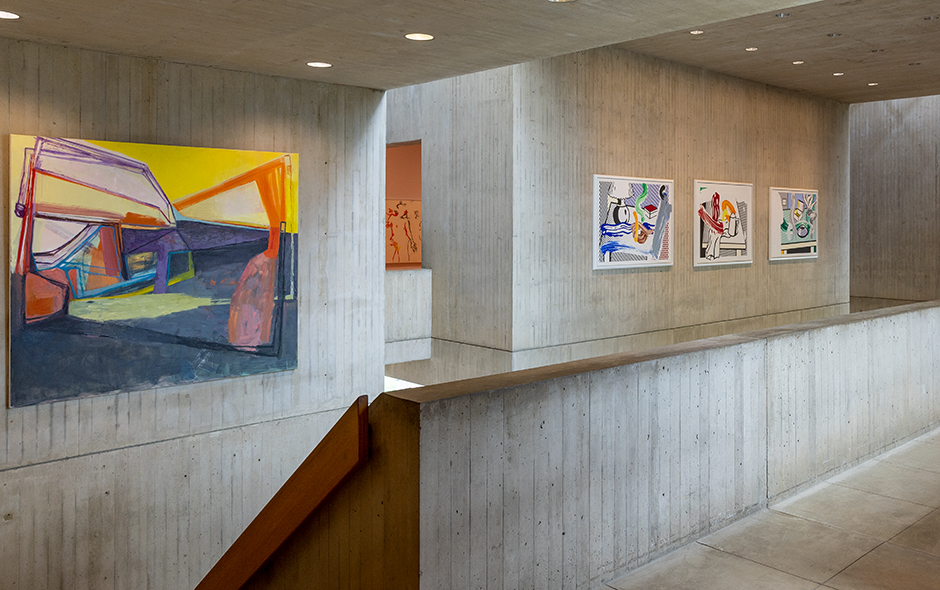
A museum interior space with paintings and concrete walls and stairs

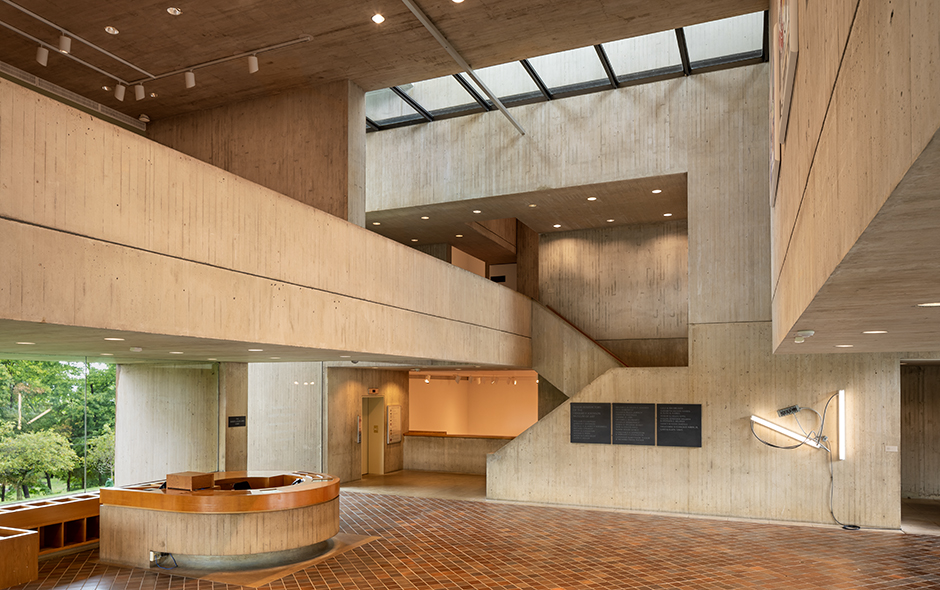
A concrete-walled lobby with windows, a tiled floor, and a circular desk

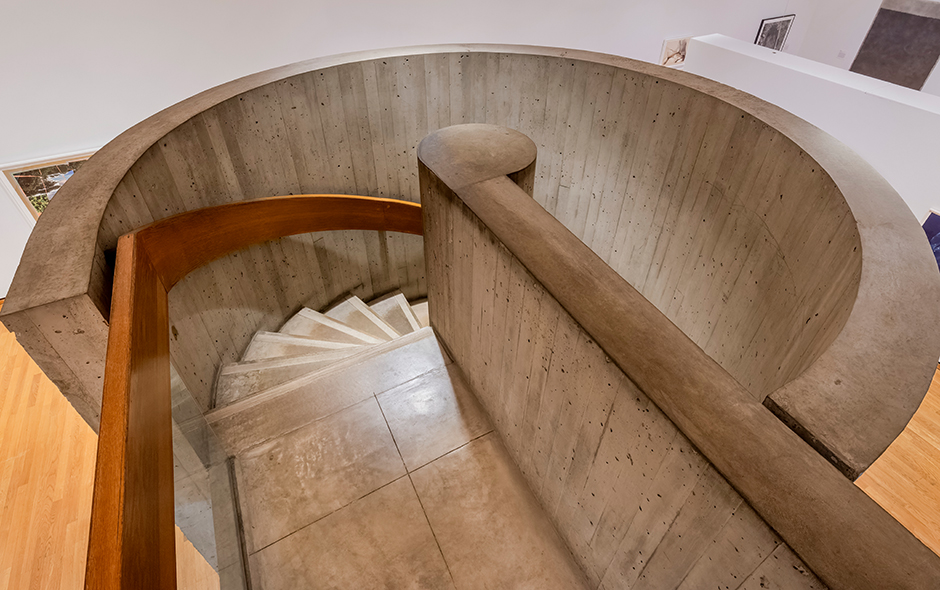
The top of a concrete spiral staircase with a wooden railing

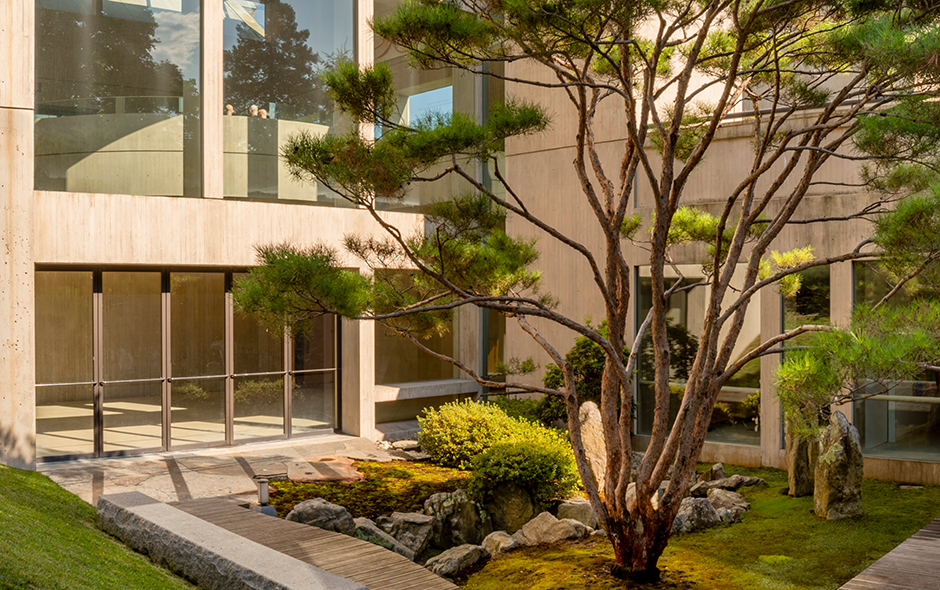
A tall tree is the focal point of a garden in between two concrete buildings

About arrow_back

Admission for everyone is always free! Check here for current hours and more.

A concrete cantilevered building against blue sky and green landscaping

Collections arrow_back

The Johnson Museum holds more than 40,000 works in its collection from around the world.

Museum gallery with art from China

Exhibitions arrow_back

Check out what’s on view this season at the Museum and look back through our history.

A museum interior space with paintings and concrete walls and stairs

Events arrow_back

Free events for everyone, plus special programs for students, families, and more!

A concrete-walled lobby with windows, a tiled floor, and a circular desk

Learn arrow_back

The Johnson Museum actively contributes to the intellectual life of our campus and community.

The top of a concrete spiral staircase with a wooden railing

Support arrow_back

Help the Johnson Museum continue its legacy by making a gift today.

A tall tree is the focal point of a garden in between two concrete buildings

Martin Schongauer

(Alsatian, ca. 1430–1491)

Christ before Pilate, from The Passion

View All Works

Object Details

Artist

Martin Schongauer

Date

ca. 1480

Medium

Engraving

Dimensions

Image: 6 3/8 x 4 5/8 inches (16.2 x 11.8 cm)
Sheet: 6 7/16 x 4 9/16 inches (16.4 x 11.6 cm)

Credit Line

Acquired through the Membership Purchase Fund

Object
Number

78.082

Like his contemporary Andrea Mantegna in Italy, Martin Schongauer was a technical innovator in north(…)

Like his contemporary Andrea Mantegna in Italy, Martin Schongauer was a technical innovator in northern printmaking, codifying in his oeuvre a new language of burin strokes that presented a naturalistic gradation from light to shadow, and leaving behind the more schematic engraving techniques of his predecessors. Also, as suggested by the parallel semicircular lines on the back of Pilate’s throne, Schongauer is thought to have initiated the practice of keeping the burin still while rotating the plate in order to achieve curved lines, a practice which was widely adopted by subsequent engravers like Albrecht Dürer. It was these skills that allowed northern engraving for the first time to approach the subtlety of painting, bringing a verisimilitude and psychological range to prints. In this scene from the Passion narrative, Christ is brought before the Roman governor Pontius Pilate, who holds the ultimate power of life or death over him. Although he fails to find any compelling reason why Christ should be put to death, Pilate gives Christ over to his persecutors by washing his hands of him. Drawing on a familiar technique for depicting Christ’s captivity before his crucifixion, Schongauer contrasts the humble yet upright figure of Christ with the twisted and bent poses of his captors, casting their faces as boorish caricatures. (From “A Handbook of the Collection: Herbert F. Johnson Museum of Art,” 1998)

Discover More

Sleeping Shepherd

Samuel Palmer

Mytton Hall

Francis Seymour Haden

Turkish Band

Marius Alexander Jacques Bauer

Create an account

Please take a moment to fill your information to create your account.

Reset Password

Lost your password? Please enter your email address. You will receive mail with link to set new password.

Save Artwork

Save the artwork in any of your exhibitions or create a new one.

You have not made any exhibitions.

Create New Exhibition

Create New Exhibition