

Search

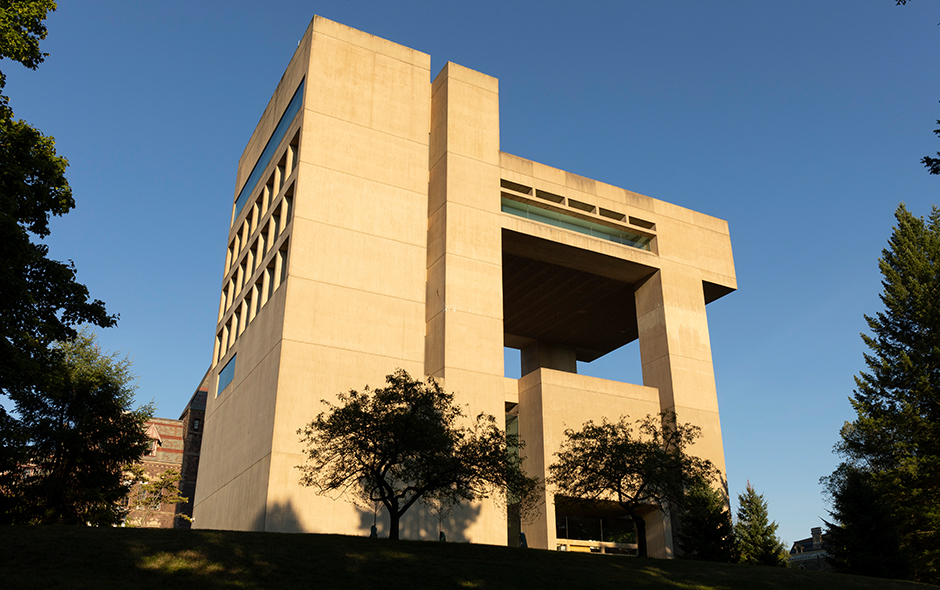
A concrete cantilevered building against blue sky and green landscaping

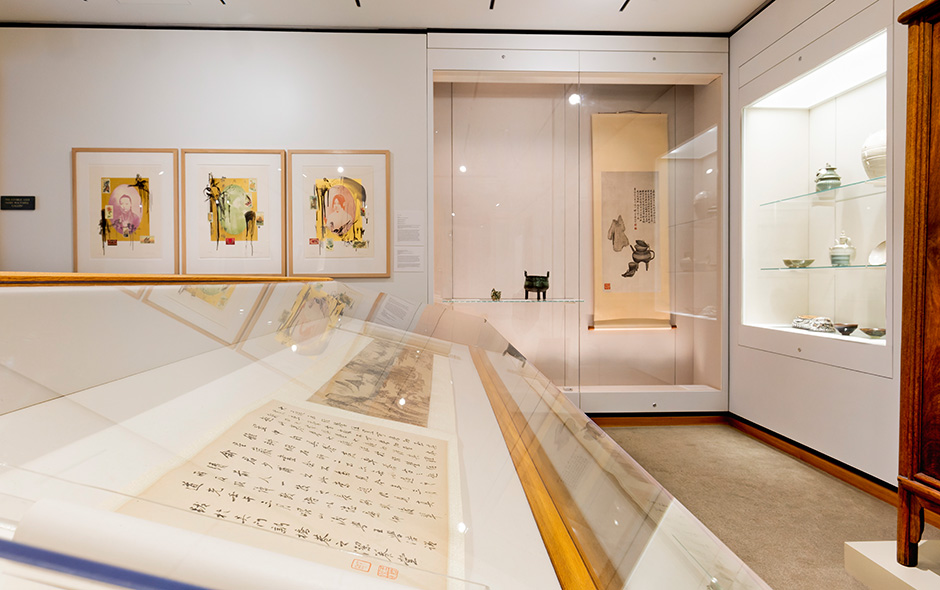
Museum gallery with art from China

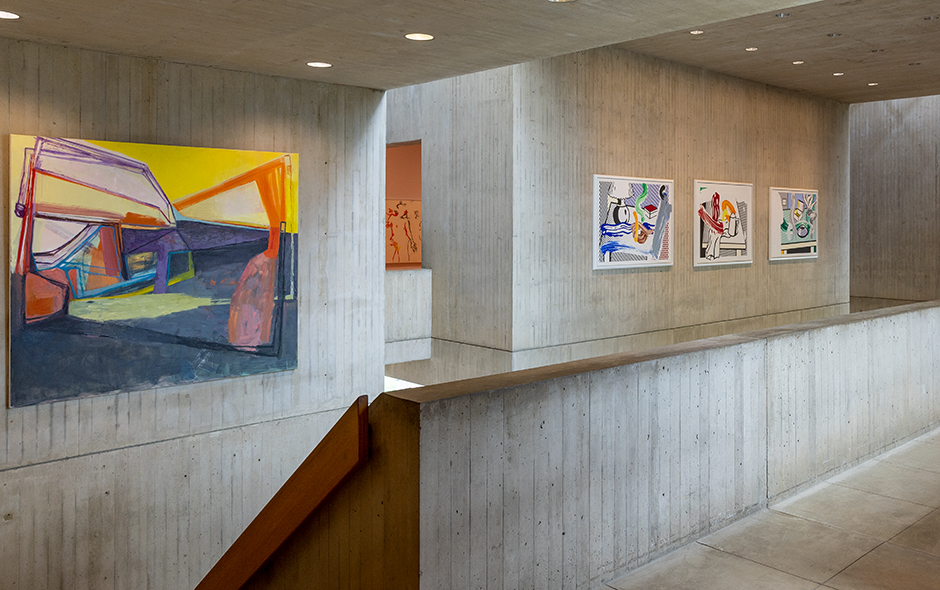
A museum interior space with paintings and concrete walls and stairs

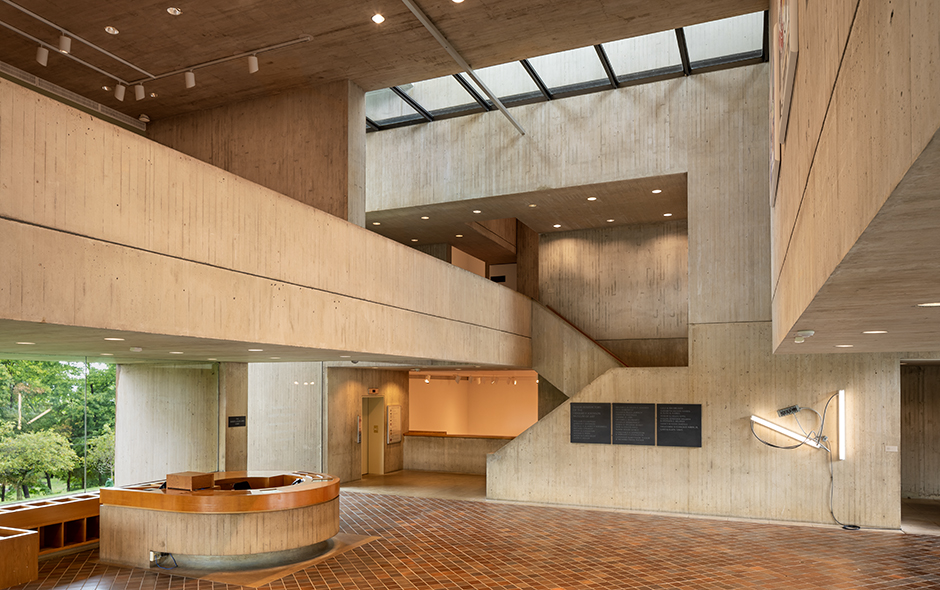
A concrete-walled lobby with windows, a tiled floor, and a circular desk

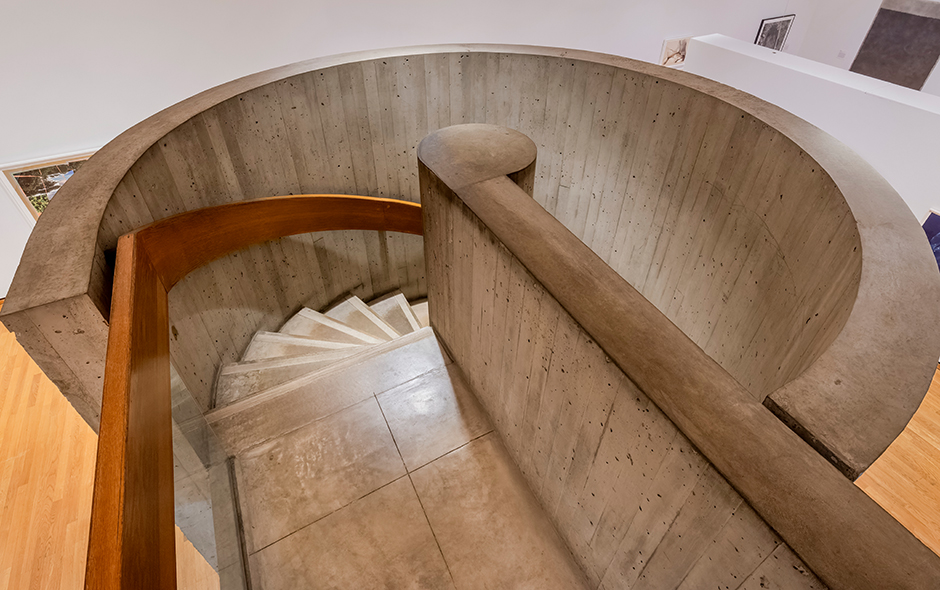
The top of a concrete spiral staircase with a wooden railing

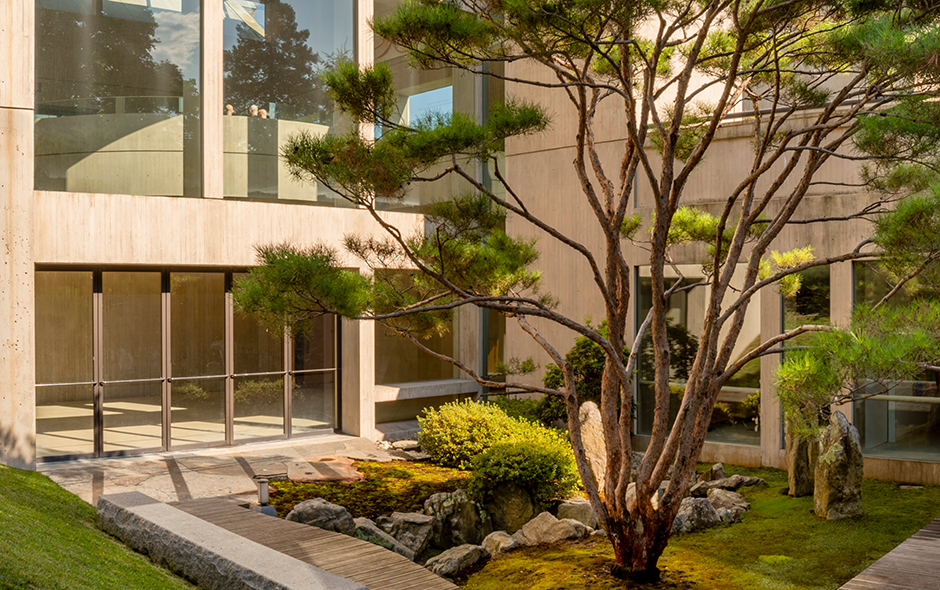
A tall tree is the focal point of a garden in between two concrete buildings

About arrow_back

Admission for everyone is always free! Check here for current hours and more.

A concrete cantilevered building against blue sky and green landscaping

Collections arrow_back

The Johnson Museum holds more than 40,000 works in its collection from around the world.

Museum gallery with art from China

Exhibitions arrow_back

Check out what’s on view this season at the Museum and look back through our history.

A museum interior space with paintings and concrete walls and stairs

Events arrow_back

Free events for everyone, plus special programs for students, families, and more!

A concrete-walled lobby with windows, a tiled floor, and a circular desk

Learn arrow_back

The Johnson Museum actively contributes to the intellectual life of our campus and community.

The top of a concrete spiral staircase with a wooden railing

Support arrow_back

Help the Johnson Museum continue its legacy by making a gift today.

A tall tree is the focal point of a garden in between two concrete buildings

China

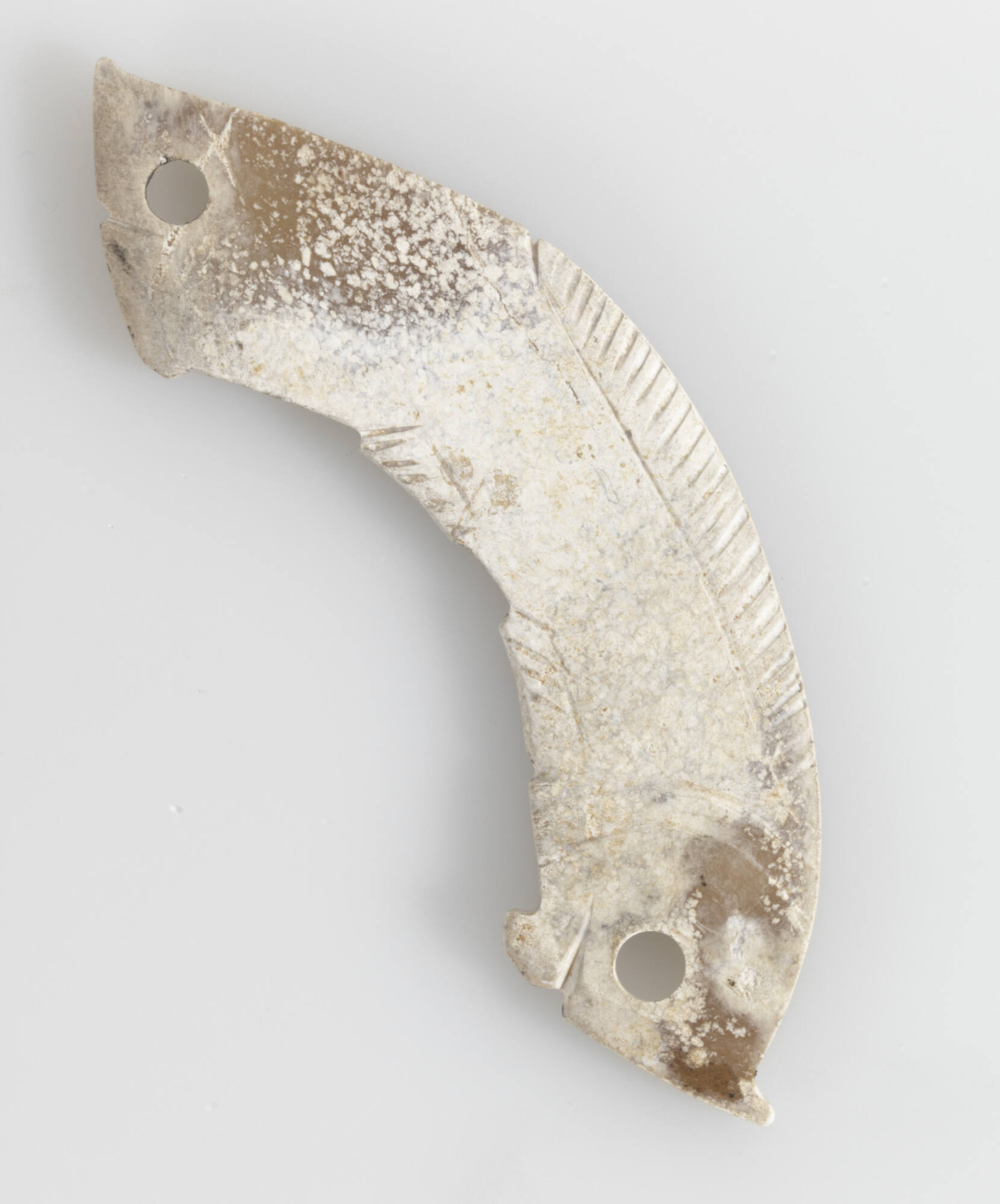
Pendant in the form of fish

View All Works

Object Details

Culture

China

Date

Shang dynasty, ca. 1200 BC

Medium

Carved jade with chicken bone surface

Dimensions

Height: 3 inches (7.6 cm)

Credit Line

George and Mary Rockwell Collection

Object
Number

88.002.234

WHERE WAS IT MADE?Shang and Western Zhou dynasty jade pendants were made in central China, in the vi(…)

WHERE WAS IT MADE?Shang and Western Zhou dynasty jade pendants were made in central China, in the vicinity of Anyang and Zhengzhou, in Henan province.HOW WAS IT MADE?The hardness of jade makes it one of the most difficult stones to work, requiring even harder stones such as quartzite or diamonds to abrade it. That Neolithic cultures such as the Liangzhu were able to fashion such refined “carved” jade items is nothing short of amazing considering the primitive tools at their disposal. Hand saws or gut-string saws would have first been used to cut or slice the jade into a workable form, then simple awls and drills, perhaps made of bamboo, with points or disks likely made of quartzite, would have been employed to drill holes and to form intaglio and relief designs. Finally, the piece would be polished using abrasives.HOW WAS IT USED?Jade pendants and other ornaments were found in burials and seem to have been made specifically for adorning the corpse. Jade, venerated since the Neolithic period, has been continuously prized throughout China’s long history. Jade was thought to have magical properties and its luster, translucency and hardness were considered to embody virtues such as benevolence, integrity and courage.
Create an account

Please take a moment to fill your information to create your account.

Reset Password

Lost your password? Please enter your email address. You will receive mail with link to set new password.

Save Artwork

Save the artwork in any of your exhibitions or create a new one.

You have not made any exhibitions.

Create New Exhibition

Create New Exhibition