


Search

A concrete cantilevered building against blue sky and green landscaping

Museum gallery with art from China

A museum interior space with paintings and concrete walls and stairs

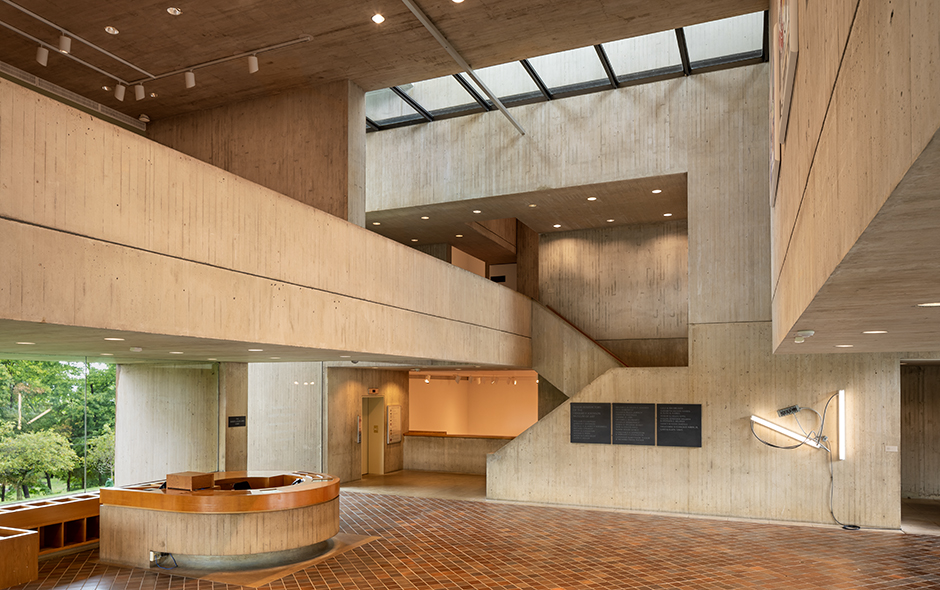
A concrete-walled lobby with windows, a tiled floor, and a circular desk

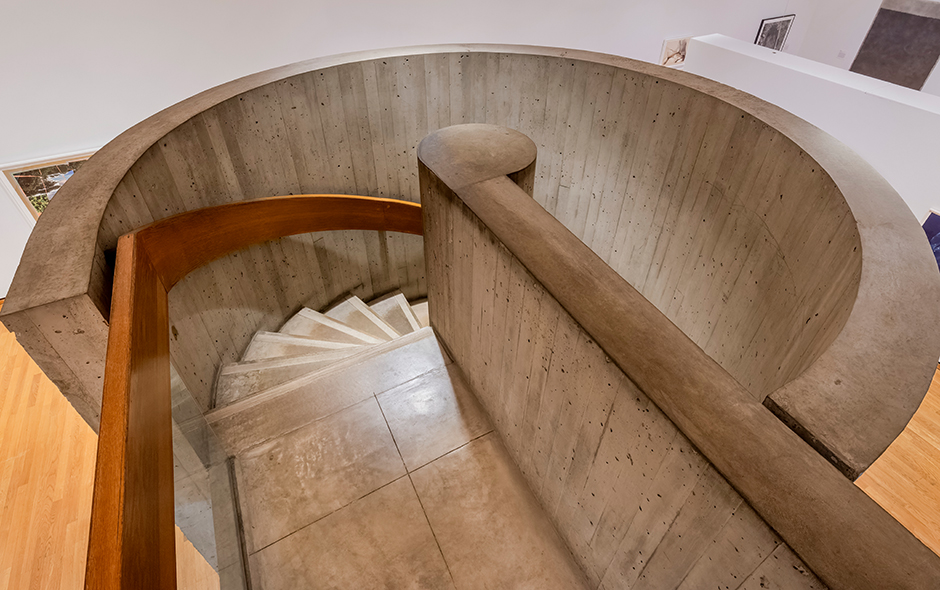
The top of a concrete spiral staircase with a wooden railing

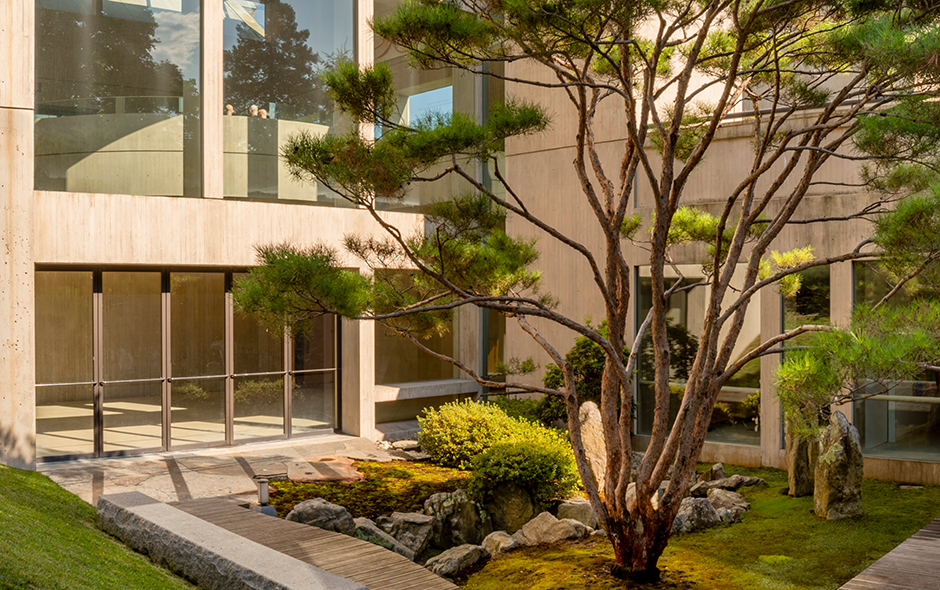
A tall tree is the focal point of a garden in between two concrete buildings

About arrow_back

Admission for everyone is always free! Check here for current hours and more.

A concrete cantilevered building against blue sky and green landscaping

Collections arrow_back

The Johnson Museum holds more than 40,000 works in its collection from around the world.

Museum gallery with art from China

Exhibitions arrow_back

Check out what’s on view this season at the Museum and look back through our history.

A museum interior space with paintings and concrete walls and stairs

Events arrow_back

Free events for everyone, plus special programs for students, families, and more!

A concrete-walled lobby with windows, a tiled floor, and a circular desk

Learn arrow_back

The Johnson Museum actively contributes to the intellectual life of our campus and community.

The top of a concrete spiral staircase with a wooden railing

Support arrow_back

Help the Johnson Museum continue its legacy by making a gift today.

A tall tree is the focal point of a garden in between two concrete buildings

José Guadalupe Posada

(Mexican, 1852–1913)

La Calavera de Madero

View All Works

Object Details

Artist

José Guadalupe Posada

Date

1910

Medium

Metal relief print on ivory wove paper

Dimensions

Image: 11 3/4 x 5 1/4 inches (29.8 x 13.3 cm)
Sheet: 16 1/2 x 11 3/4 inches (41.9 x 29.8 cm)

Credit Line

Gift of Theodore B. Donson, Class of 1960, and Marvel M. Griepp

Object
Number

98.112.001

A consummate troublemaker, Posada’s satirical images offered biting commentary on the social order(…)

A consummate troublemaker, Posada’s satirical images offered biting commentary on the social order of Mexico during the unsettled years leading up to the Mexican Revolution. With his recurring use of the calavera (skeleton), Posada presents death as the great equalizer whose inevitable arrival undermines the power of the bourgeois and political classes. In La calavera de Madero, Mexico’s short-lived (1911–13) president Francisco Madero, who came from a wealthy family, is shown wearing traditional Mexican trappings—a sarape (woven shawl), huaraches (sandals), and a sombrero (broad- brimmed straw hat)—and holding a bottle of Aguardiente de Parras, a reference to his family’s maguey plantation and distillery. Not long after forcing the resignation of authoritarian dictator Porfirio Díaz and assuming the presidency with an astonishing ninety percent of voter support, Madero was ousted in a military coup led by general Victoriano Huerta and assassinated shortly thereafter. (“This is no Less Curious: Journeys through the Collection” cocurated by Sonja Gandert, Alexandra Palmer, and Alana Ryder and presented at the Johnson Museum January 24 – April 12, 2015)
Create an account

Please take a moment to fill your information to create your account.

Reset Password

Lost your password? Please enter your email address. You will receive mail with link to set new password.

Save Artwork

Save the artwork in any of your exhibitions or create a new one.

You have not made any exhibitions.

Create New Exhibition

Create New Exhibition