

Search

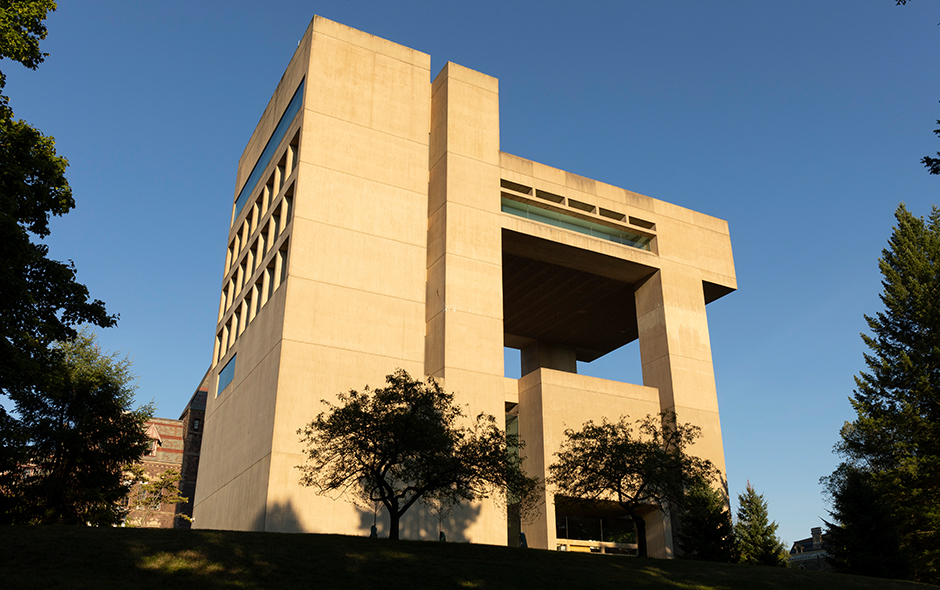
A concrete cantilevered building against blue sky and green landscaping

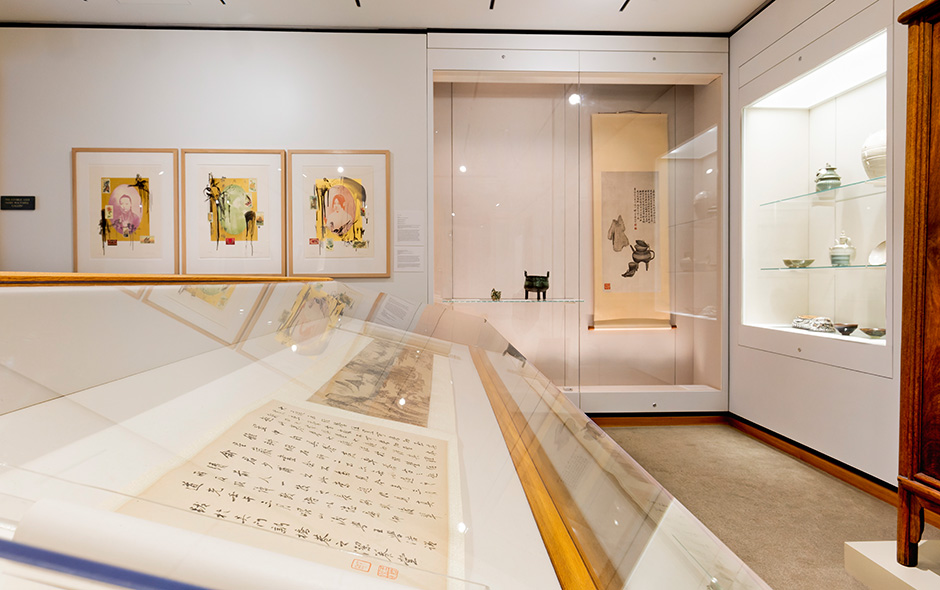
Museum gallery with art from China

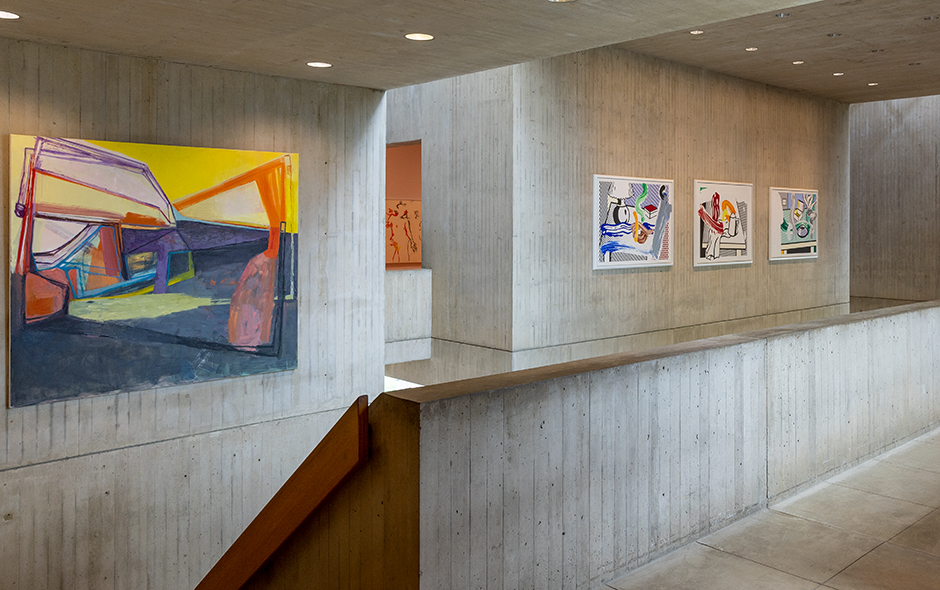
A museum interior space with paintings and concrete walls and stairs

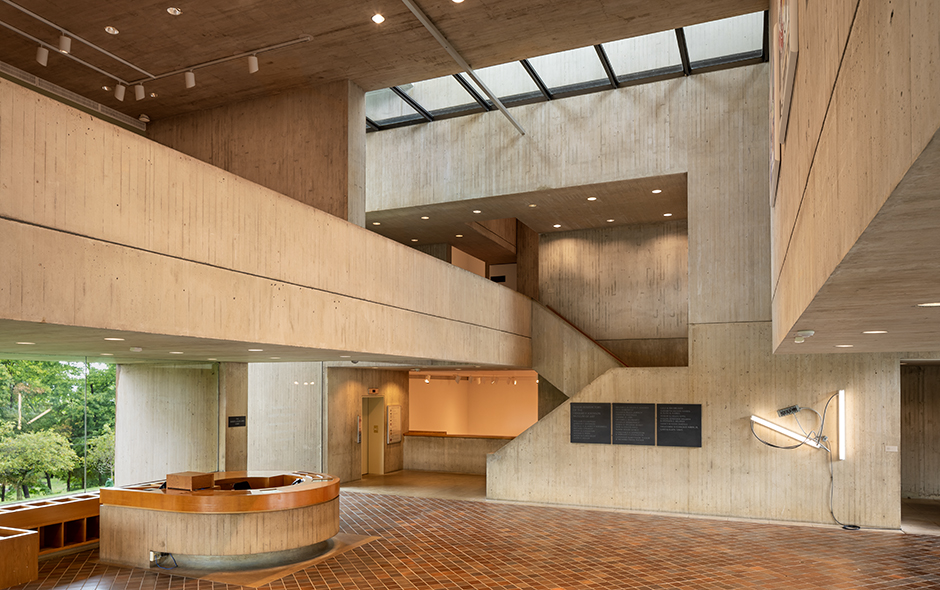
A concrete-walled lobby with windows, a tiled floor, and a circular desk

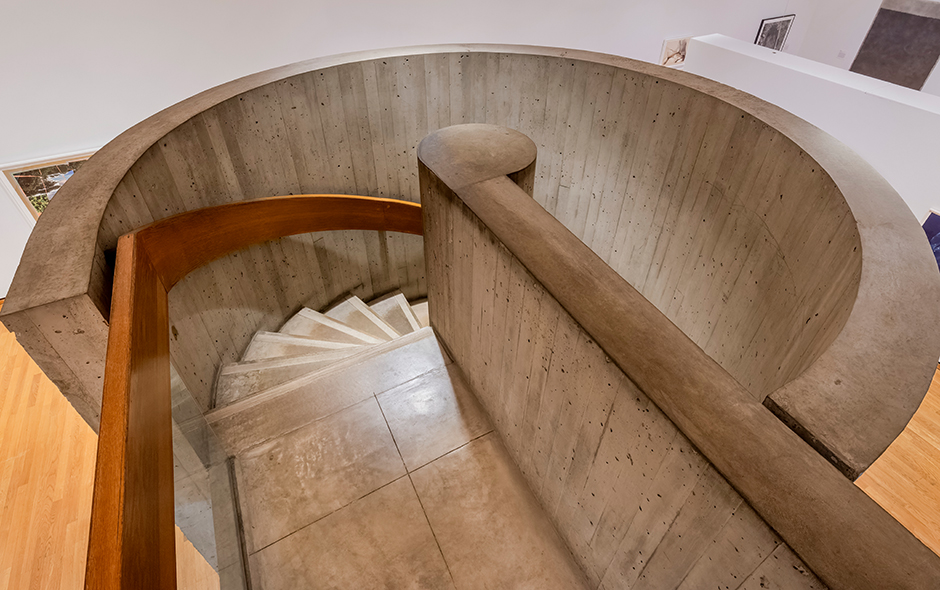
The top of a concrete spiral staircase with a wooden railing

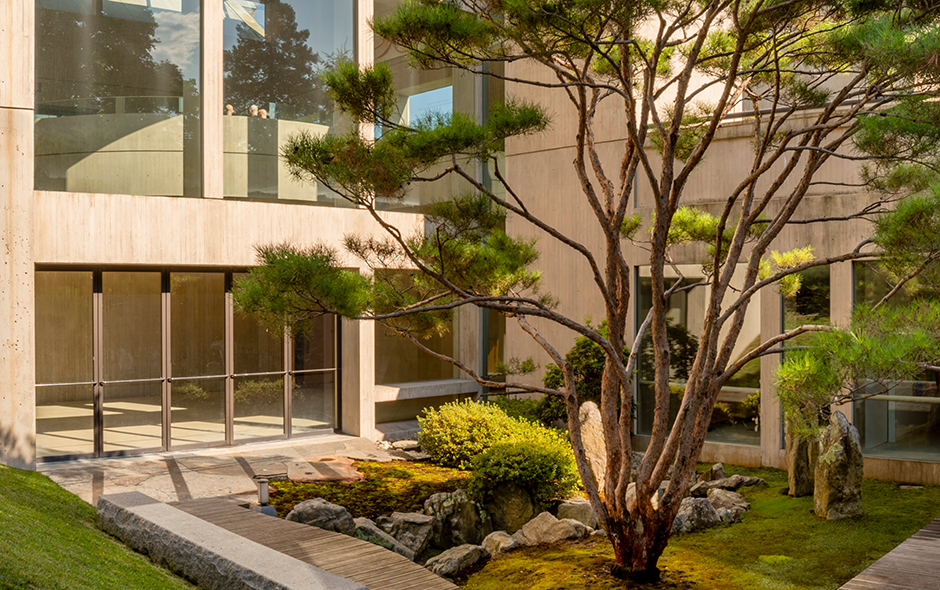
A tall tree is the focal point of a garden in between two concrete buildings

About arrow_back

Admission for everyone is always free! Check here for current hours and more.

A concrete cantilevered building against blue sky and green landscaping

Collections arrow_back

The Johnson Museum holds more than 40,000 works in its collection from around the world.

Museum gallery with art from China

Exhibitions arrow_back

Check out what’s on view this season at the Museum and look back through our history.

A museum interior space with paintings and concrete walls and stairs

Events arrow_back

Free events for everyone, plus special programs for students, families, and more!

A concrete-walled lobby with windows, a tiled floor, and a circular desk

Learn arrow_back

The Johnson Museum actively contributes to the intellectual life of our campus and community.

The top of a concrete spiral staircase with a wooden railing

Support arrow_back

Help the Johnson Museum continue its legacy by making a gift today.

A tall tree is the focal point of a garden in between two concrete buildings

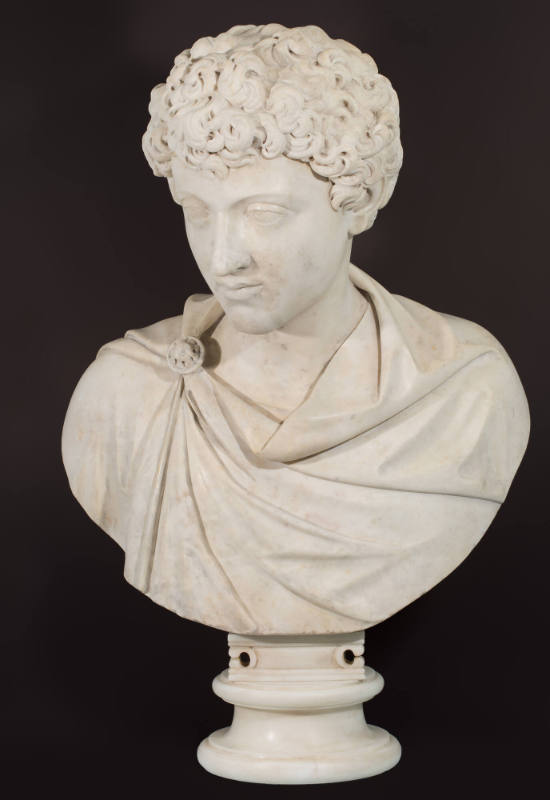
Kongo (Democratic Republic of Congo)

Staff finial

View All Works

Object Details

Culture

Kongo (Democratic Republic of Congo)

Medium

Ivory

Dimensions

7 3/4 x 2 3/4 x 3 inches (19.7 x 7 x 7.6 cm)

Credit Line

Gift of Drs. Lee and Connie Koppelman

Object
Number

93.039.012

BRIEF DESCRIPTIONThis ivory carving of a female figure once topped the staff of a Kuba chief.WHERE W(…)

BRIEF DESCRIPTIONThis ivory carving of a female figure once topped the staff of a Kuba chief.WHERE WAS IT MADE?This carving was made in the Democratic Republic of Congo. HOW WAS IT MADE?This was hand carved from a piece of ivory. Kuba ivory carvings are often rubbed with vegetable oil that has been colored with natural dyes, giving the surface a patina. Ivory, a relatively precious material, was often reserved for the making of objects used by prestigious individuals, such as chiefs and kings.HOW WAS IT USED?This carving topped a chief’s staff, a mvwala, and represented his legitimacy and power. The staff would have had a sharp tip, allowing it to be planted in the earth, thereby further symbolizing the chief as a realization of the ancestors’ approval.WHY DOES IT LOOK LIKE THIS?Notice how the female figure is kneeling. Many mvwala staffs depict a woman and child. In these cases, the woman represents the chief, and the child stands for the members of the dependant, yet nourished clan. On this staff finial, no child appears, but the symbolism is the same.

Discover More

Create an account

Please take a moment to fill your information to create your account.

Reset Password

Lost your password? Please enter your email address. You will receive mail with link to set new password.

Save Artwork

Save the artwork in any of your exhibitions or create a new one.

You have not made any exhibitions.

Create New Exhibition

Create New Exhibition