



Search

A concrete cantilevered building against blue sky and green landscaping

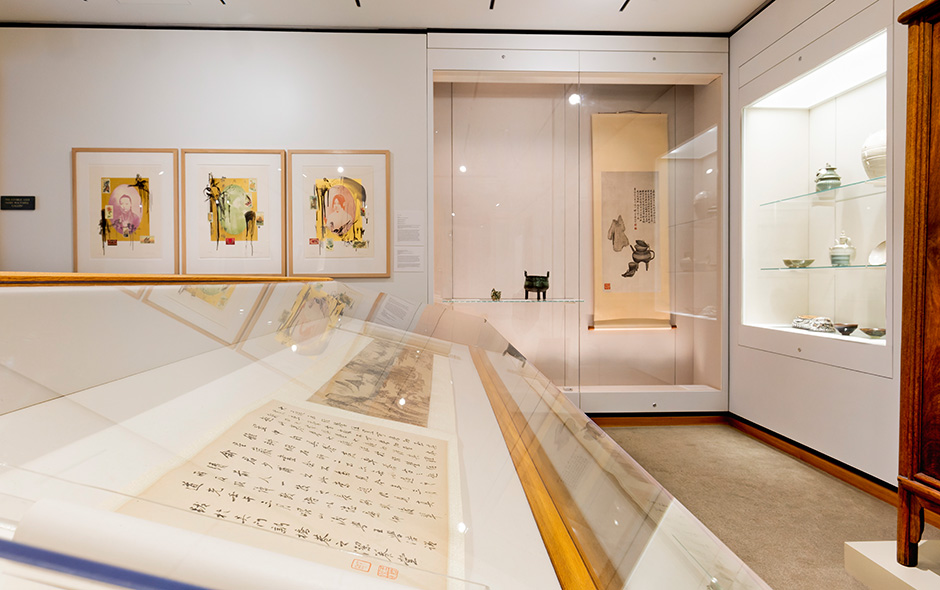
Museum gallery with art from China

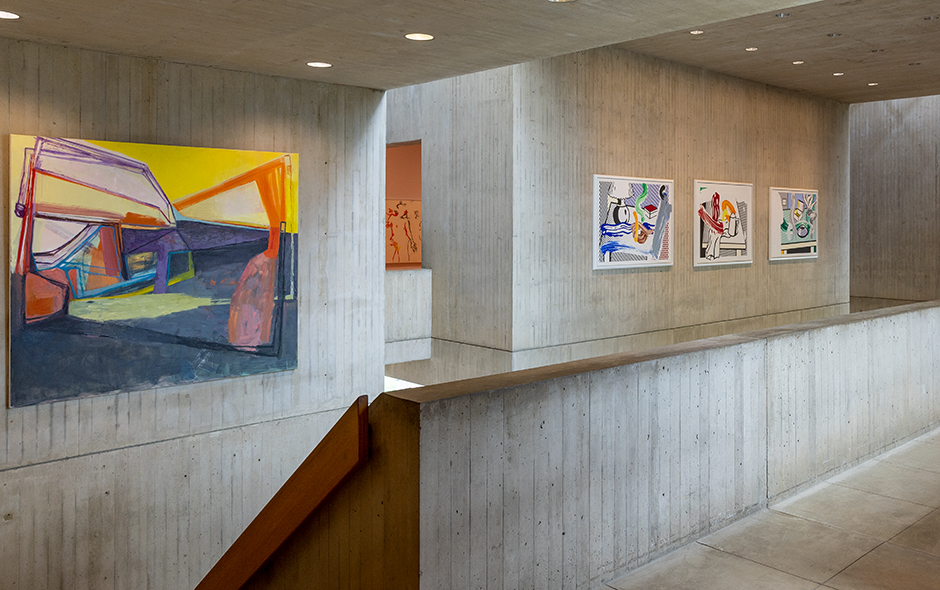
A museum interior space with paintings and concrete walls and stairs

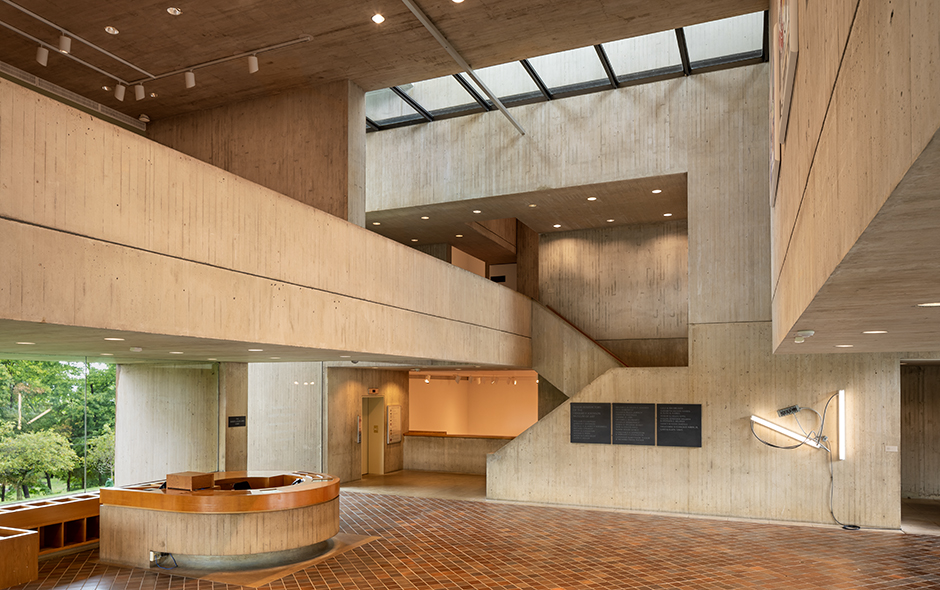
A concrete-walled lobby with windows, a tiled floor, and a circular desk

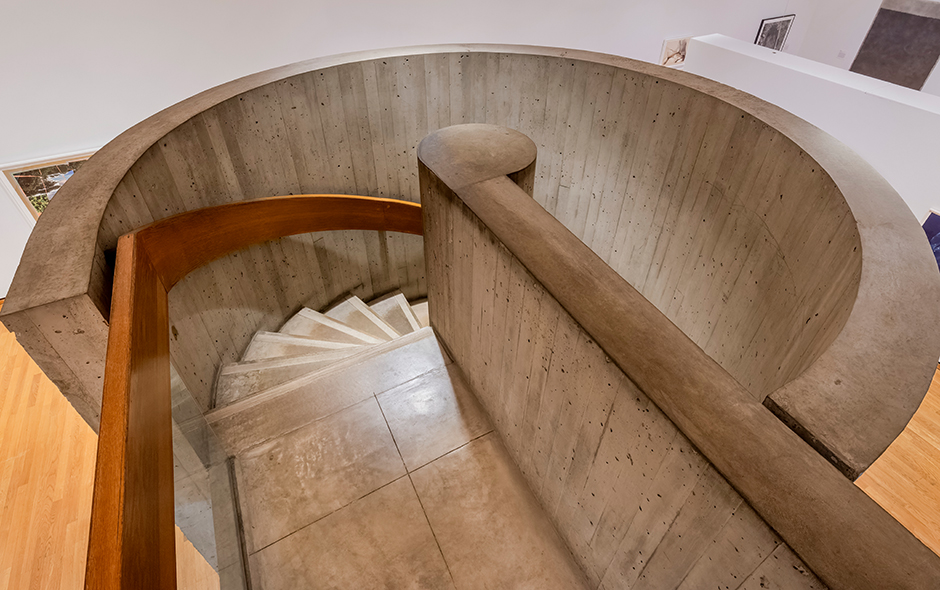
The top of a concrete spiral staircase with a wooden railing

A tall tree is the focal point of a garden in between two concrete buildings

About arrow_back

Admission for everyone is always free! Check here for current hours and more.

A concrete cantilevered building against blue sky and green landscaping

Collections arrow_back

The Johnson Museum holds more than 40,000 works in its collection from around the world.

Museum gallery with art from China

Exhibitions arrow_back

Check out what’s on view this season at the Museum and look back through our history.

A museum interior space with paintings and concrete walls and stairs

Events arrow_back

Free events for everyone, plus special programs for students, families, and more!

A concrete-walled lobby with windows, a tiled floor, and a circular desk

Learn arrow_back

The Johnson Museum actively contributes to the intellectual life of our campus and community.

The top of a concrete spiral staircase with a wooden railing

Support arrow_back

Help the Johnson Museum continue its legacy by making a gift today.

A tall tree is the focal point of a garden in between two concrete buildings

Igbo (Nigeria)

Chalk spoon (okwa nzu)

View All Works

Object Details

Culture

Igbo (Nigeria)

Medium

Wood, iron, and pigment

Dimensions

16 1/2 × 6 1/2 inches (41.9 × 16.5 cm)

Credit Line

Gift of Dorothy Brill Robbins, Class of 1933

Object
Number

92.075.002

BRIEF DESCRIPTIONAlthough called a spoon, this object lies flat and is used as a dish.WHERE WAS IT M(…)

BRIEF DESCRIPTIONAlthough called a spoon, this object lies flat and is used as a dish.WHERE WAS IT MADE?This was made in the southwest of Nigeria.HOW WAS IT MADE?This chalk spoon was hand carved from a piece of wood with hand tools such as an adze, knives, and chisels, and then painted with natural pigments.HOW WAS IT USED?Although this object is called a spoon because its handle suggests this function, it is actually made to lie flat and serves as a dish for chalk. The kola nut and chalk play an important role in Igbo hospitality rituals. These substances encourage better communication between people as well as between people and deities. Igbo people have thus fashioned special containers for kola nuts and chalk. Chalk and its white color are associated with purity, beauty, and sanctity. Pregnant women rub their bellies with chalk and devotees honor gods and ancestors at their altars with offerings of cones of white chalk. In rituals or at other important formal occasions, participants open the event by passing around a lump of chalk that they use to mark the ground or their bodies.WHY DOES IT LOOK LIKE THIS?Notice the anthropomorphic handle; it is primarily decorative, though some Igbo informants have suggested that it has ancestral associations.
Discover More

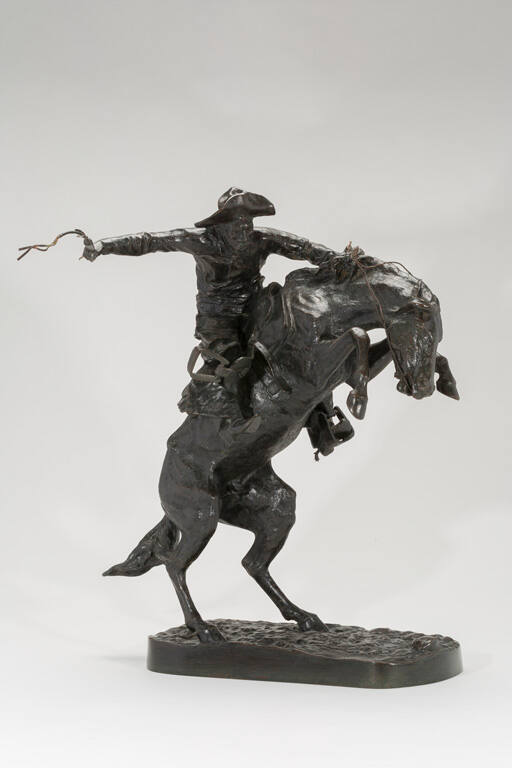
The Bronco Buster

Frederic Sackrider Remington

Tara

John DeAndrea

Create an account

Please take a moment to fill your information to create your account.

Reset Password

Lost your password? Please enter your email address. You will receive mail with link to set new password.

Save Artwork

Save the artwork in any of your exhibitions or create a new one.

You have not made any exhibitions.

Create New Exhibition

Create New Exhibition