Search

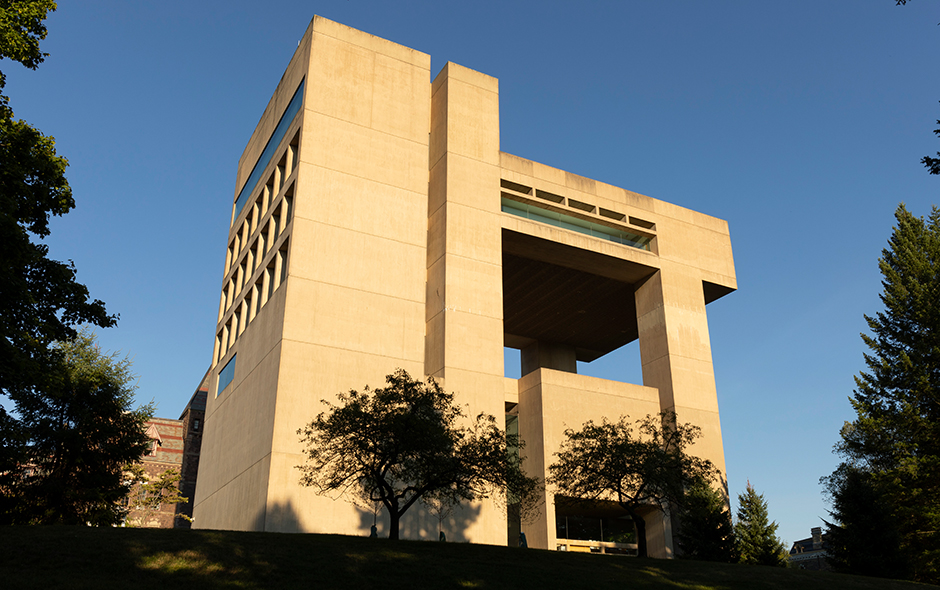
A concrete cantilevered building against blue sky and green landscaping

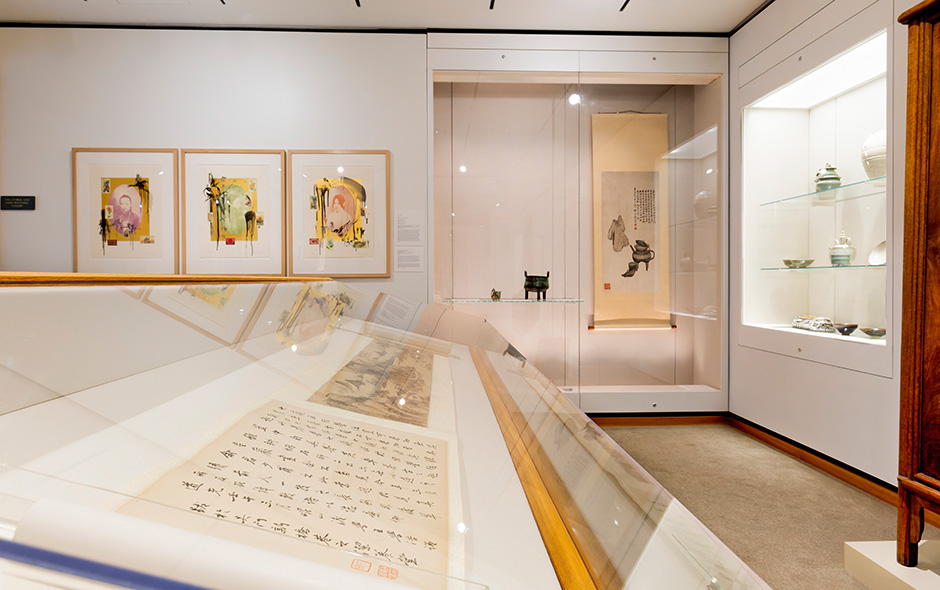
Museum gallery with art from China

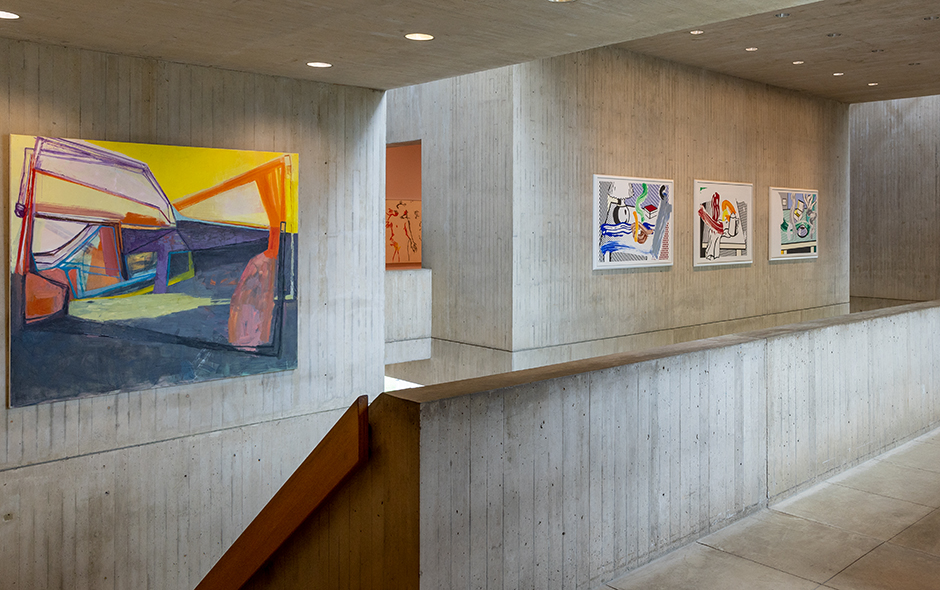
A museum interior space with paintings and concrete walls and stairs

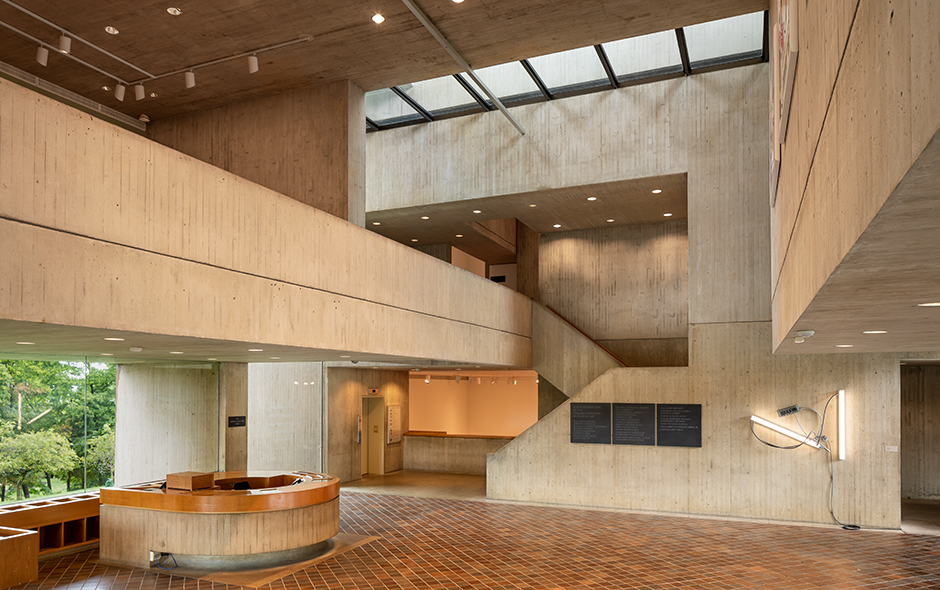
A concrete-walled lobby with windows, a tiled floor, and a circular desk

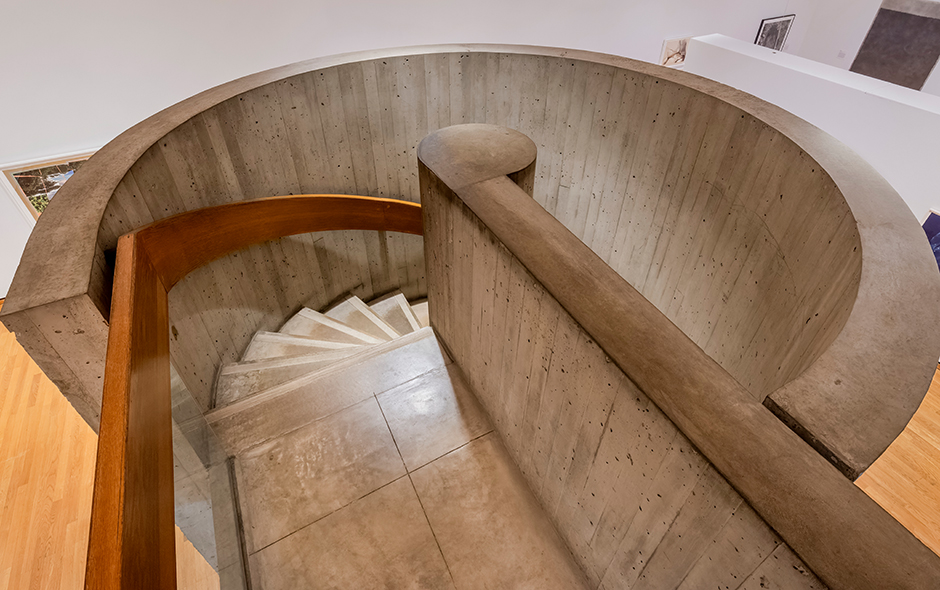
The top of a concrete spiral staircase with a wooden railing

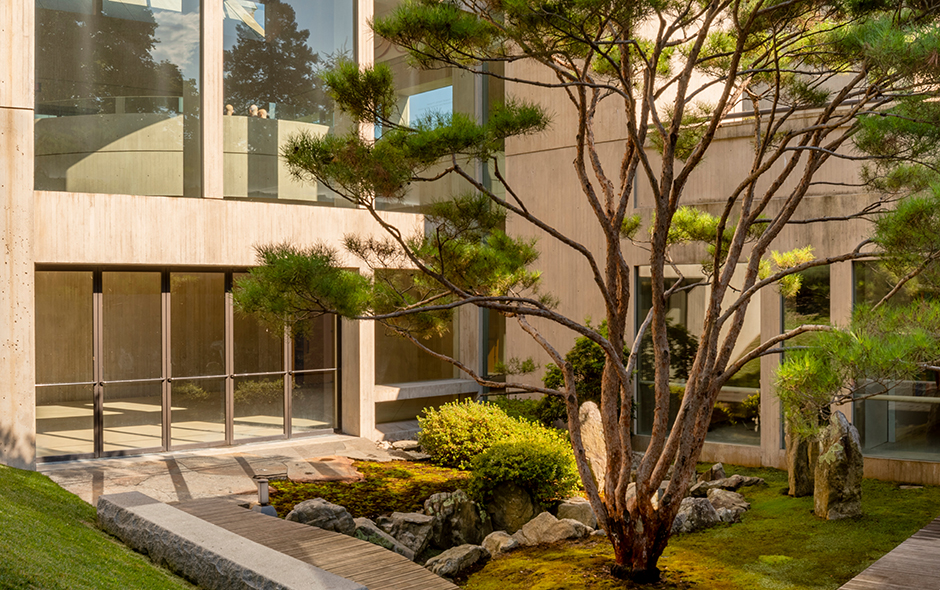
A tall tree is the focal point of a garden in between two concrete buildings

About arrow_back

Admission for everyone is always free! Check here for current hours and more.

A concrete cantilevered building against blue sky and green landscaping

Collections arrow_back

Questions?

Our online database is experiencing intermittent technical difficulties. You can email museum@cornell.edu if you need assistance with your research inquiry while we work to resolve the issue.


Museum gallery with art from China

Exhibitions arrow_back

Check out what’s on view this season at the Museum and look back through our history.

A museum interior space with paintings and concrete walls and stairs

Events arrow_back

Free events for everyone, plus special programs for students, families, and more!

A concrete-walled lobby with windows, a tiled floor, and a circular desk

Learn arrow_back

The Johnson Museum actively contributes to the intellectual life of our campus and community.

The top of a concrete spiral staircase with a wooden railing

Support arrow_back

Help the Johnson Museum continue its legacy by making a gift today.

A tall tree is the focal point of a garden in between two concrete buildings

Louis-Marin Bonnet, after François Boucher

(French, 1736–1793)

Tête de Flore (Head of Flora)

View All Works

Object Details

Artist

Louis-Marin Bonnet, after François Boucher

Date

1769

Medium

Pastel-manner etching and engraving printed in color from eight plates on heavy laid paper

Dimensions

Sheet: 15 3/4 x 12 1/2 inches (40 x 31.8 cm)

Credit Line

Gift of Dr. Nathaniel Donson, Class of 1958

Object
Number

87.075

The son of a Parisian stocking manufacturer, Bonnet trained with the engravers Louis-Claude LeGrand (…)

The son of a Parisian stocking manufacturer, Bonnet trained with the engravers Louis-Claude LeGrand and Jean-Charles François, the latter the inventor of the chalk-manner technique of printmaking. Erroneously referred to as engravings, chalk-, crayon- or pastel-manner prints are actually etchings made with a metal wheel called a roulette with a random pattern of variously sized points that was rolled over a plate coated with a protective wax ground. When the plate was etched in acid, the resulting pattern of dots provided a passable approximation of the original chalk drawing.

Bonnet’s prints made in this way became immensely popular with collectors seeking images that imitated the subtle blend of colors epitomized by the drawings of Watteau, Boucher, and their contemporaries. During the late 1770s and 1780s, Bonnet’s success as a color printmaker was unrivaled; he counted among his patrons the wealthiest Parisian collectors of the time, and at his death he was able to leave behind a sizable estate despite the changing tastes brought on by the Revolution.

This portrait, once thought to be a likeness of Madame de Pompadour but now known as an image of Boucher’s seventeen-year-old daughter Marie-Emilie, is one of the greatest achievements in French eighteenth-century color printmaking.

(From “A Handbook of the Collection: Herbert F. Johnson Museum of Art,” 1998)

Create an account

Please take a moment to fill your information to create your account.

Reset Password

Lost your password? Please enter your email address. You will receive mail with link to set new password.

Save Artwork

Save the artwork in any of your exhibitions or create a new one.

You have not made any exhibitions.

Create New Exhibition

Create New Exhibition