

Search

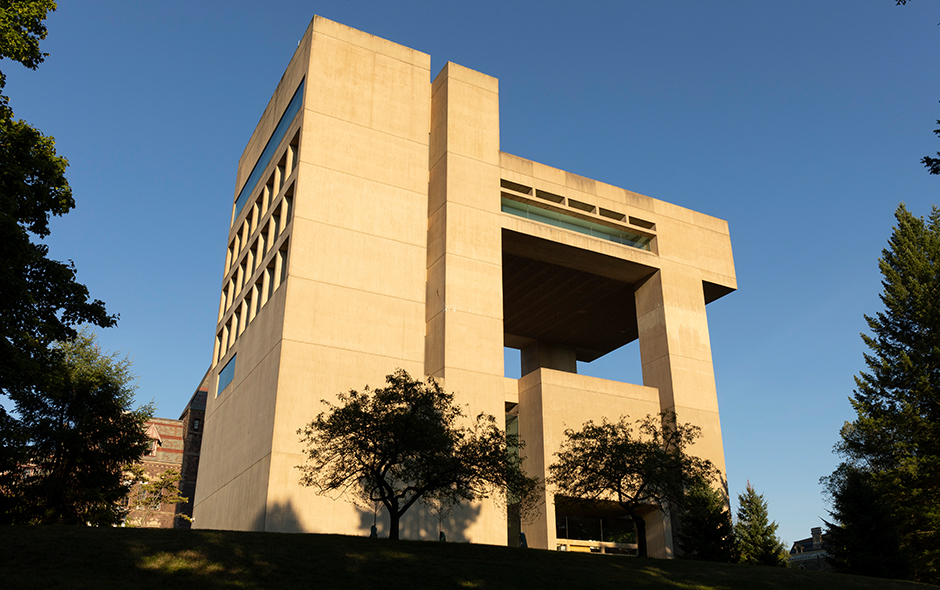
A concrete cantilevered building against blue sky and green landscaping

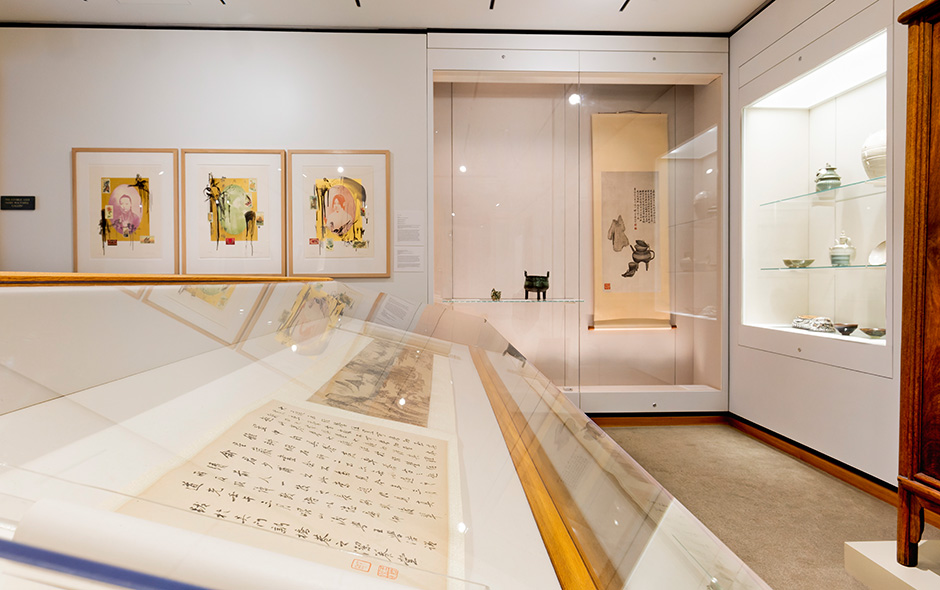
Museum gallery with art from China

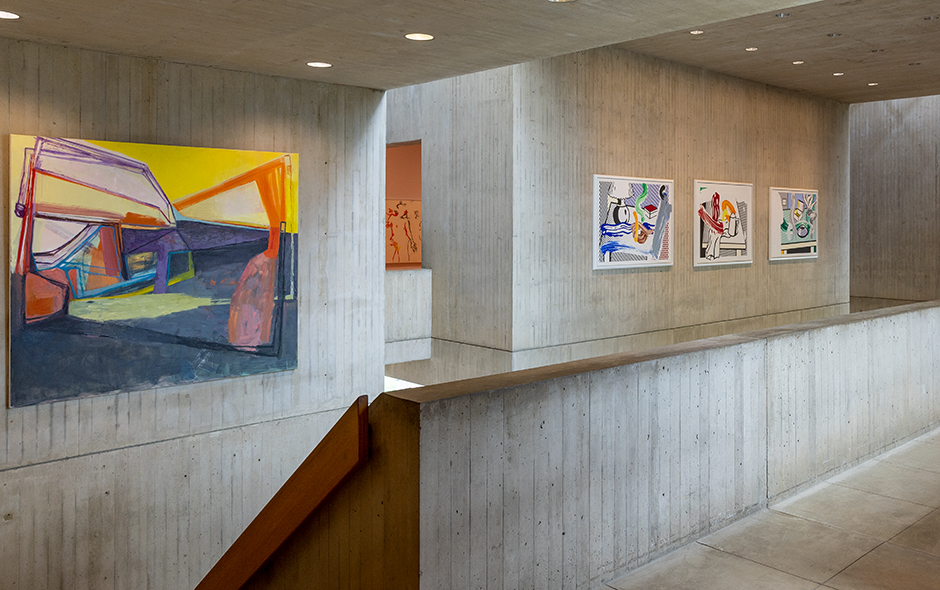
A museum interior space with paintings and concrete walls and stairs

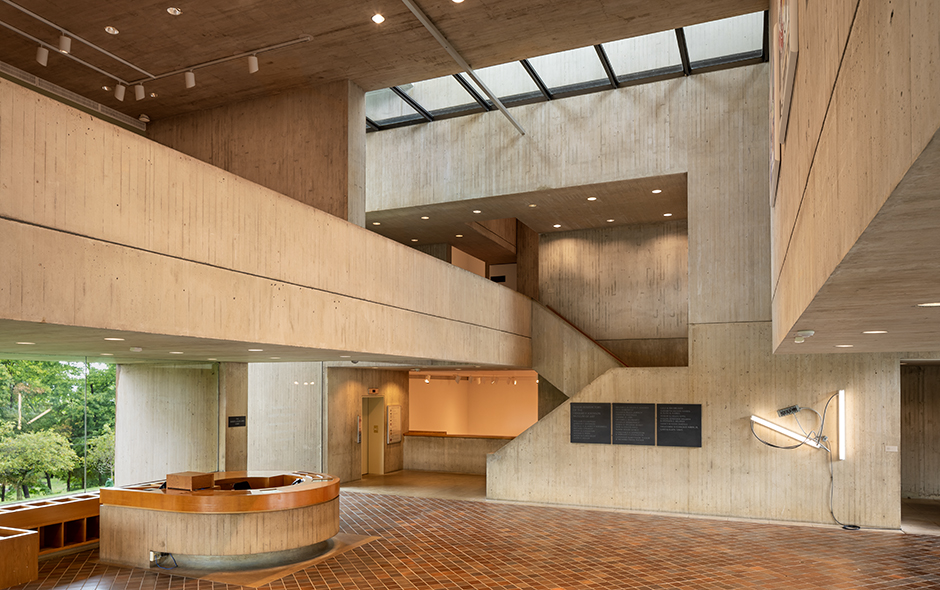
A concrete-walled lobby with windows, a tiled floor, and a circular desk

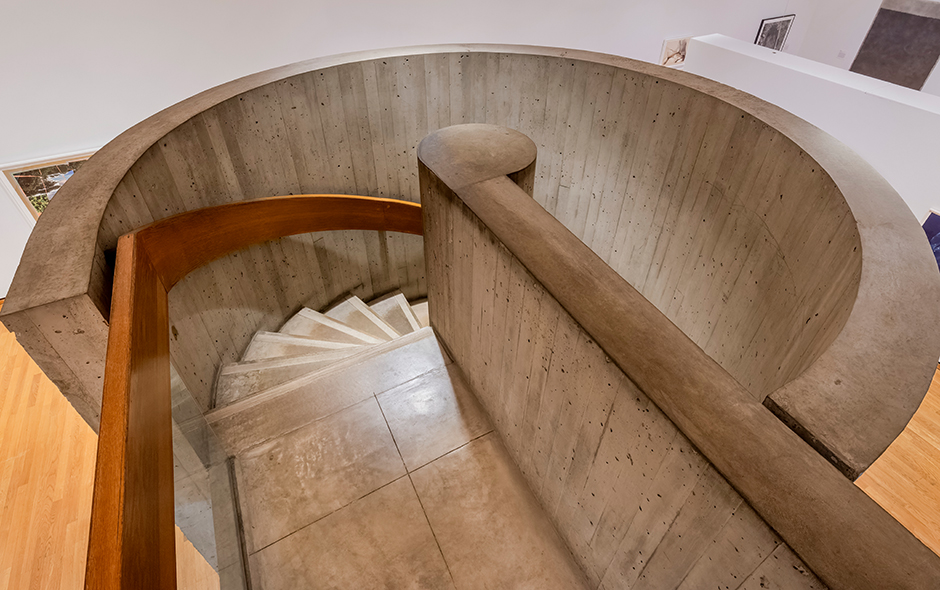
The top of a concrete spiral staircase with a wooden railing

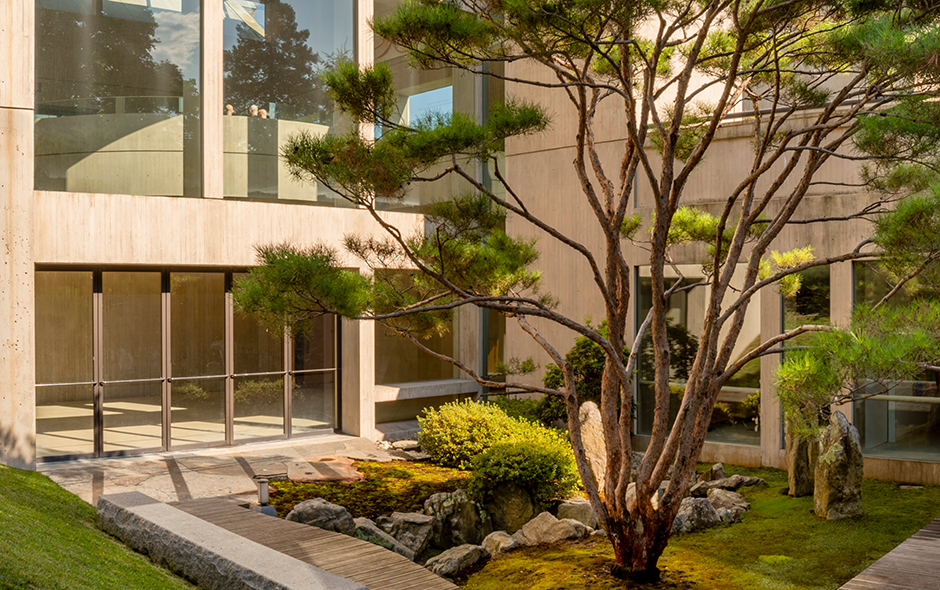
A tall tree is the focal point of a garden in between two concrete buildings

About arrow_back

Admission for everyone is always free! Check here for current hours and more.

A concrete cantilevered building against blue sky and green landscaping

Collections arrow_back

The Johnson Museum holds more than 40,000 works in its collection from around the world.

Museum gallery with art from China

Exhibitions arrow_back

Check out what’s on view this season at the Museum and look back through our history.

A museum interior space with paintings and concrete walls and stairs

Events arrow_back

Free events for everyone, plus special programs for students, families, and more!

A concrete-walled lobby with windows, a tiled floor, and a circular desk

Learn arrow_back

The Johnson Museum actively contributes to the intellectual life of our campus and community.

The top of a concrete spiral staircase with a wooden railing

Support arrow_back

Help the Johnson Museum continue its legacy by making a gift today.

A tall tree is the focal point of a garden in between two concrete buildings

Hermann Hausmann

(1865–1902)

Art Nouveau frame and mirror

View All Works

Object Details

Artist

Hermann Hausmann

Date

1902

Medium

Bronze and glass

Dimensions

13 x 10 inches (33 x 25.4 cm)

Credit Line

Gift of Isabel and William Berley, Classes of 1947 and 1945

Object
Number

99.078.109

BRIEF DESCRIPTIONThis mirror has an Art Nouveau pattern bronze frame, featuring a woman’s face at (…)

BRIEF DESCRIPTIONThis mirror has an Art Nouveau pattern bronze frame, featuring a woman’s face at the bottom and lily pads along the top.WHERE WAS IT MADE?This mirror was likely made in Berlin, Germany, where the sculptor Hermann Hausmann did most of his work.HOW WAS IT MADE?This mirror features a molded bronze frame. Molding is a process of manufacturing that involves shaping a pliable or liquid material into a rigid frame or model called a mold. When the liquid (in this case, bronze) hardens it is removed, revealing a positive of the negative space of the mold.WHY DOES IT LOOK LIKE THIS?This bronze mirror is very typical of the French Art Nouveau style. Notice the female face with eyes closed at the bottom edge; her hair encircles the frame, transforming into water lilies and the slender stems of lily pads that float at the top of the frame. The lines of the composition are wavy and undulating, and are typical of imagery found in other decorative arts objects of the period.Art Nouveau, French for “New Art,” refers to an artistic style that was developed in Europe in the 1880s, and remained enormously popular into the first decade of the 20th century. It is characterized by whiplash curves, organic imagery and sinuous lines. The name Art Nouveau came from the Paris shop of Siegfried Bing that opened in 1895, quickly popularizing the works of artists like Louis Comfort Tiffany, whose work became synonymous with (or symbolic of) the American Art Nouveau style.
Create an account

Please take a moment to fill your information to create your account.

Reset Password

Lost your password? Please enter your email address. You will receive mail with link to set new password.

Save Artwork

Save the artwork in any of your exhibitions or create a new one.

You have not made any exhibitions.

Create New Exhibition

Create New Exhibition