


Search

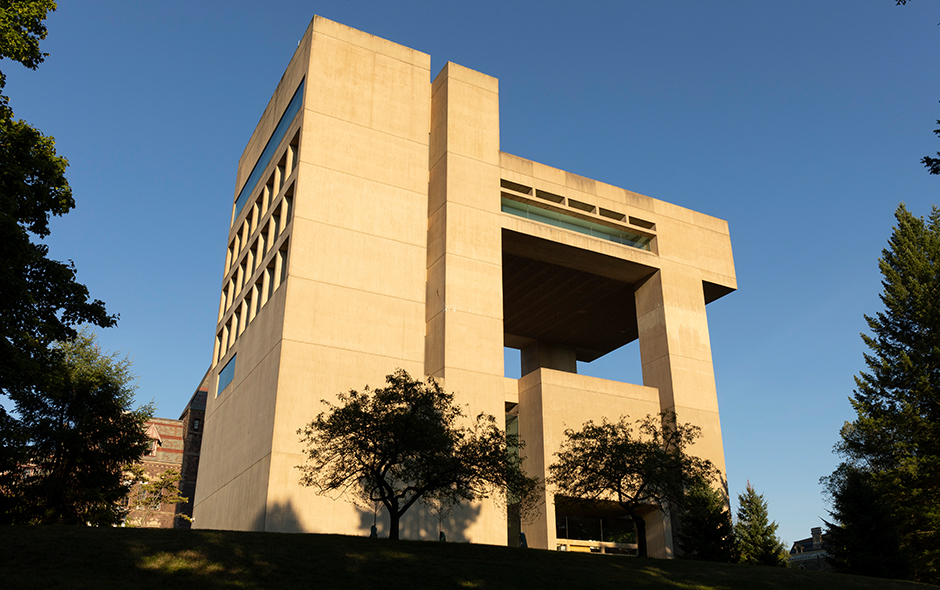
A concrete cantilevered building against blue sky and green landscaping

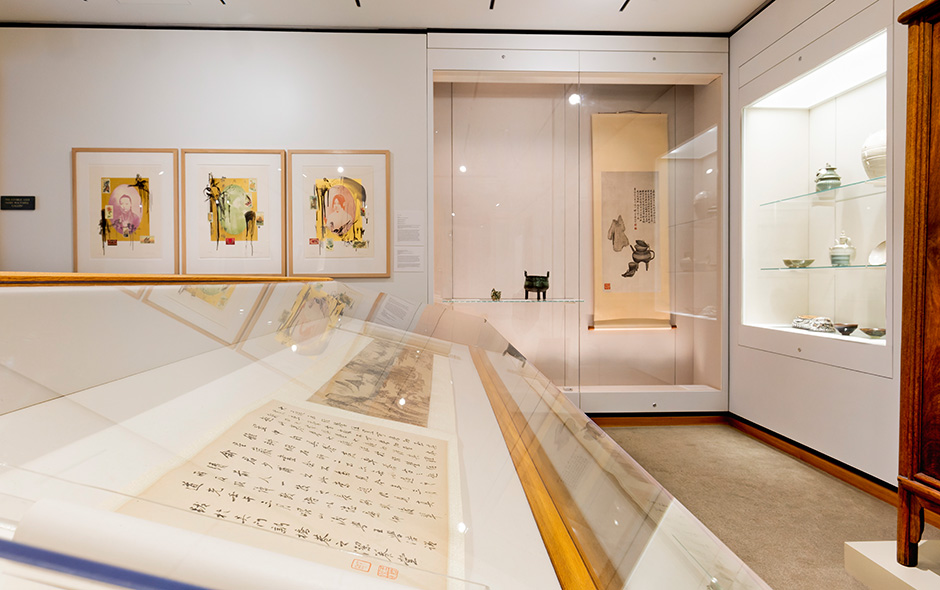
A large green wall with oil paintings in gold frames above a tiled floor

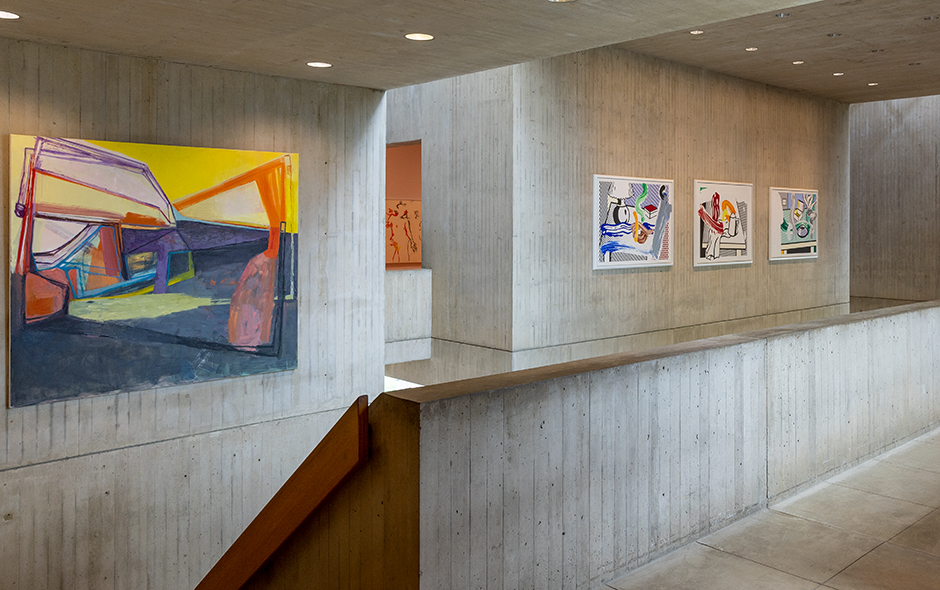
A museum interior space with paintings and concrete walls and stairs

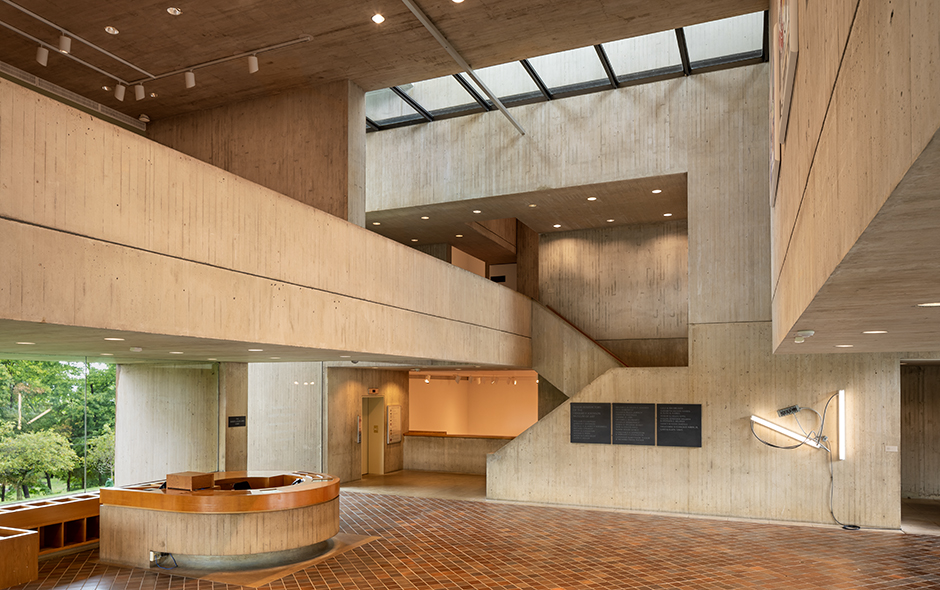
A concrete-walled lobby with windows, a tiled floor, and a circular desk

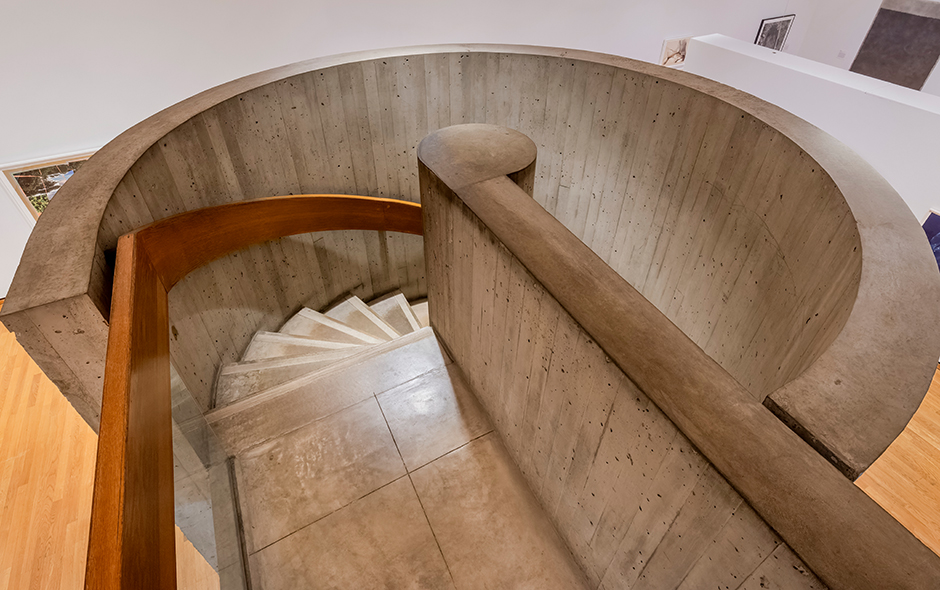
The top of a concrete spiral staircase with a wooden railing

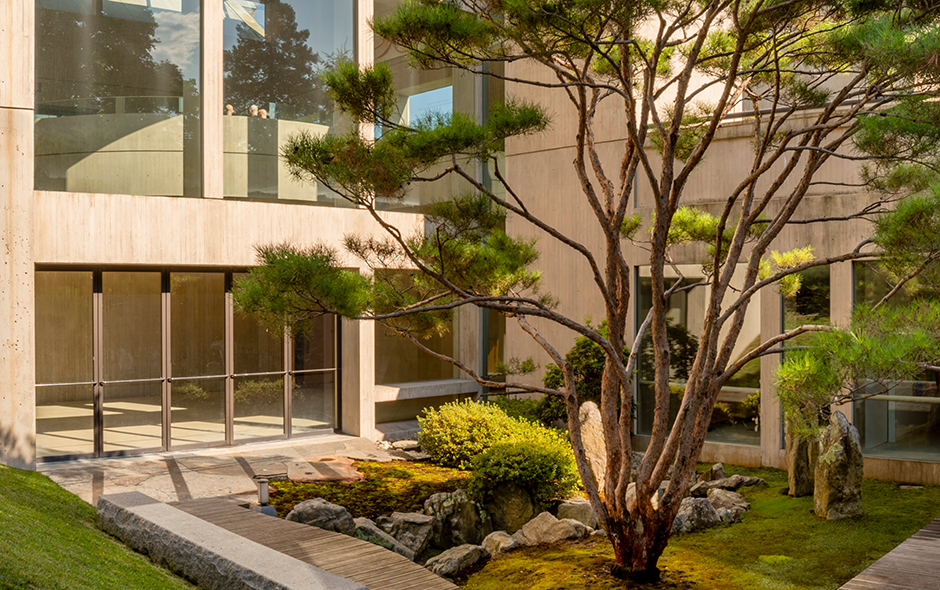
A tall tree is the focal point of a garden in between two concrete buildings

About arrow_back

Admission for everyone is always free! Check here for current hours and more.

A concrete cantilevered building against blue sky and green landscaping

Collections arrow_back

The Johnson Museum holds more than 40,000 works in its collection from around the world.

A large green wall with oil paintings in gold frames above a tiled floor

Exhibitions arrow_back

Check out what’s on view this season at the Museum and look back through our history.

A museum interior space with paintings and concrete walls and stairs

Events arrow_back

Free events for everyone, plus special programs for students, families, and more!

A concrete-walled lobby with windows, a tiled floor, and a circular desk

Learn arrow_back

The Johnson Museum actively contributes to the intellectual life of our campus and community.

The top of a concrete spiral staircase with a wooden railing

Support arrow_back

Help the Johnson Museum continue its legacy by making a gift today.

A tall tree is the focal point of a garden in between two concrete buildings

Nicolaes Berchem the elder

(Dutch, 1620–1683)

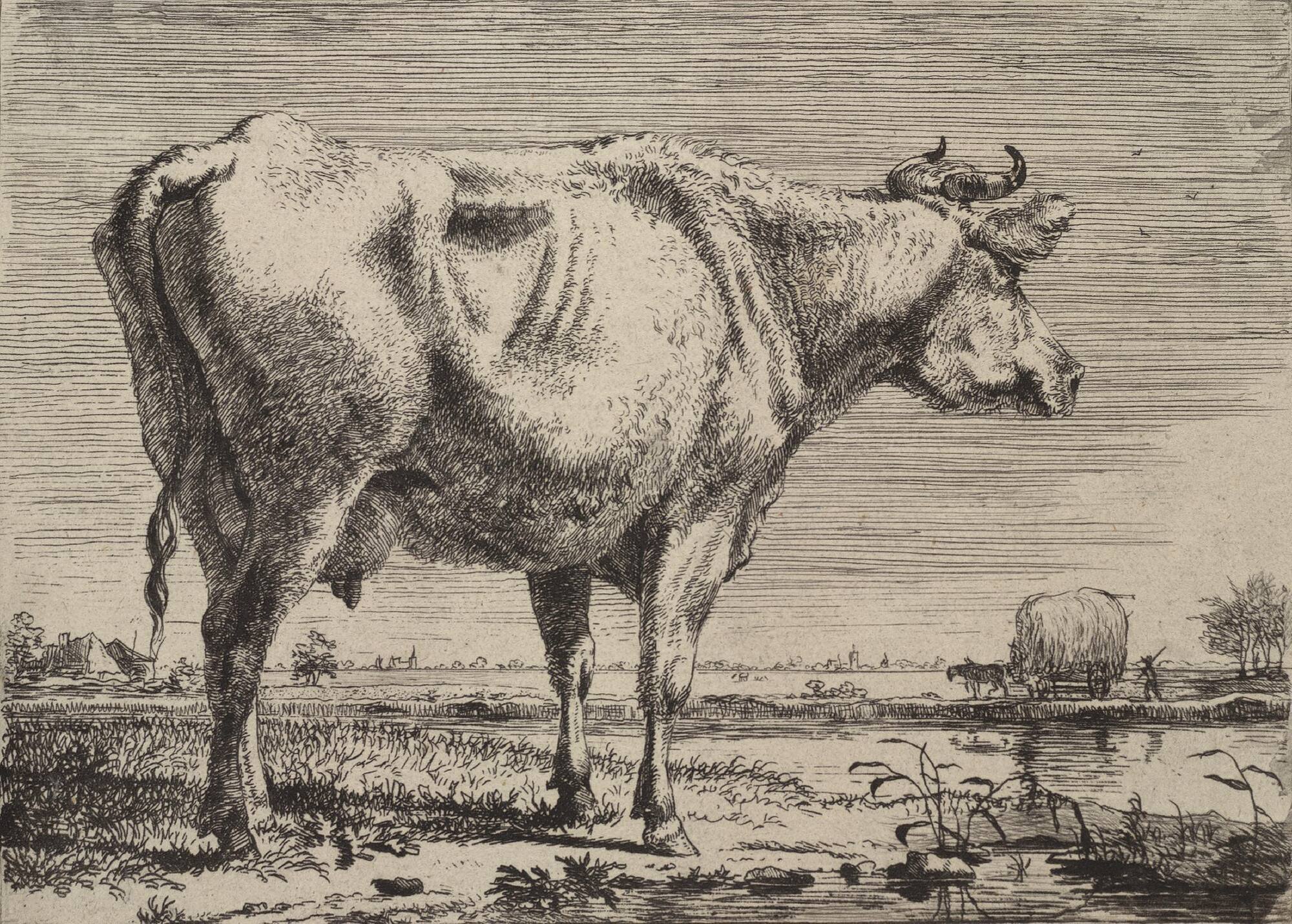
Landscape with Cow

View All Works

Object Details

Artist

Nicolaes Berchem the elder

Medium

Etching on laid paper

Dimensions

4 3/4 × 6 1/2 inches (12.1 × 16.5 cm)

Credit Line

Bequest of William P. Chapman, Jr., Class of 1895

Object
Number

56.011

This etching shows a typical flat Dutch landscape, with spires of towns rising in the distance, a fa(…)

This etching shows a typical flat Dutch landscape, with spires of towns rising in the distance, a farmhouse, barn, and overloaded hay wagon in the middle ground, and a cow standing by water in the foreground: all elements of our mental image of Holland.

The cows Berchem would have met around Haarlem, where he was born, and Amsterdam, where he also lived (and died), would have been much fatter. During the Dutch Golden Age, cows were bred mainly in the east, especially on agriculturally poor former peat lands, and then brought to the western provinces (North and South Holland and Zeeland) at about the age of two years, for dairying and fattening. There, milk was important not just for drinking and for cheese-making, but also for the Dutch method of linen bleaching. Cowhide, too, was used in many ways—for shoes, gloves, aprons, straps, buckets, and book bindings. Indeed, especially in Amsterdam, there was even a thriving industry creating gilt and embossed leather wall panels, which replaced tapestries of earlier centuries in the homes of the wealthy.

Berchem took every opportunity to present well-fed livestock in his paintings, and so one may ask: Why did he picture such a lean cow here? Perhaps we are supposed to notice the contrast between the cow’s leanness and the overflowing hay wagon, seemingly unattainable across the water.

Virginia Utermohlen, “The New and Unknown World: Art, Exporation, and Trade in the Dutch Golden Age,” catalogue accompanying an exhibition organized by the Herbert F. Johnson Museum of Art at Cornell University, curated by Andrew C. Weislogel and presented the Johnson Museum August 13–October 2, 2011.

Discover More

Cows at Rest

Nicolaes Berchem the elder

Dutch Girl (Fini)

Harold Weston

Nude

Nahum Tschacbasov

Create an account

Please take a moment to fill your information to create your account.

Reset Password

Lost your password? Please enter your email address. You will receive mail with link to set new password.

Save Artwork

Save the artwork in any of your exhibitions or create a new one.

You have not made any exhibitions.

Create New Exhibition

Create New Exhibition