

Search

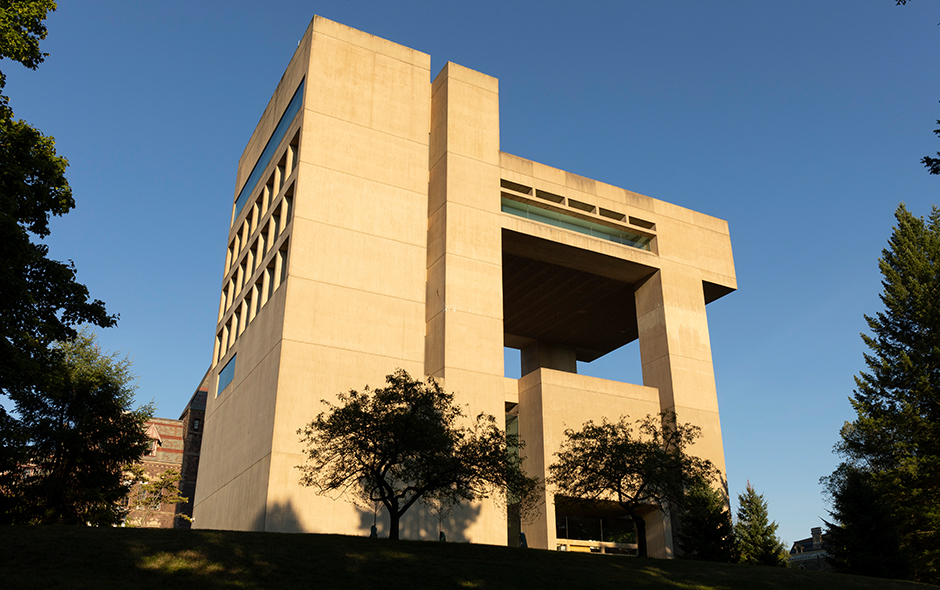
A concrete cantilevered building against blue sky and green landscaping

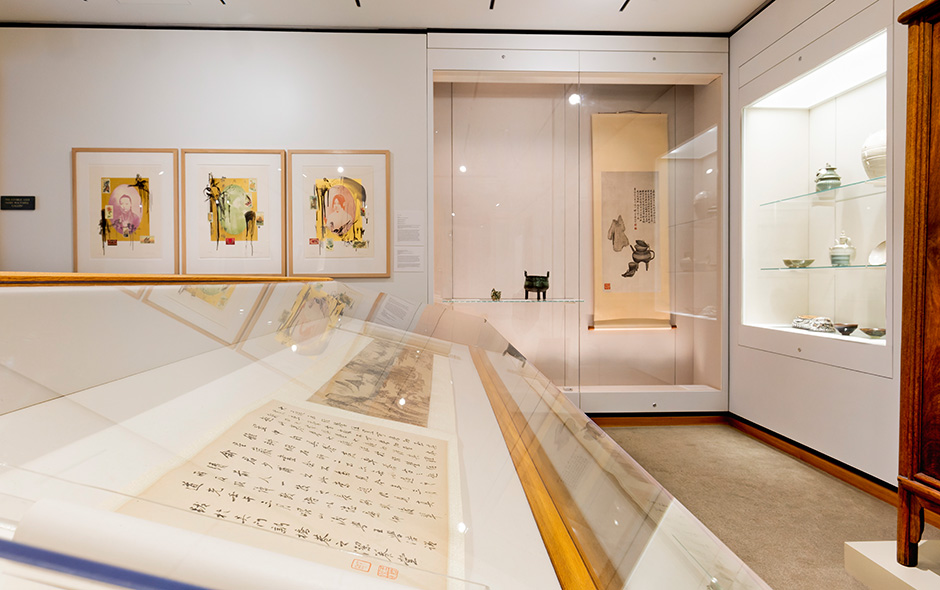
Museum gallery with art from China

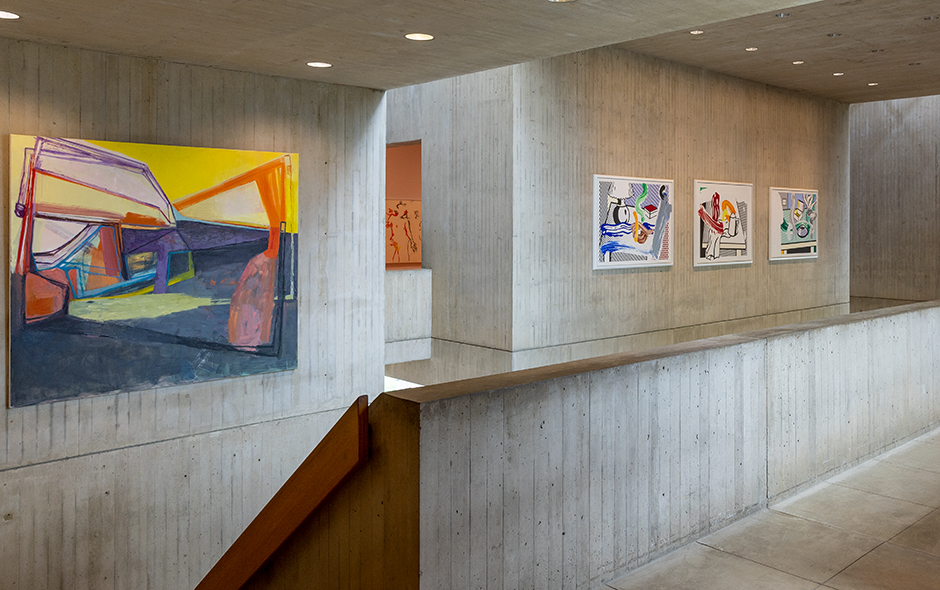
A museum interior space with paintings and concrete walls and stairs

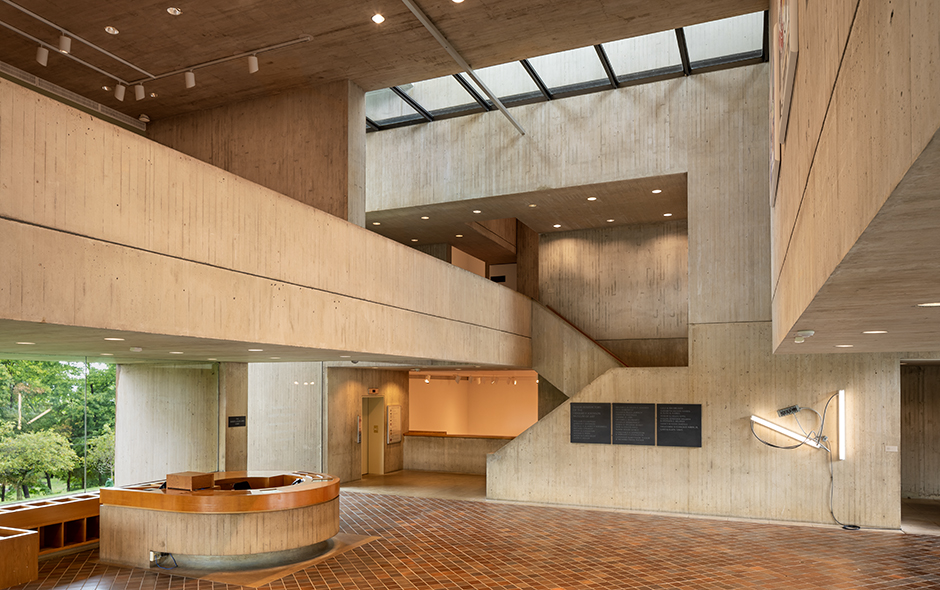
A concrete-walled lobby with windows, a tiled floor, and a circular desk

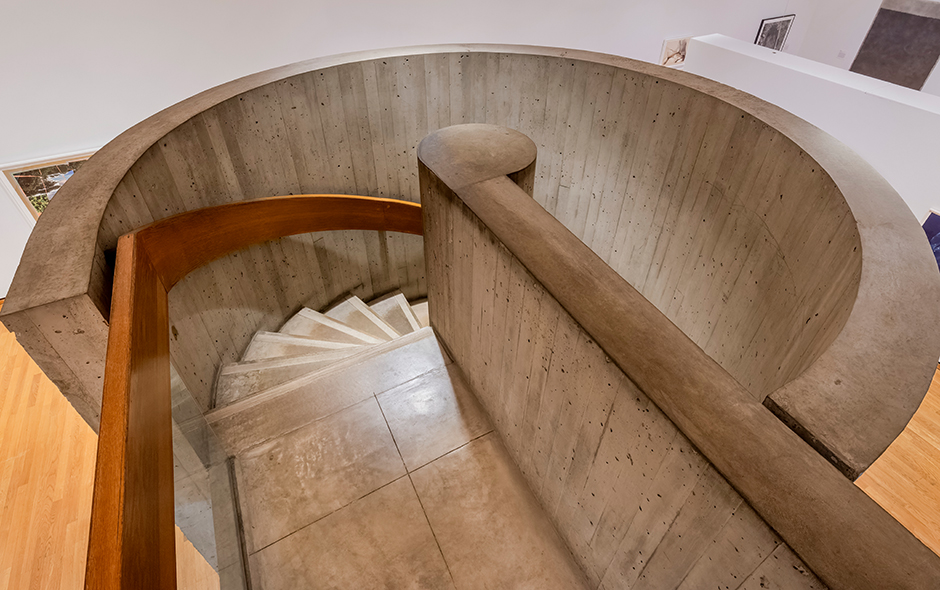
The top of a concrete spiral staircase with a wooden railing

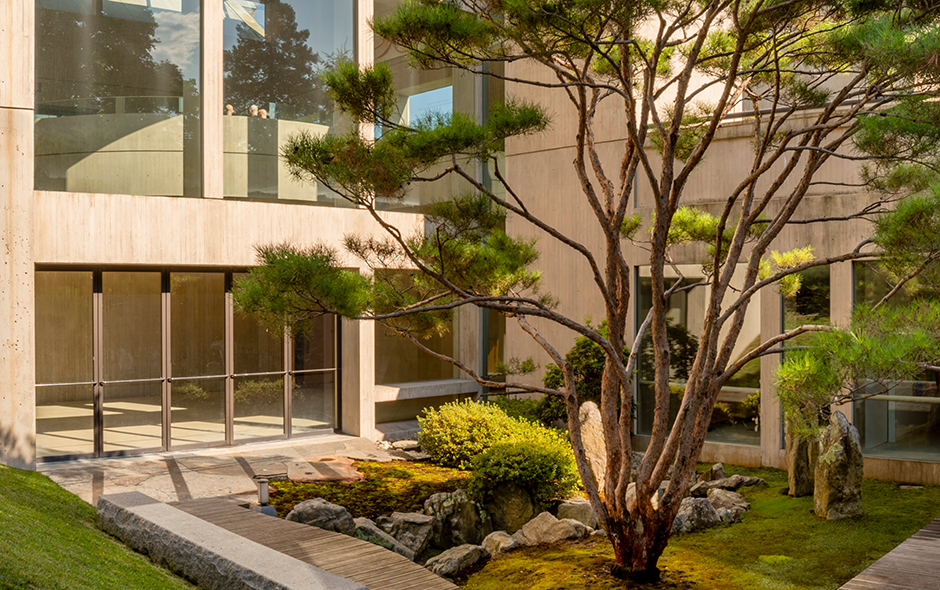
A tall tree is the focal point of a garden in between two concrete buildings

About arrow_back

Admission for everyone is always free! Check here for current hours and more.

A concrete cantilevered building against blue sky and green landscaping

Collections arrow_back

Questions?

Our online database is experiencing intermittent technical difficulties. You can email museum@cornell.edu if you need assistance with your research inquiry while we work to resolve the issue.


Museum gallery with art from China

Exhibitions arrow_back

Check out what’s on view this season at the Museum and look back through our history.

A museum interior space with paintings and concrete walls and stairs

Events arrow_back

Free events for everyone, plus special programs for students, families, and more!

A concrete-walled lobby with windows, a tiled floor, and a circular desk

Learn arrow_back

The Johnson Museum actively contributes to the intellectual life of our campus and community.

The top of a concrete spiral staircase with a wooden railing

Support arrow_back

Help the Johnson Museum continue its legacy by making a gift today.

A tall tree is the focal point of a garden in between two concrete buildings

Liu Haisu

(Chinese, 1896–1994)

Landscape

View All Works

Object Details

Artist

Liu Haisu

Date

1927

Medium

Hanging scroll: ink on paper

Dimensions

37 1/4 × 17 1/2 inches (94.6 × 44.5 cm)

Credit Line

Gift of Dr. and Mrs. Frederick Baekeland

Object
Number

2000.136.003

Liu Haisu was a founder of the Shanghai Art College and a pioneering practitioner in the field of mo(…)

Liu Haisu was a founder of the Shanghai Art College and a pioneering practitioner in the field of modern art during the early twentieth century. Most of his existing early works are oil paintings that explore postimpressionistic styles, a pursuit common among young Chinese painters in Shanghai during the 1920s and ’30s. The Johnson Museum’s painting is one of the few remaining examples of Liu’s early ink paintings. In the background the mountains are painted using a mogu technique in which forms are made by ink washes rather than by outlines. In the foreground two or three withered trees with bare branches solemnly stand alone, while in the middle ground there is a figure in profile rendered with spontaneous and simplified brushstrokes. The pictorial language illustrates Liu’s early efforts at combining Chinese and Western styles in his practice, in particular the emphasis on expressiveness rather than representativeness. In addition, a long inscription written by Liu with bold and loose brushstrokes shows a calligraphic style influenced by his teacher Kang Youwei (1858–1927), whose calligraphy is also on view in this exhibition. The inscription tells us that the painting was requested by a friend of Liu, who looked after him during his short stay in a hospital in the spring of 1927. The event was not recorded in Liu’s personal chronicle published in 1992, so the painting provides us with a greater understanding of this particular year of Liu’s life. (“Debating Art: Chinese Intellectuals at the Crossroads,” curated by Yuhua Ding, with assistance by Elizabeth Emrich, and presented at the Johnson Museum February 2-July 8, 2018)

Discover More

Oak Bay Basketball

Tim Gardner

Pigeon

Gordon MacNamara

After the Spell

John Bankston

Sonnets #IX

C. Ronald Bechtle

Create an account

Please take a moment to fill your information to create your account.

Reset Password

Lost your password? Please enter your email address. You will receive mail with link to set new password.

Save Artwork

Save the artwork in any of your exhibitions or create a new one.

You have not made any exhibitions.

Create New Exhibition

Create New Exhibition