

Search

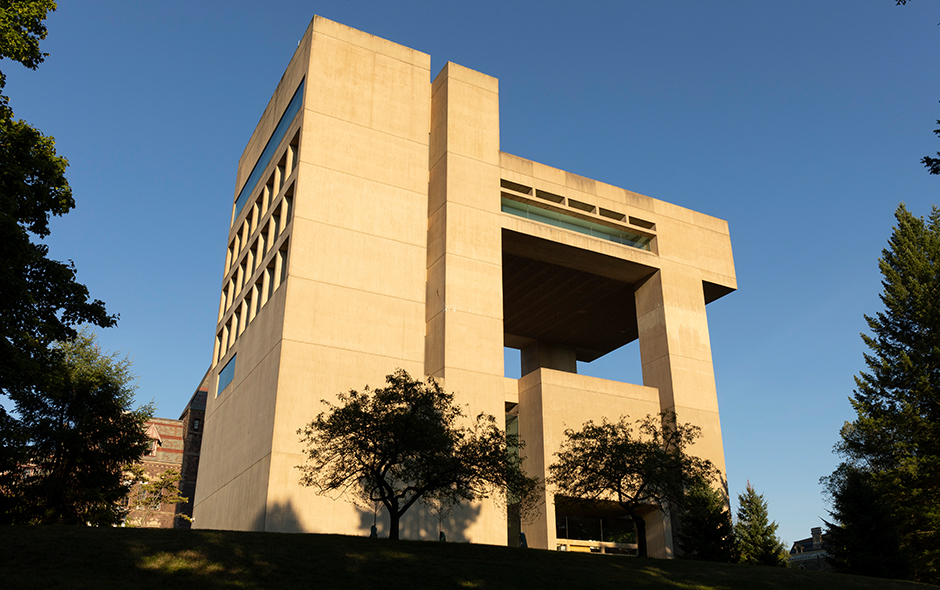
A concrete cantilevered building against blue sky and green landscaping

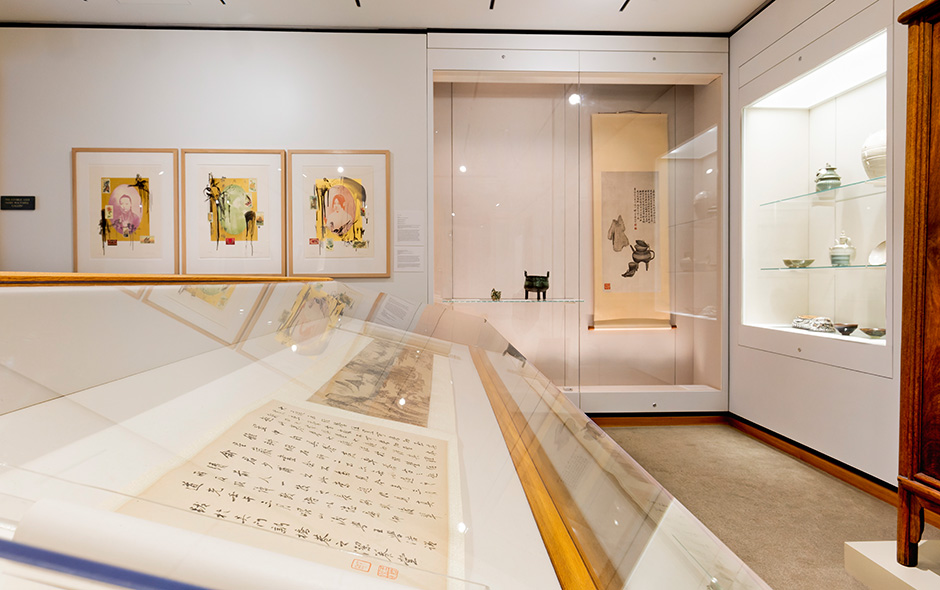
Museum gallery with art from China

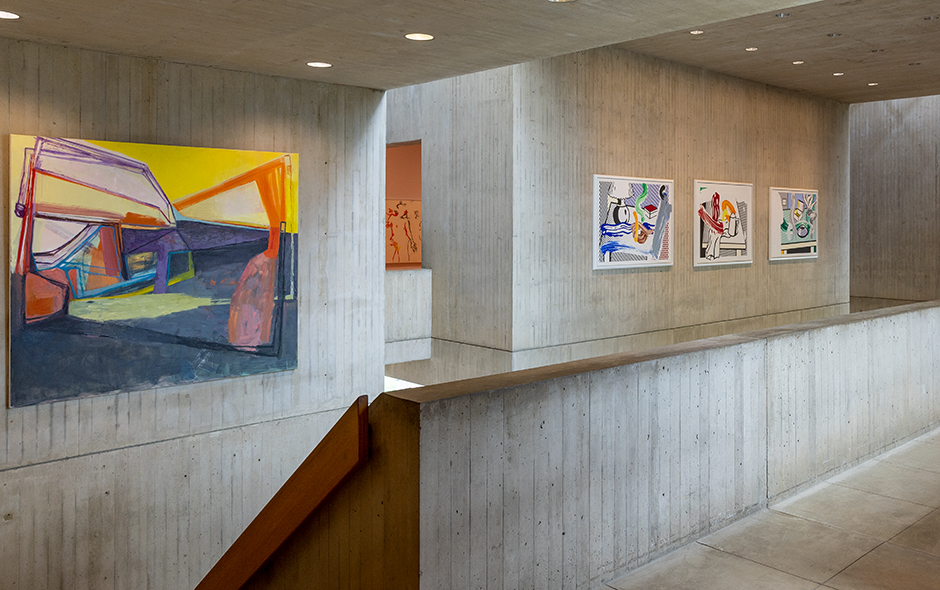
A museum interior space with paintings and concrete walls and stairs

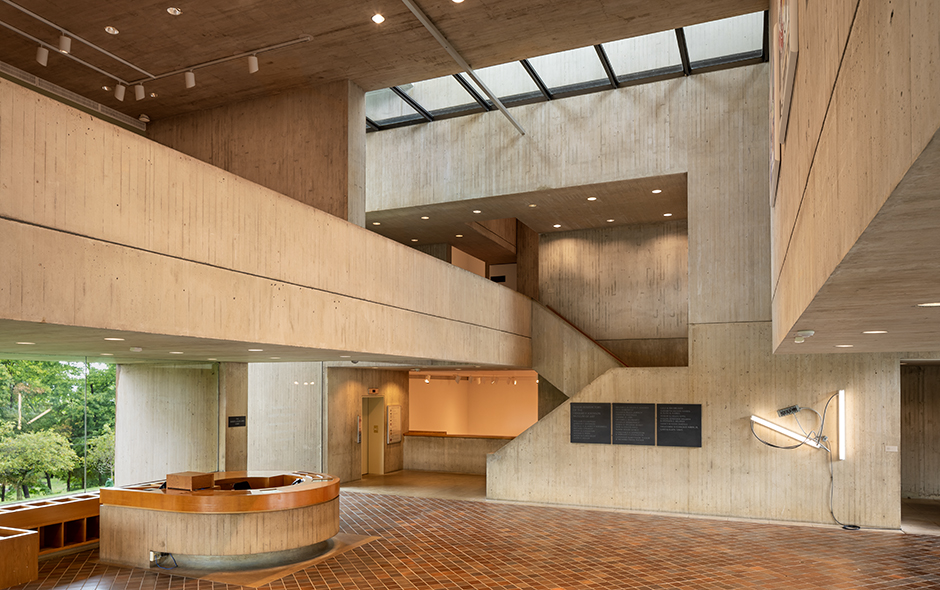
A concrete-walled lobby with windows, a tiled floor, and a circular desk

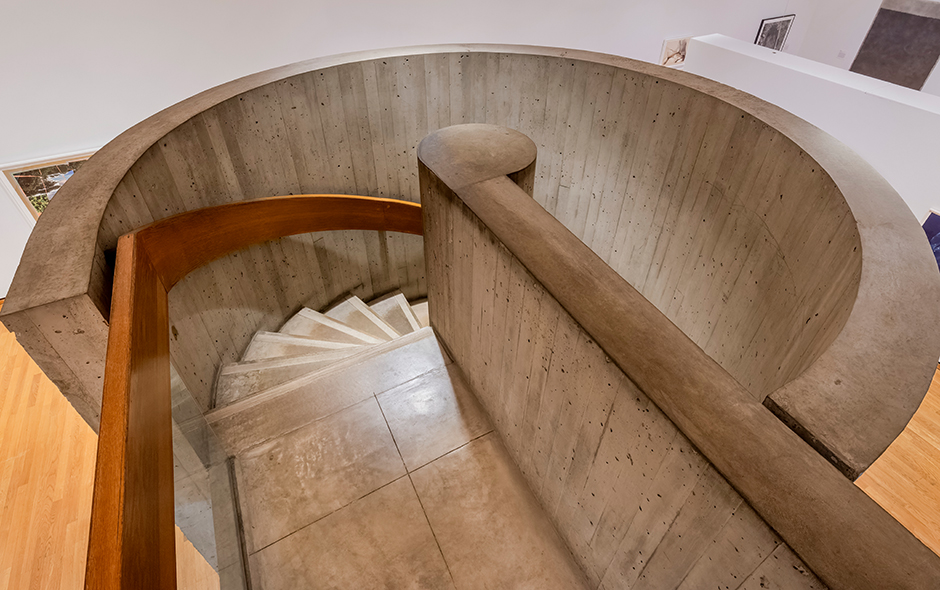
The top of a concrete spiral staircase with a wooden railing

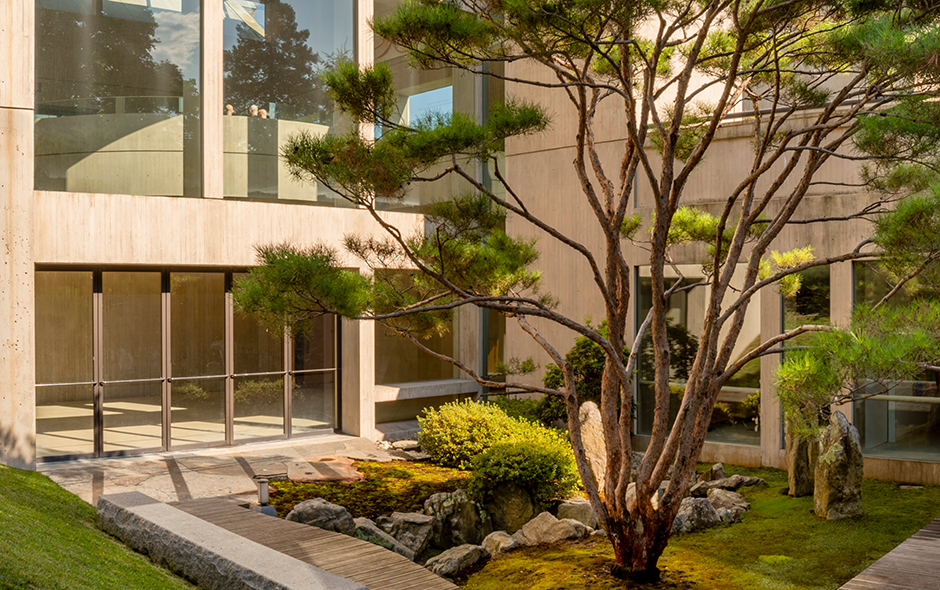
A tall tree is the focal point of a garden in between two concrete buildings

About arrow_back

Admission for everyone is always free! Check here for current hours and more.

A concrete cantilevered building against blue sky and green landscaping

Collections arrow_back

The Johnson Museum holds more than 40,000 works in its collection from around the world.

Museum gallery with art from China

Exhibitions arrow_back

Check out what’s on view this season at the Museum and look back through our history.

A museum interior space with paintings and concrete walls and stairs

Events arrow_back

Free events for everyone, plus special programs for students, families, and more!

A concrete-walled lobby with windows, a tiled floor, and a circular desk

Learn arrow_back

The Johnson Museum actively contributes to the intellectual life of our campus and community.

The top of a concrete spiral staircase with a wooden railing

Support arrow_back

Help the Johnson Museum continue its legacy by making a gift today.

A tall tree is the focal point of a garden in between two concrete buildings

Japan

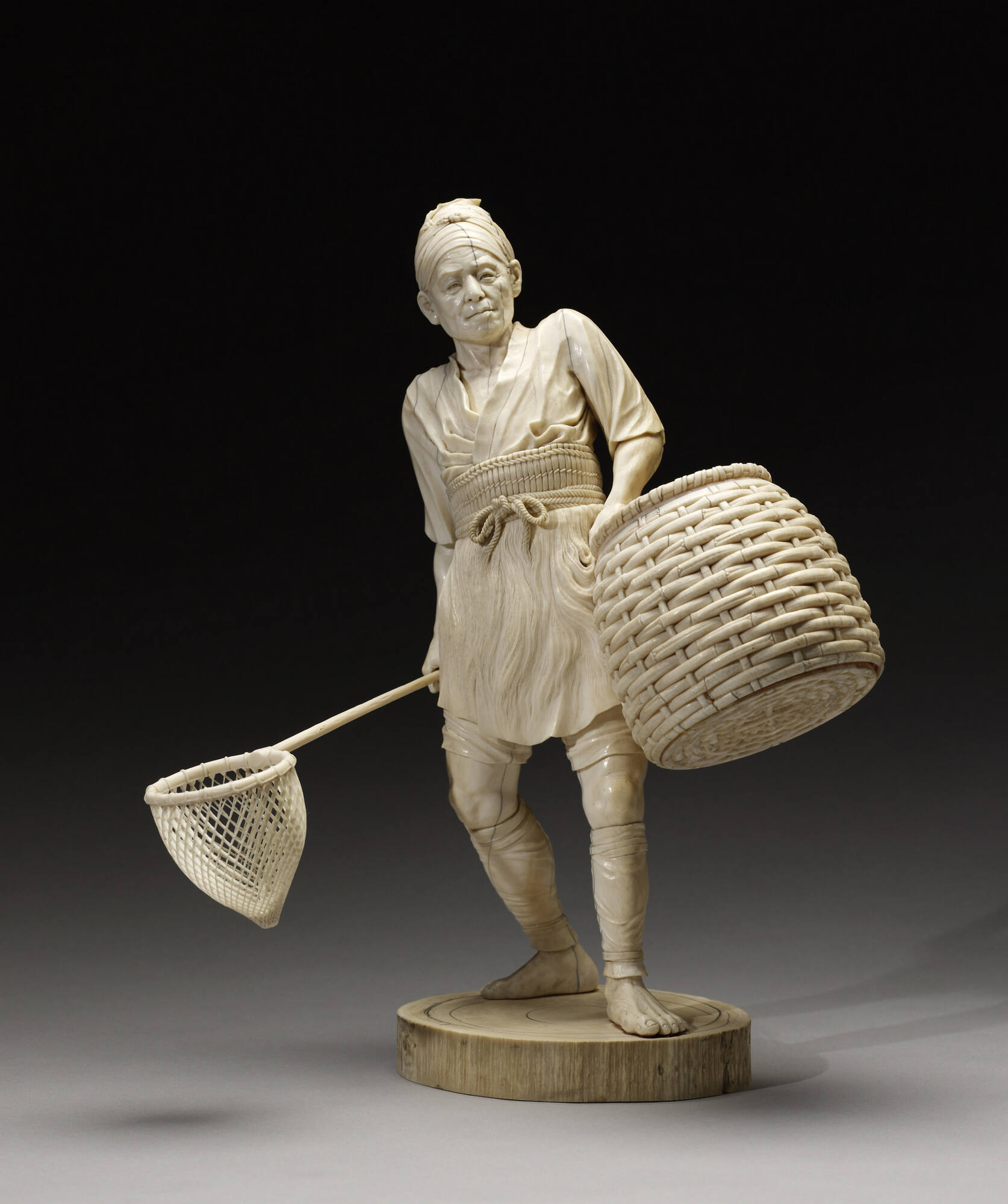
Fisherman with basket and net

View All Works

Object Details

Culture

Japan
Meiji period (1868–1912)

Medium

Carved ivory okimono

Dimensions

16 3/4 x 10 inches (42.5 x 25.4 cm)

Credit Line

Gift of Dr. and Mrs. Frederick Baekeland

Object
Number

78.104.001

After the Meiji Restoration (1868), many traditional artisans lost their patrons and were forced to (…)

After the Meiji Restoration (1868), many traditional artisans lost their patrons and were forced to re-shape their artistic activities in order to adjust to Western concepts of art that began to affect late nineteenth-century Japanese aesthetics. Among the most popular new artisans in the Meiji era were the ivory carvers. Large ivory carving quickly developed in the 1880s and lasted for about a decade. Especially welcomed by foreigners, Meiji ivory sculpture became the most popular Japanese craft at the world expositions as well as in the Western market. This particular piece was most likely an export object made in response to these new demands. The fisherman with basket depicted here is a typical example of Meiji period hyperrealism, as witness the very subtle expression on the face and the clearly tense musculature of the body. The Meiji artists used their highly skilled techniques to simulate the texture of real objects: a slab of wood, the net, baskets, robes, and reed-plaited outer wrapping. The fisherman is carved from a single large block of ivory, while the basket, fishnet, and base are separately carved and added. (From “A Handbook of the Collection: Herbert F. Johnson Museum of Art,” 1998)
Create an account

Please take a moment to fill your information to create your account.

Reset Password

Lost your password? Please enter your email address. You will receive mail with link to set new password.

Save Artwork

Save the artwork in any of your exhibitions or create a new one.

You have not made any exhibitions.

Create New Exhibition

Create New Exhibition