


Search

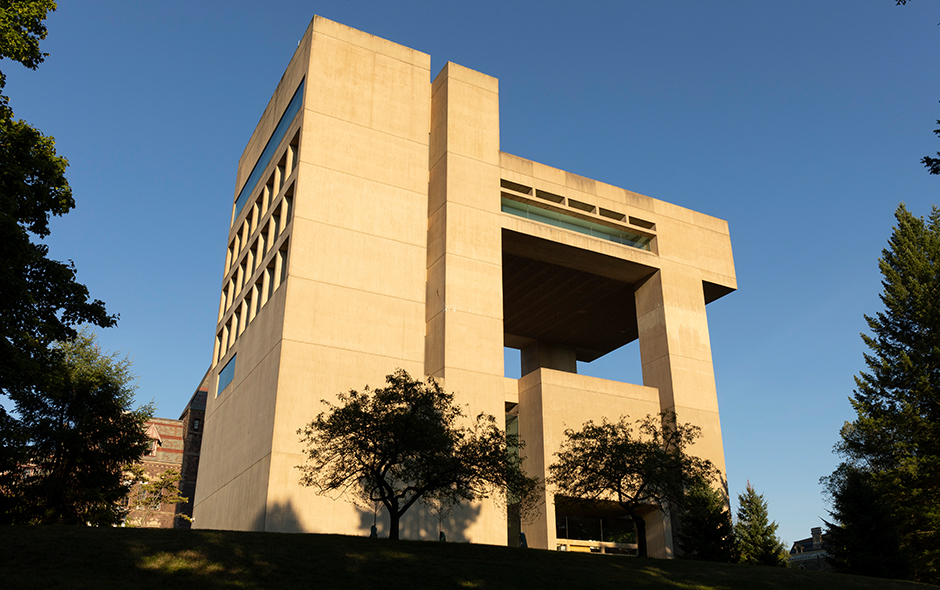
A concrete cantilevered building against blue sky and green landscaping

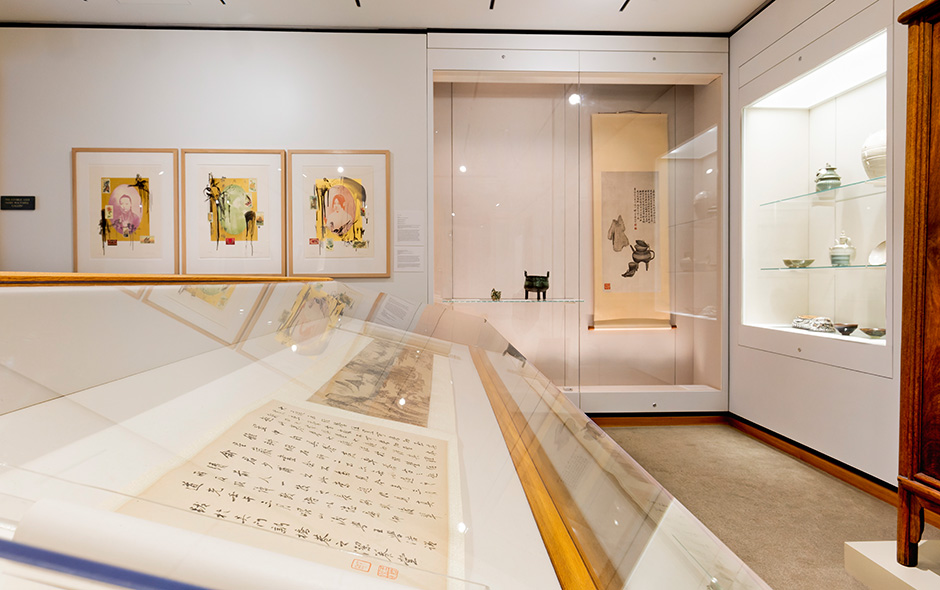
Museum gallery with art from China

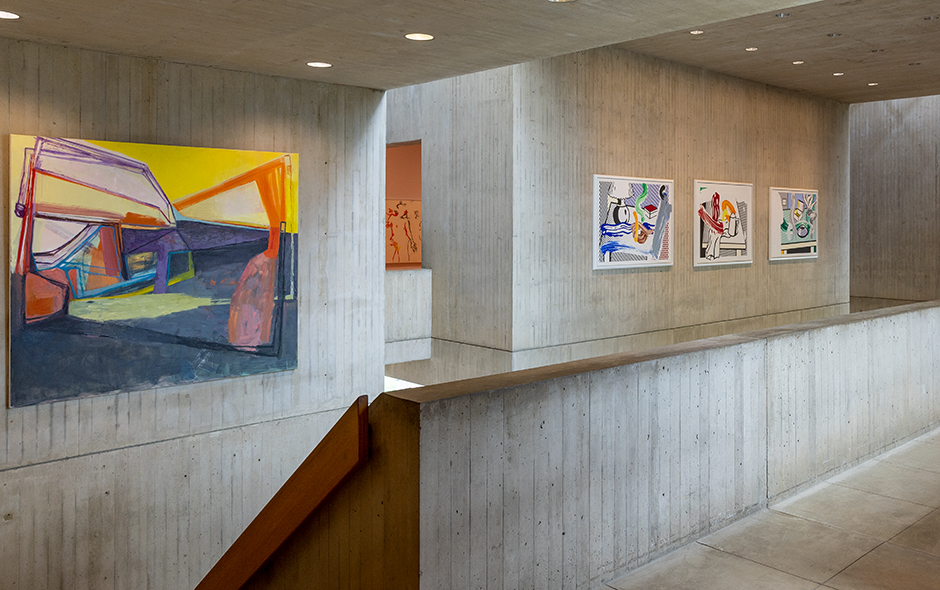
A museum interior space with paintings and concrete walls and stairs

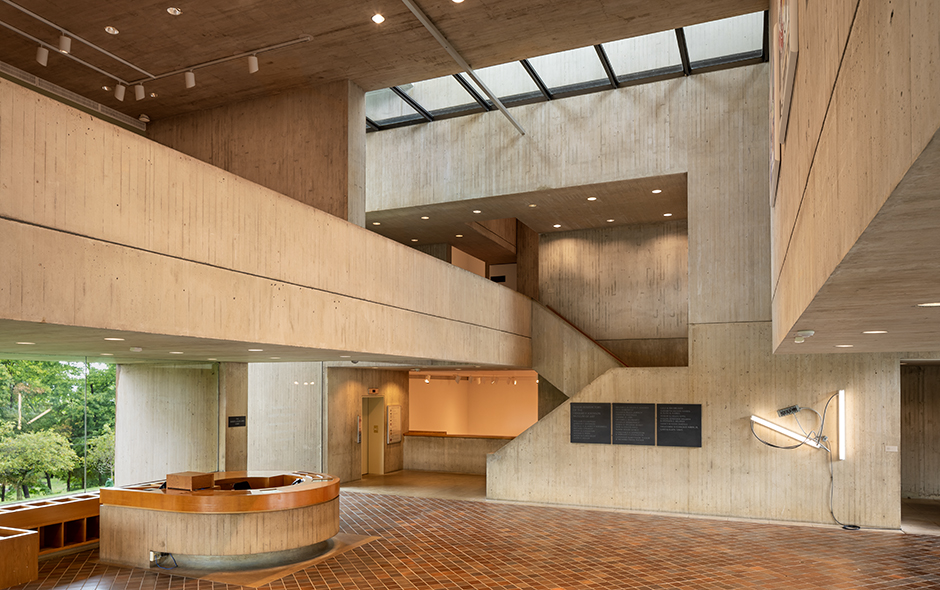
A concrete-walled lobby with windows, a tiled floor, and a circular desk

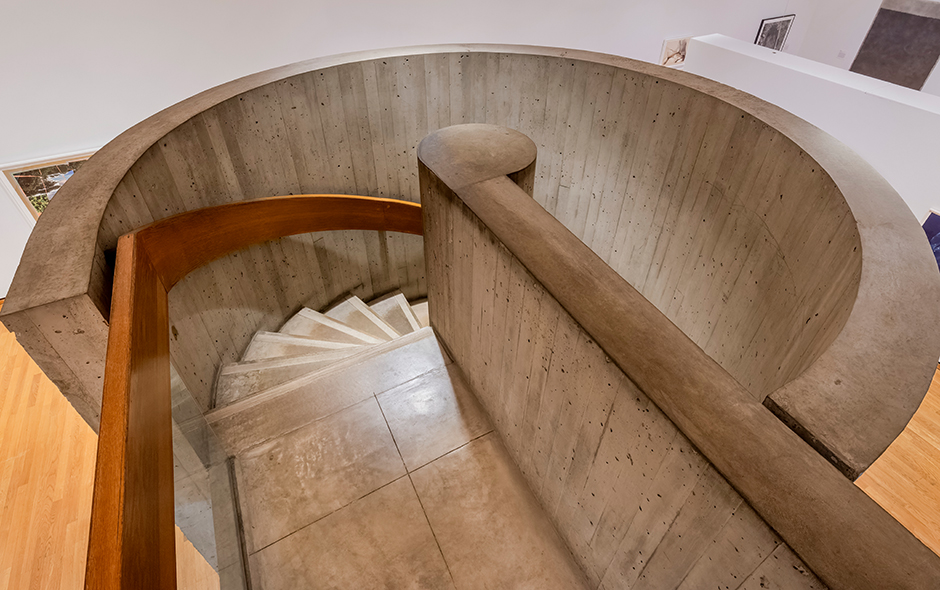
The top of a concrete spiral staircase with a wooden railing

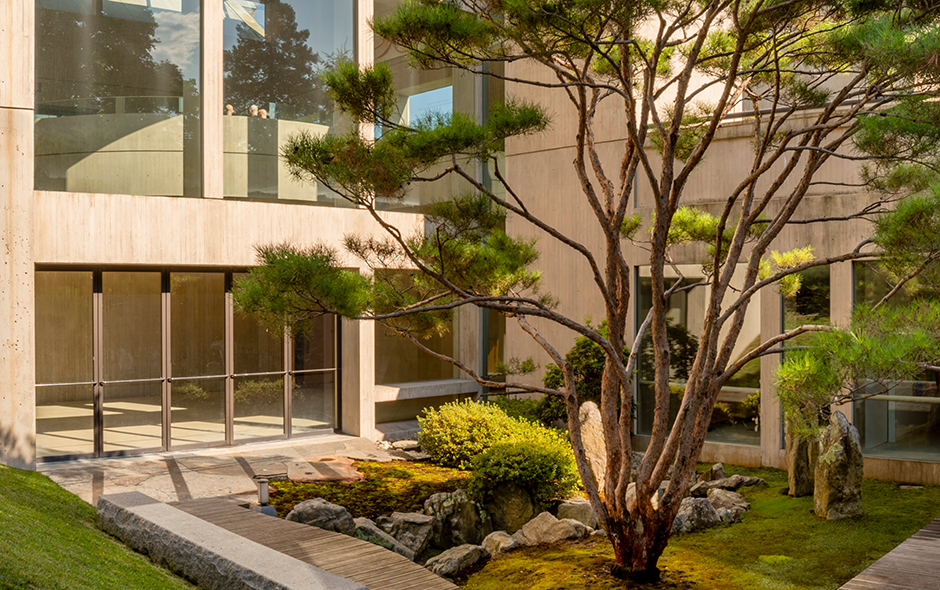
A tall tree is the focal point of a garden in between two concrete buildings

About arrow_back

Admission for everyone is always free! Check here for current hours and more.

A concrete cantilevered building against blue sky and green landscaping

Collections arrow_back

The Johnson Museum holds more than 40,000 works in its collection from around the world.

Museum gallery with art from China

Exhibitions arrow_back

Check out what’s on view this season at the Museum and look back through our history.

A museum interior space with paintings and concrete walls and stairs

Events arrow_back

Free events for everyone, plus special programs for students, families, and more!

A concrete-walled lobby with windows, a tiled floor, and a circular desk

Learn arrow_back

The Johnson Museum actively contributes to the intellectual life of our campus and community.

The top of a concrete spiral staircase with a wooden railing

Support arrow_back

Help the Johnson Museum continue its legacy by making a gift today.

A tall tree is the focal point of a garden in between two concrete buildings

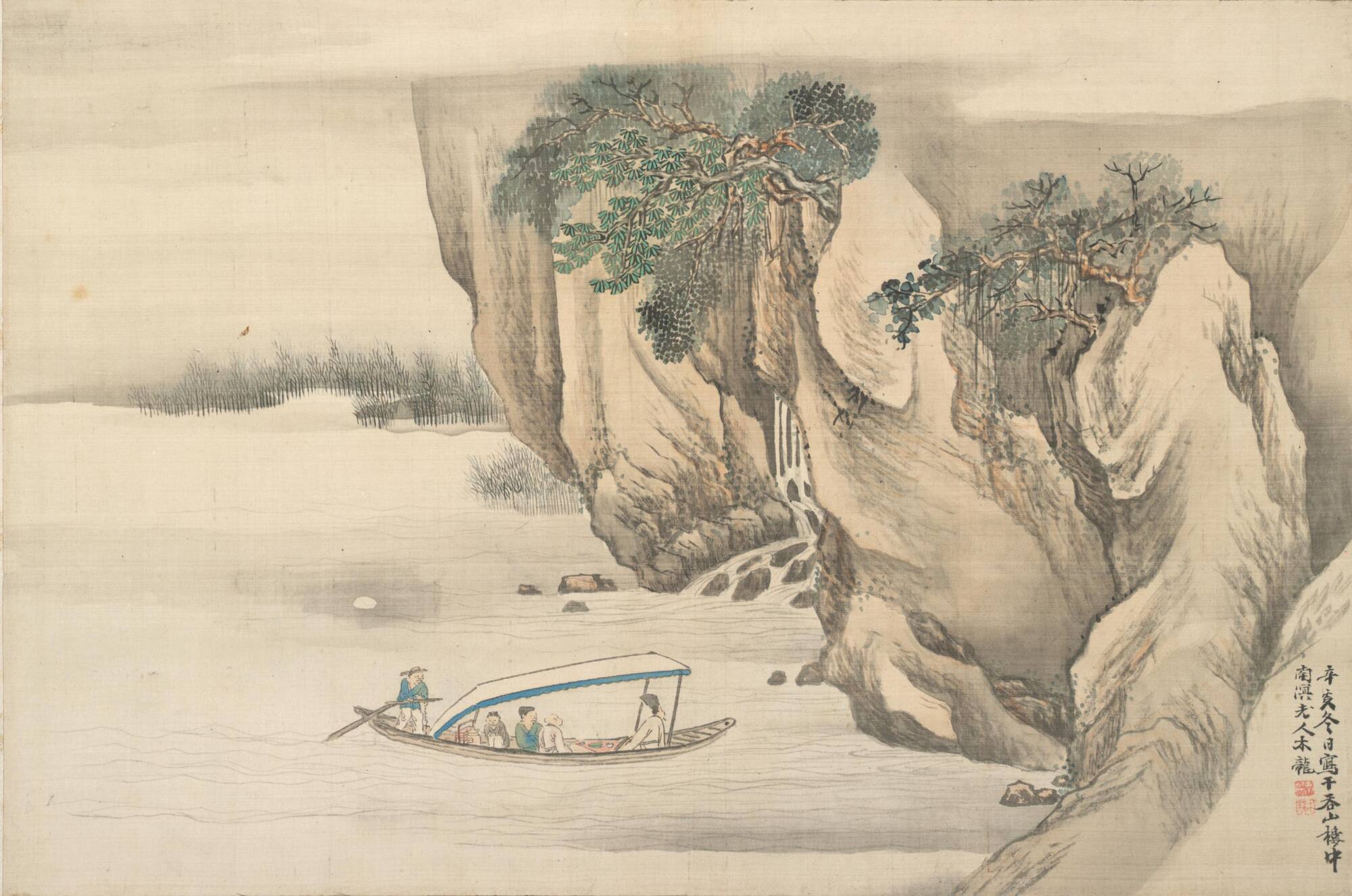
Haruki Nammei

(Japanese, 1795–1878)

The Red Cliff

View All Works

Object Details

Artist

Haruki Nammei

Date

Edo period, 1851

Medium

Hanging scroll: ink and color on silk

Dimensions

12 1/8 x 18 1/4 inches (30.8 x 46.4 cm)

Credit Line

George and Mary Rockwell Collection

Object
Number

78.021

Son of the artist Haruki Nanko (1759–1839) and student of Tani Buncho, Nammei was a Nanga painter (…)

Son of the artist Haruki Nanko (1759–1839) and student of Tani Buncho, Nammei was a Nanga painter of the late Edo and early Meiji periods whose own style was rather eclectic, blending elements of various schools of Japanese painting with some Western influence. Here Nammei depicts a classic Chinese landscape subject that recalls the “Odes to the Red Cliffs,” the eleventh-century poet Su Shi’s series of rhapsodic essays on boating excursions with a few friends to this site on the Yangtze River. Written while he was exiled from government service, the odes convey Su Shi’s introspective thoughts and became a favorite subject of literati artists in China and Japan. The best known Chinese painting on the theme of Red Cliff was painted by Wu Yuanzhi (ca. 1190–1196) of the Jin dynasty, and is now housed in the National Palace Museum, Taipei. (“Tradition, Transmission, and Transformation in East Asian Art,” curated by Cornell PhD student Yuhua Ding under the supervision of Ellen Avril and presented at the Johnson Museum January 23-June 12, 2016)
Create an account

Please take a moment to fill your information to create your account.

Reset Password

Lost your password? Please enter your email address. You will receive mail with link to set new password.

Save Artwork

Save the artwork in any of your exhibitions or create a new one.

You have not made any exhibitions.

Create New Exhibition

Create New Exhibition