

Search

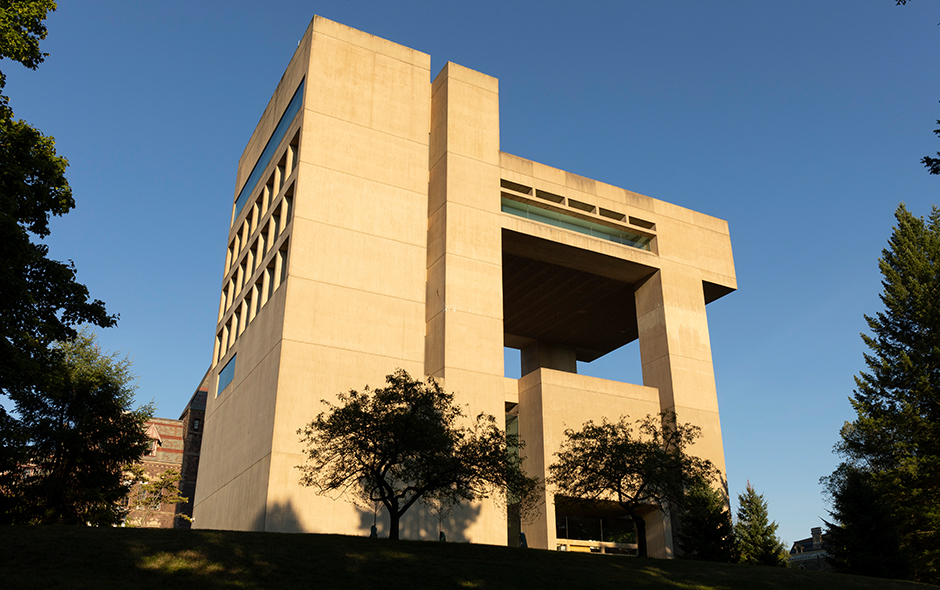
A concrete cantilevered building against blue sky and green landscaping

A large green wall with oil paintings in gold frames above a tiled floor

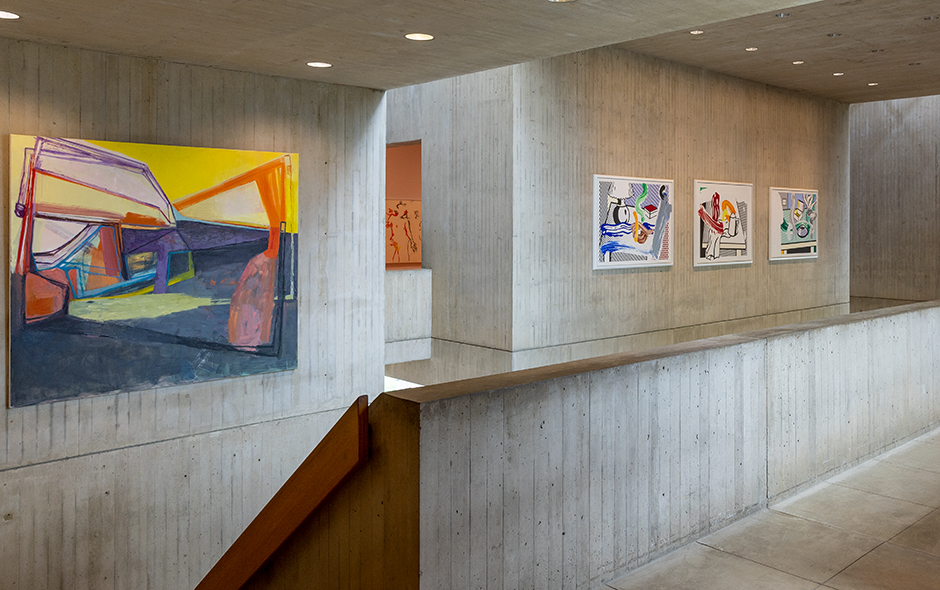
A museum interior space with paintings and concrete walls and stairs

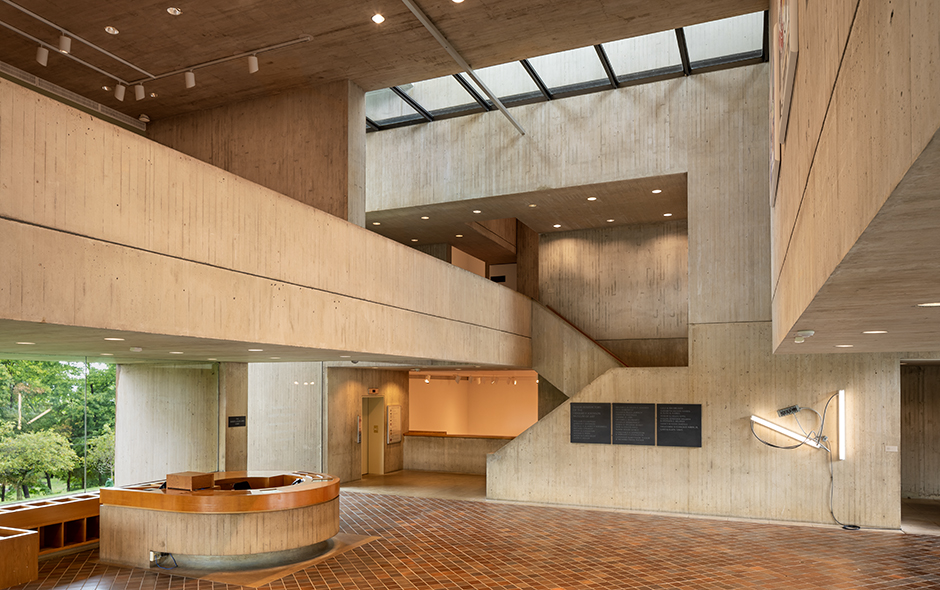
A concrete-walled lobby with windows, a tiled floor, and a circular desk

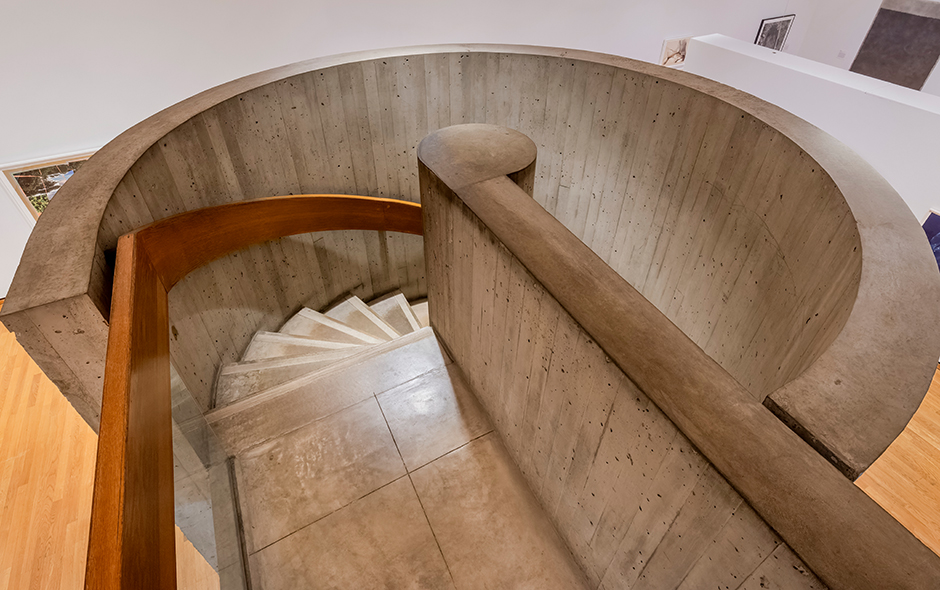
The top of a concrete spiral staircase with a wooden railing

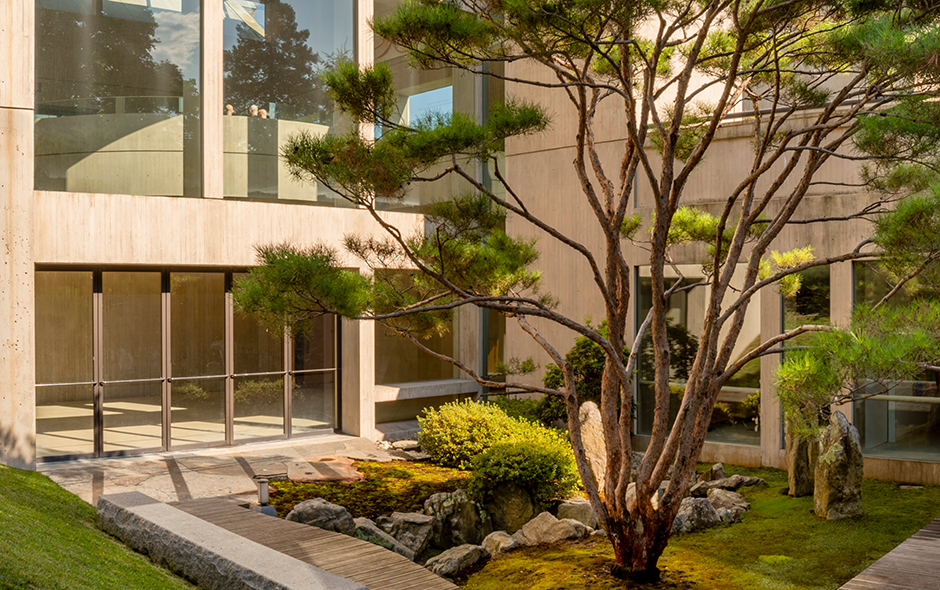
A tall tree is the focal point of a garden in between two concrete buildings

About arrow_back

Admission for everyone is always free! Check here for current hours and more.

A concrete cantilevered building against blue sky and green landscaping

Collections arrow_back

The Johnson Museum holds more than 40,000 works in its collection from around the world.

A large green wall with oil paintings in gold frames above a tiled floor

Exhibitions arrow_back

Check out what’s on view this season at the Museum and look back through our history.

A museum interior space with paintings and concrete walls and stairs

Events arrow_back

Free events for everyone, plus special programs for students, families, and more!

A concrete-walled lobby with windows, a tiled floor, and a circular desk

Learn arrow_back

The Johnson Museum actively contributes to the intellectual life of our campus and community.

The top of a concrete spiral staircase with a wooden railing

Support arrow_back

Help the Johnson Museum continue its legacy by making a gift today.

A tall tree is the focal point of a garden in between two concrete buildings

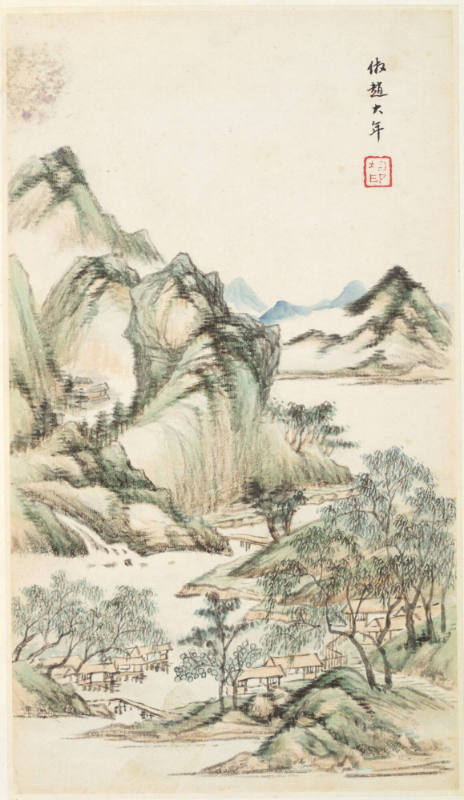
Hirose Daizan

(Japanese, 1752–1813)

Landscape

View All Works

Object Details

Artist

Hirose Daizan

Medium

Hanging scroll: ink and light colors on paper

Dimensions

42 x 18 inches (106.7 x 45.7 cm)

Credit Line

Acquired through the George and Mary Rockwell Fund

Object
Number

75.009.001

Daizan was a native of Mino and served its daimyo in official capacities at Kyoto, Osaka, and Edo. A(…)

Daizan was a native of Mino and served its daimyo in official capacities at Kyoto, Osaka, and Edo. As an artist, he specialized in landscapes modeled after the Chinese scholar-painters of the Ming dynasty; as a poet, musician, and literary scholar, he wrote several books. After retiring, he became a monk and traveled to northern Japan before returning to Tsuyama, where he died at the age of sixty-two.In this confidently executed landscape, influences from Chinese painting are quite obvious. But Nanga painters such as Daizan employed calligraphic qualities in their paintings that were Chinese in principle but also appealed to a strong, native Japanese sense of line. With the absence of strongly receding depths and misty distances, the Chinese elements fade off; and a Japanese feeling for linear and surface composition begin to take over. (“Tradition, Transmission, and Transformation in East Asian Art,” curated by Cornell PhD student Yuhua Ding under the supervision of Ellen Avril and presented at the Johnson Museum January 23-June 12, 2016)
Discover More

Personnages à Cuba

Jules Pascin

Lotus

Gao Qipei

Terra

Cynthia Hazen Polsky

Create an account

Please take a moment to fill your information to create your account.

Reset Password

Lost your password? Please enter your email address. You will receive mail with link to set new password.

Save Artwork

Save the artwork in any of your exhibitions or create a new one.

You have not made any exhibitions.

Create New Exhibition

Create New Exhibition